
Local Governments Step In as Federal Robotaxi Rules Stall

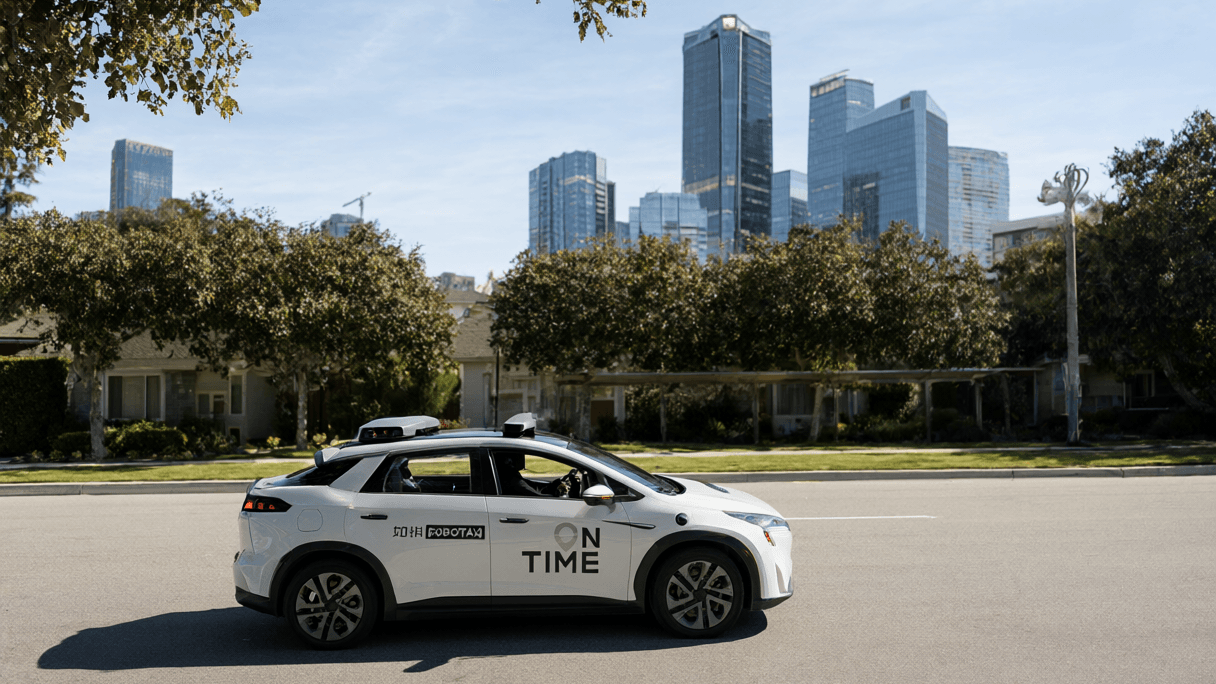
AI-generated image · US National Wire
Cities and states are implementing a patchwork of regulations to manage autonomous vehicle chaos amid congressional gridlock.
With federal legislation for autonomous vehicles remaining stalled in Congress for years, local and state governments are creating their own regulatory playbooks to manage robotaxis, according to reporting from The Verge.
While municipalities cannot control vehicle manufacturing, they are leveraging their authority over street operations to address the unintended consequences of driverless fleets. This has resulted in a fragmented regulatory landscape that industry leaders had hoped to avoid.
Specific local efforts to rein in the technology include:
* **Minneapolis:** Considering an ordinance that would require human monitors inside autonomous vehicles, effectively banning driverless operations. * **San Diego:** The City Council passed a resolution to block Waymo from the airport and grant local agencies direct control over autonomous vehicles during emergencies. * **Austin:** Firefighters have raised concerns regarding the Tesla Cybercab's lack of pedals and a steering wheel, arguing that first responders may struggle to move stalled vehicles. They are calling for direct human operator communications and dedicated rapid-response towing protocols.
The shift is occurring across the political spectrum. While Democrat-led cities like Chicago, New York City, and Washington, DC, have not legalized driverless cars, red states including Iowa, Oklahoma, Kentucky, and South Dakota are also considering tighter restrictions. In California, state lawmakers are weighing bills that would allow cities to restrict operating hours, limit fleet sizes, or implement local permit bans. Proposed emergency protocols in the state would also require companies to provide local fire and police departments with remote shut-off mechanisms or physical override access.