
Hardware Over Hype: Why Inclusive Design is the Real Engine of Clean Tech Scale

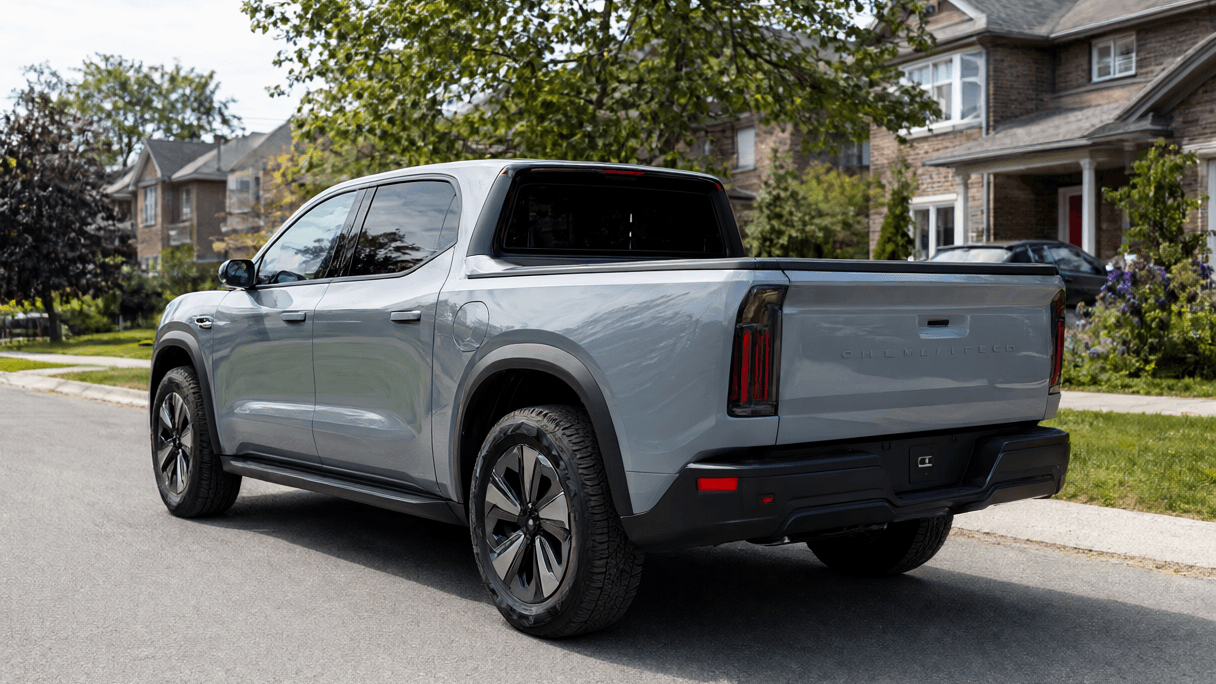
AI-generated image · US National Wire
Opinion: While the industry obsesses over funding rounds, the actual deployment of hardware—like the Slate EV—proves that designing for everyone is a prerequisite for mass adoption.
In the clean tech sector, we spend far too much time tracking venture capital injections and not enough time analyzing the actual hardware hitting the pavement. If you want to know if a technology is truly scaling, stop looking at the pitch decks and start looking at the design philosophy. Specifically, look at whether the product was built for a narrow, traditional demographic or if it was designed with inclusive, female-led perspectives from the start.
For too long, the 'default' user in hardware has been male, with women's versions often being mere scaled-down iterations of a man's product. But as we push for a global energy transition, that lack of imagination is a bottleneck. To reach the masses, clean tech cannot be a 'compromise' or a niche luxury; it has to be approachable and functional for the entire population.
Take, for example, the work of Tisha Johnson, the head of design at EV-maker Slate. As first reported by Wired, Johnson is a rarity in the automotive world—a woman shaping the entire look of a vehicle rather than just the interiors. Her approach to the Slate pickup truck is a masterclass in pragmatic deployment. Rather than leaning into the 'macho' aesthetic of 'beast' trucks or 'arrowed surfacing,' Johnson opted for approachable round headlamps and a modular, add-on-friendly design.
The result isn't just a design award; it is a product that is actually moving. The Slate pickup starts at just under $25,000—making it the cheapest pickup currently on sale in the U.S., regardless of whether it is electric or not. More importantly, the market is responding. Wired reports that Slate has secured some 180,000 reservations. This is the proof of concept that matters: when you strip away the aggressive, gendered tropes of automotive design and prioritize accessibility and affection, you unlock a massive segment of the market.
This pattern of 'inclusive-first' design driving performance is visible across other hardware sectors. In the world of high-performance gear, Jelenew co-founder and six-time cycling world champion Marion Clignet developed windproof shells shaped around women's proportions rather than simply scaling down men's clothing. Similarly, principal product-development engineer Michelle Penney led the development of the TaylorMade Kalea Gold Driver, utilizing a women's advisory board and female employees to account for specific swing profiles.
These aren't just 'pink it and shrink it' products. They are engineered solutions that solve specific friction points. When hardware is designed for the actual human using it—whether it is a 44-inch driver from TaylorMade or a recycled nylon jacket from Jelenew—the product becomes more efficient and more scalable.
If we want clean tech to move from early-adopter curiosity to universal infrastructure, we need more leaders like Tisha Johnson. We need to stop treating inclusive design as a secondary 'diversity' goal and start recognizing it as a fundamental requirement for deployment. The 180,000 people waiting for a Slate truck aren't buying a 'women's car'; they are buying a vehicle designed to be loved by everyone. That is how you scale a revolution.