
Beyond the Neon: 'Neuromancer' as the Ultimate Cyberpunk Litmus Test

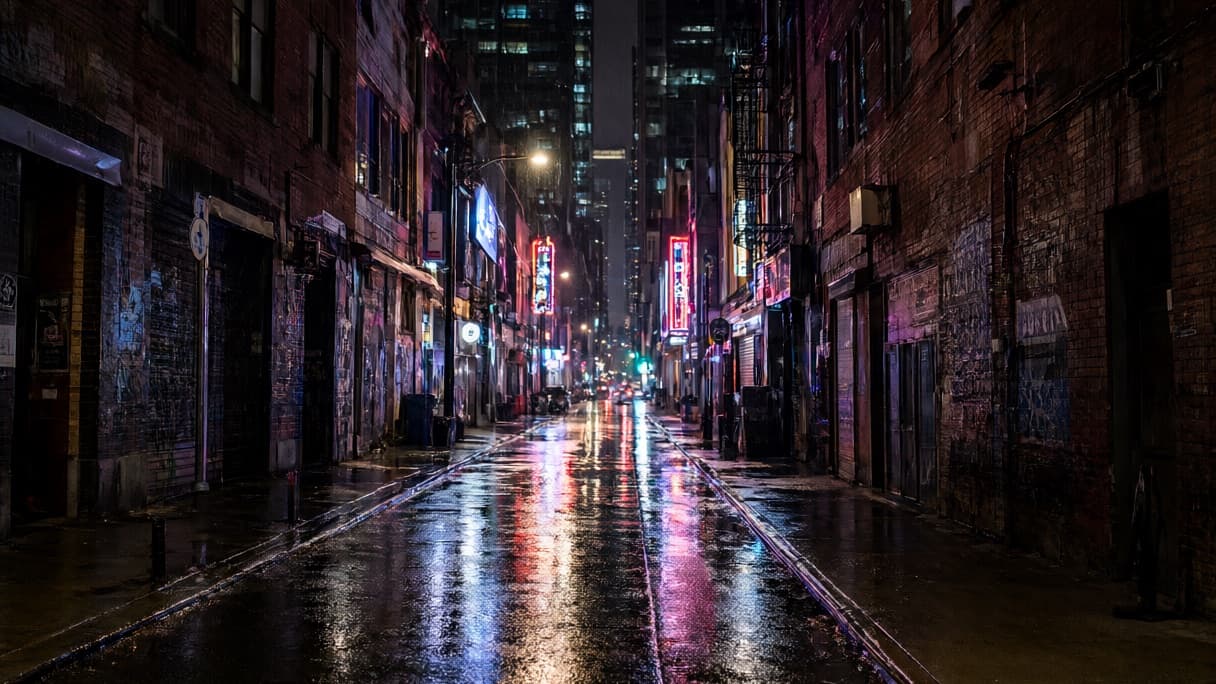
AI-generated image · US National Wire
As Apple TV prepares to adapt William Gibson's seminal 1984 novel, the series faces the challenge of evolving a visual language that defined the genre decades ago.
When William Gibson released *Neuromancer* in 1984, he wasn't just writing a story about a computer jockey named Case; he was sketching the blueprint for an entire aesthetic. From brain-computer interfaces to the concept of cyberspace, Gibson's vision predated the mainstream reality of these technologies. Now, as Apple TV prepares to release its adaptation on January 22—a project Wired first reported on in an exclusive look—the series serves as a critical litmus test: can the 'cyberpunk' look evolve past the tropes Gibson himself helped create?
For decades, the visual shorthand for cyberpunk has been rooted in the 'neon-and-chrome' style seen in films like *Blade Runner* and *The Fifth Element*—works that actor Callum Turner, who plays Case, cites as touchstones for the epic scale of the series. The challenge for showrunners Graham Roland and JD Dillard is to translate a 'white whale' of sci-fi into a modern visual language without simply mimicking the past.
According to reporting from *Wired*, the production sought to create a distinct atmosphere. Briana Middleton, who portrays the 'razorgirl' Molly, described the filming process as existing in a 'little bubble' with a specifically created world, noting that she occasionally had to ignore the immense external expectations surrounding the book's legacy to focus on the characters.
Interestingly, the path to the screen was as serendipitous as a 'glitch.' *Wired* reports that the rights became available through Skydance, leading Roland and Dillard to partner on the project. The production also involves a unique collaboration with Drake, who serves as a producer through his production company, DreamCrew. Dillard notes that Jason Shrier, who leads film and TV for DreamCrew, helped facilitate the partnership between DreamCrew, Skydance, and the entertainment company Anonymous Content.
Perhaps the most liberating factor for the creative team is Gibson's own stance on the adaptation. Roland told *Wired* that Gibson acted as the final arbiter for who would receive the rights and explicitly informed the team that he was not expecting a 'literal translation' of his original text.
By granting the creators permission to deviate from the page, Gibson has effectively challenged them to redefine the very aesthetic he pioneered. Whether the series can break free from the retro-futurism of the 1980s to offer something truly new will determine if *Neuromancer* is merely a nostalgic exercise or a genuine evolution of the genre.