
The Hardware Surrender: Microsoft's Pivot to a Platform-Agnostic Future

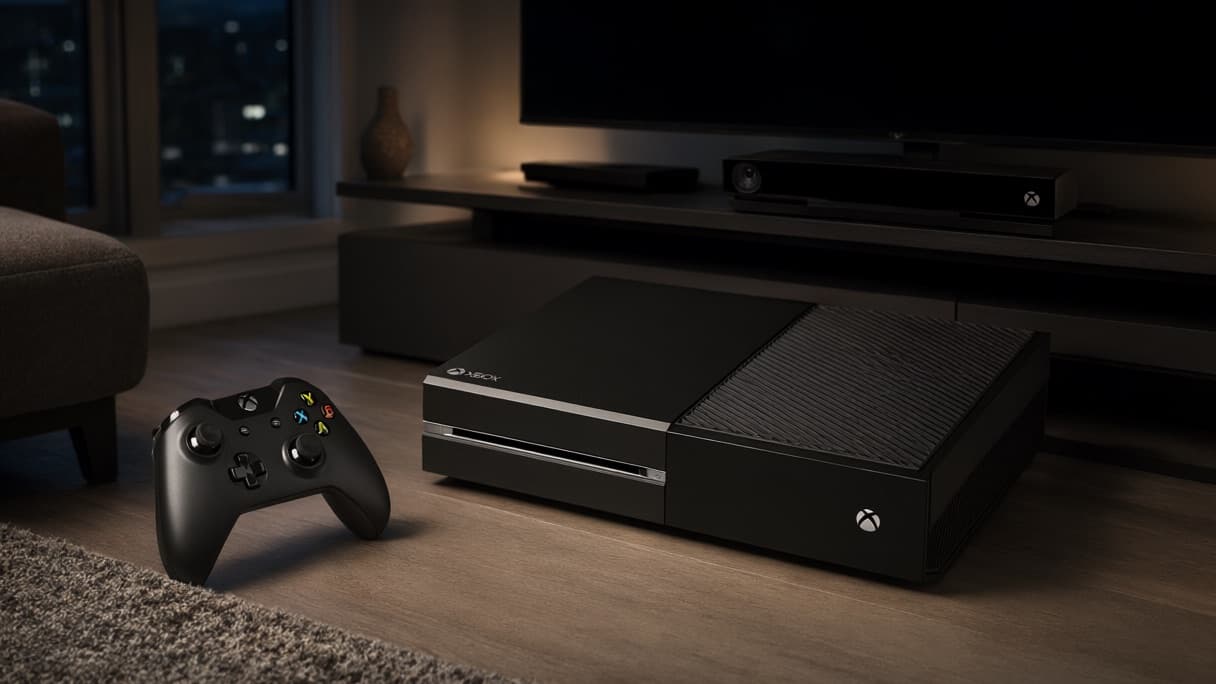
AI-generated image · US National Wire
After 25 years of chasing hardware dominance, Microsoft is trading the console war for an ecosystem play.
For a quarter-century, Microsoft's gaming strategy was defined by a desire to disrupt the established order. As The Verge first reported, the original Xbox launched on November 15, 2001, as a direct response to the threat of Sony placing a PC in the living room. By leveraging familiar PC technology—including an Nvidia GPU and a custom Intel Pentium III processor—Microsoft sought to lure developers away from the custom architectures favored by Sony and Nintendo.
In my view, the current state of the Xbox brand represents a necessary admission: the traditional "console war" is a dead metaphor. Microsoft is no longer fighting for the center of the living room; it is fighting for the player, regardless of where they sit.
Historically, Microsoft's successes came from identifying technical shifts before the competition. The Verge notes that while other consoles used modems, Microsoft included an Ethernet port to anticipate the broadband era, leading to the 2002 launch of Xbox Live. This service fundamentally altered multiplayer gaming through integrated services, voice chat, and unique gamertags. Even the Xbox 360 expanded this vision, evolving the console into a living room entertainment hub with streaming apps and digital downloads.
However, this ambition often led to strategic blindness. The Verge highlights the Xbox One as a primary example of Microsoft losing sight of the gamer. By prioritizing TV and entertainment over gaming, and bundling the Kinect sensor—which drove the price $100 higher than Sony's PlayStation 4—Microsoft suffered a generation of playing catch-up in sales.
This failure forced a radical pivot toward services. The 2017 introduction of Xbox Game Pass shifted the economic model from individual purchases to a subscription service. To fuel this engine, Microsoft embarked on an acquisition spree that included several unnamed smaller studios, Bethesda and Activision Blizzard. Yet, as The Verge reports, the economics of day-one first-party releases on Game Pass remain an open question, and Microsoft has ceased regularly disclosing subscriber counts, obscuring the service's actual growth.
Today, the hardware battle seems decisively lost. The Verge reports that the Xbox Series X and S, launched in 2020, trail significantly behind the sales of Sony's PS5. In response, Microsoft is attempting a messy transition toward becoming a platform-agnostic entity. Between the push for Xbox Cloud Gaming—designed to bring titles to phones and tablets—and the effort to bring Xbox games to Nintendo and PS5 hardware, the company is effectively dismantling its own walled garden.
Microsoft is currently caught in a strategic identity crisis, as The Verge puts it, undecided if it wants to be an ecosystem owner or a full third-party publisher. But this ambiguity is the point. By abandoning the requirement that a user must own a piece of black-and-green plastic to experience its games, Microsoft is finally acknowledging that the platform is the product, not the box.