
Apple Enters First-Party Smart Home Hardware Market

AI-generated image · US National Wire
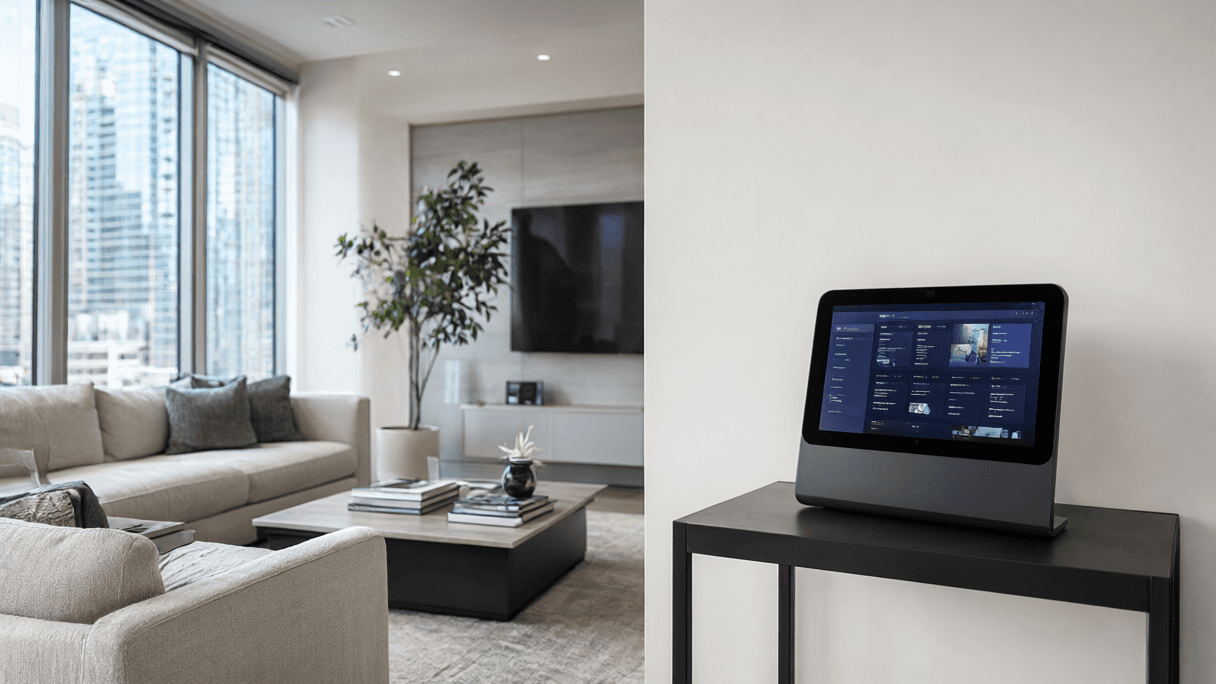
The launch of the Apple Home Collection and HomeView smart display marks a shift toward a curated, integrated ecosystem developed with LG and Schneider Electric.
Apple has pivoted from a strategy of relying on third-party developers to launching its own proprietary hardware for the smart home, as The Verge first reported. At its "Welcome Home" event in New York, the company introduced the Apple Home Collection, a suite of devices including sensors, thermostats, cameras, a video doorbell, and a smart door lock. According to reporting from The Verge, these products were codeveloped with Schneider Electric and LG Electronics.
Central to this expansion is the debut of HomeView, Apple's first smart display. Kaiann Drance, Apple's vice president of product marketing for home, told The Verge that the development of HomeView was made possible by two primary technological catalysts: the Matter interoperable open smart home standard and advancements in AI, which enabled a more conversational version of the Siri voice assistant.
From a strategic standpoint, Apple is positioning HomeView as a gateway device. Drance indicated that once users adopt a single device for tasks such as calendar management, guided cooking, or music, they are more likely to expand their ecosystem to include other Home Collection hardware like smart locks or cameras. This represents a shift from the previous "buffet" approach of the HomeKit era, where users selected various compatible brands, to a more curated, "chef's choice" model of integrated hardware.
Apple is leveraging its brand loyalty and a pitch centered on data privacy, one-app control, and one-tap setup to drive adoption. However, the company is not competing on price; The Verge reports that the new product lineup starts at $200. This premium pricing strategy arrives at a time when research from Parks Associates suggests that cost, complexity, and security concerns remain significant barriers to smart home adoption. Elizabeth Parks, president and CMO at Parks Associates, noted that Apple's existing large and loyal user base provides a significant advantage as the company attempts to convince consumers of the value of a fully integrated smart home.