
Volvo's Nvidia Expansion: The High Cost of Full-Stack Integration

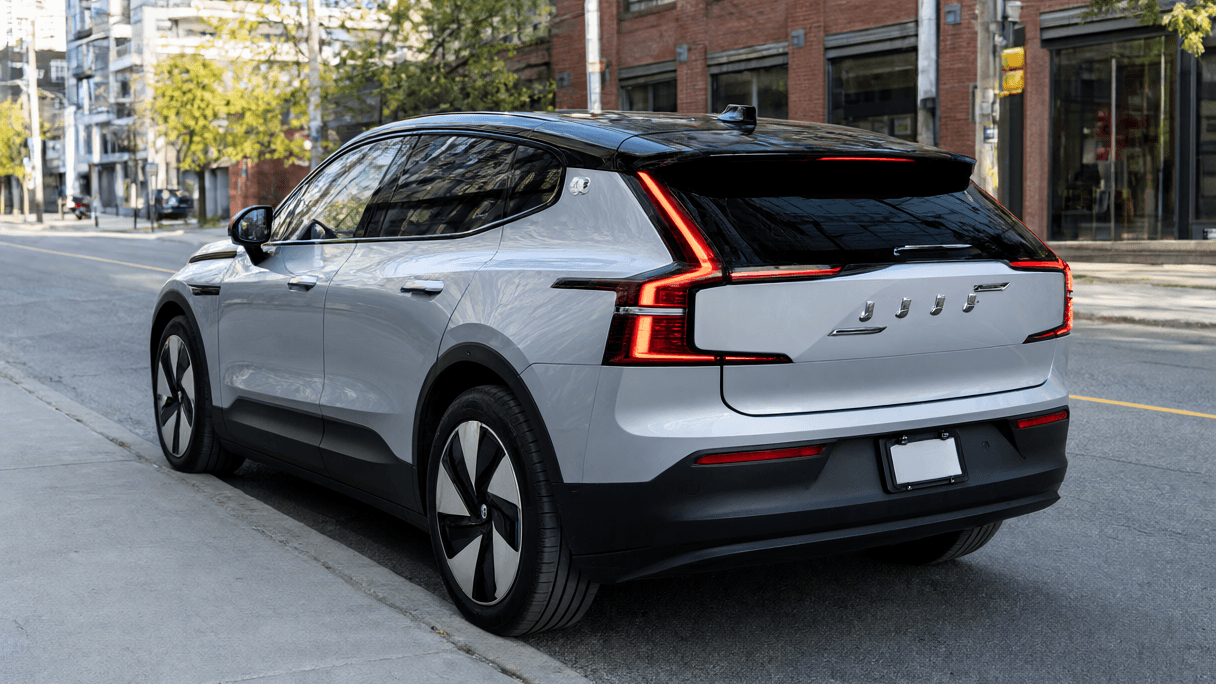
AI-generated image · US National Wire
By moving beyond the Orin chip to a comprehensive hardware and software architecture, Volvo is trading supplier flexibility for a unified tech stack.
For years, the automotive industry operated on a fragmented supplier model, where OEMs sourced disparate components from various vendors to build a vehicle. As TechCrunch first reported, Volvo is explicitly abandoning that legacy approach in favor of becoming a "full tech stack company."
While Volvo has already utilized Nvidia's Orin computer chip across its battery-electric vehicle lineup to process sensor data and driving decisions, a newly expanded partnership signals a deeper level of integration. Volvo is now committing to three specific Nvidia components: the Hyperion sensor and compute architecture, the Alpamayo driving software stack, and the Halos safety evaluation layer.
From a deals perspective, this is no longer a simple component procurement agreement; it is a structural lock-in. Alwin Bakkenes, Volvo's head of software development, told TechCrunch that the company intends to standardize further on Hyperion, specifically from a sensor set perspective, to expand the partnership. This move indicates a shift toward a proprietary ecosystem where the hardware and software are inextricably linked.
Ali Kani, head of Nvidia's automotive division, describes the Alpamayo stack as a redundant system that pairs AI models, datasets, and simulation tools with classical software utilizing camera and radar perception. Kani notes that running these two stacks simultaneously with multimodal sensors creates a safer product. While this integration may accelerate the deployment of automated driving systems capable of navigating highways and urban streets, it complicates future vendor diversification. By standardizing on Hyperion and Alpamayo, Volvo reduces its ability to swap individual components without disrupting the entire system architecture.
Volvo has not disclosed the financial value of the deal, nor has it named the specific vehicle model that will first feature the stack. However, Bakkenes indicated to TechCrunch that the technology will be applied across electric vehicles, plug-in hybrids, and gas-powered vehicles, with the first new vehicle debuting within the decade.
**Owen's Take:** In the race to achieve autonomy, the efficiency of a unified stack often outweighs the risk of vendor dependency. However, by migrating away from the "car-line based development" Bakkenes described, Volvo is betting that Nvidia's roadmap will remain the industry gold standard. Any future pivot to a different provider would likely require a total architectural overhaul rather than a simple part swap.