
AI Capex Surge Faces Monetization Wall

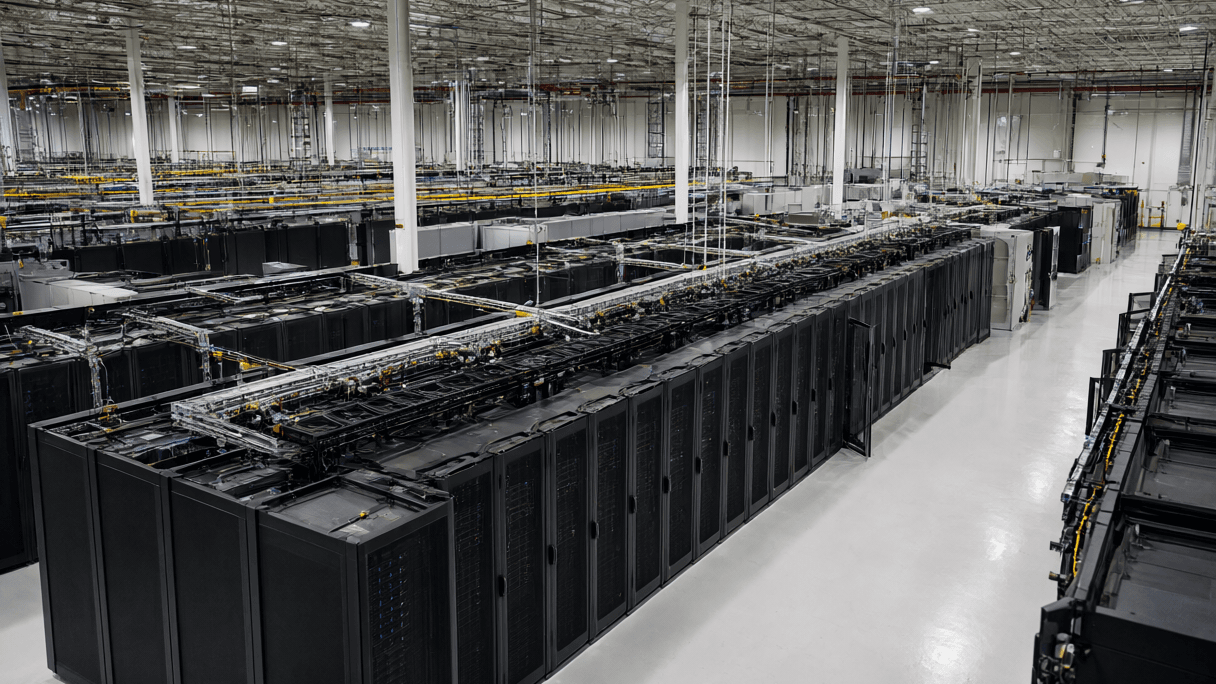
AI-generated image · US National Wire
Rising infrastructure costs and AI-driven product cloning threaten the revenue streams of big tech firms.
The massive capital expenditure required to sustain the AI revolution is colliding with a lack of clear monetization, creating a precarious financial outlook for the industry, as first reported by The Register. According to that reporting, Gartner indicates there is currently insufficient return on investment to drive the projected growth of the sector.
Financial pressures are mounting as AI's disruptive capabilities begin to erode the very revenue streams that fund its development. The Register reports that an industrious individual has released source code and binaries for Claude-copied versions of Adobe Creative Suite and Microsoft Office, which could eliminate the lock-in advantages these companies previously enjoyed. Furthermore, internal emails from Microsoft and OpenAI acknowledge a "doom loop" where AI siphons away the ad revenue that supports the content and data the models rely upon for training.
Funding the necessary infrastructure remains a primary concern. A SemiAnalysis podcast predicts total capex could reach $11 trillion by 2030. To enable this spending, some firms have turned to "balance sheet as a service," a practice where investment-rated companies—including Nvidia—backstop startups by guaranteeing to rent unsold capacity at fixed prices to attract further investment.
Additional market pressures include competition from efficient, low-cost Chinese models and the volatility of compute asset values. The Register notes that while older datacenter chips are currently maintaining high revenue capabilities, the overall market is defined by factors that are difficult for institutional investors to model, leaving the question of how to fund AI's promises unanswered.