
xAI Pollution Lawsuit Signals Regulatory Headwinds for AI Infrastructure

AI-generated image · US National Wire
A federal judge's refusal to dismiss a Clean Air Act suit against xAI highlights growing legal and permitting risks for data center expansion.
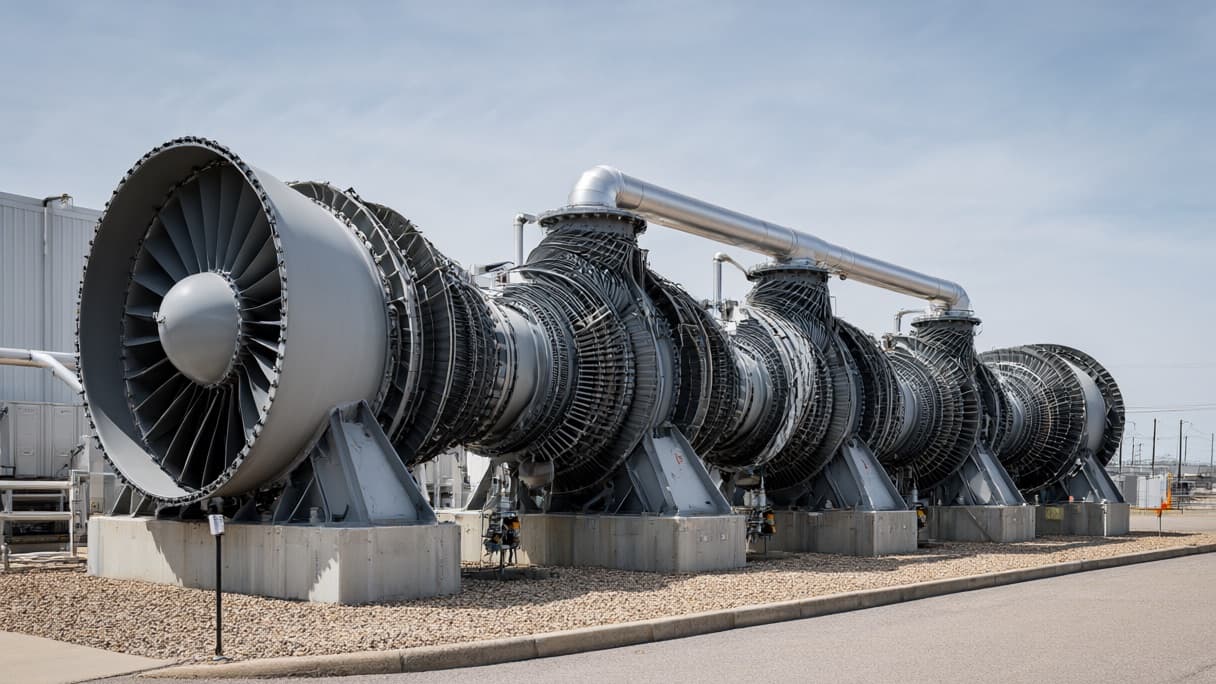
A federal judge has denied a motion to dismiss a lawsuit filed by the NAACP against xAI, the company owned by SpaceX. The lawsuit alleges that xAI operated at least 35 combustion turbines and other air pollution sources at its Colossus data center near Memphis without securing the required operating or preconstruction air permits, violating the Clean Air Act, according to reporting from TechCrunch.
xAI argued that the turbines should be exempt from permitting because they are mobile and contended that the plaintiffs lacked standing to sue. However, Judge Debra M. Brown ruled that the turbines are not considered "mobile sources" under Mississippi's State Implementation Plan and that the plaintiffs possess statutory standing under the Clean Air Act. Judge Brown further rejected xAI's claim that citizen lawsuits of this nature are unconstitutional.
The legal challenge arrives as broader regulatory pressure on the sector intensifies. TechCrunch reports that New York recently implemented a moratorium on new data centers, while other local and state governments are weighing similar restrictions. This shifting environment has already led Microsoft and Amazon to pledge to end the use of NDAs in government dealings.
For the AI industry, the xAI case introduces a tangible regulatory risk. The inability to bypass permitting requirements for critical power infrastructure could complicate future site acquisitions and increase the cost of scaling physical AI capacity. Abre’ Connor, the NAACP’s director of environmental and climate justice, characterized the ruling as a victory in holding xAI accountable, stating the company cannot operate gas turbines without the necessary permits.