
The Zoning Wake-Up Call: Why Retailers Can't Ignore the Data Center Ballot

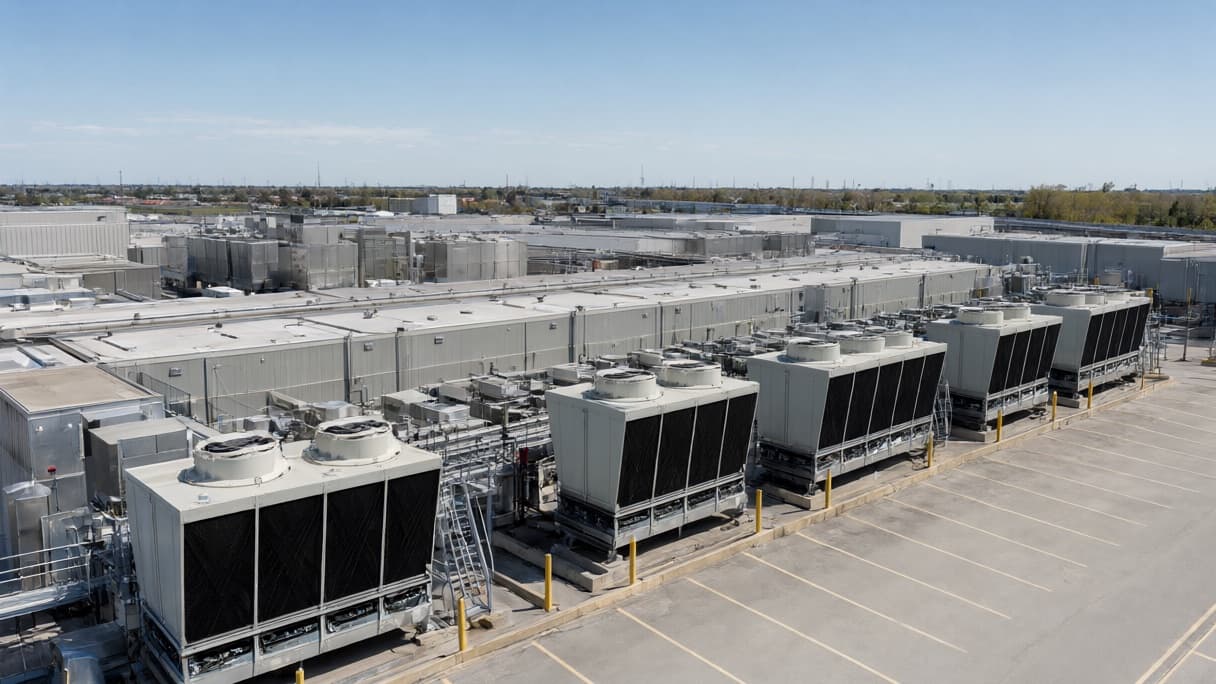
AI-generated image · US National Wire
Recent midterm election results signal a shift toward stricter data center regulations, threatening the infrastructure pipelines that power modern e-commerce.
For years, the physical infrastructure supporting the digital storefront—the massive data centers powering AI and cloud logistics—has been treated by retail operators as a background utility. However, as TechCrunch first reported, the results of the recent U.S. midterm elections suggest that the 'where' and 'how' of data center development are becoming central political battlegrounds.
According to reporting from TechCrunch, voters weighed in on 41 data center-related ballot measures this past Tuesday. The results were stark: in all but one of those measures, the majority voted to implement more restrictions on data center development.
**Opinion:** From a commerce operator's perspective, this is a flashing red light. Retailers and e-commerce hubs rely on the rapid scalability of data centers to fuel everything from personalized AI shopping experiences to real-time inventory management. If local governments begin aggressively throttling the expansion of these facilities, the resulting infrastructure bottlenecks will not just be a tech problem—they will be a fulfillment and growth problem. We need to stop treating zoning as a footnote and start integrating these local political shifts into long-term site strategies.
The shift isn't limited to the ballot box. TechCrunch reports that newly elected Democratic governors and members of Congress are likely to support further regulation of the industry. The political climate is shifting toward increased government scrutiny of Big Tech, creating a regulatory environment that could slow the deployment of the very hardware required to sustain the AI boom.
Industry players are already feeling the pressure. TechCrunch notes that OpenAI is currently attempting to rebrand the concept of data centers, likely in an effort to mitigate the public and political backlash associated with these massive installations.
As retail leaders plan their next decade of infrastructure, the lesson from these midterms is clear: the path to digital scale now runs through local zoning boards and ballot initiatives. Ignoring the grassroots opposition to data center growth is a risk that e-commerce leaders can no longer afford to take.