
The Vertical Integration of the Clip Economy: Instagram's Long-Form Pivot
AI-generated image · US National Wire
By merging short-form discovery with horizontal, long-form streaming, Meta is attempting to capture the entire creator-to-viewer funnel and dismantle the YouTube-centric podcast model.
For years, the creator economy has operated on a fragmented funnel. A viewer discovers a creator via a viral, vertical clip on a social feed, and if the hook is strong enough, they migrate to a separate platform—typically YouTube—to consume the full-length episode. This friction is where Instagram is now placing its bets.
As Wired first reported, Instagram is expanding tests in the U.S. that allow creators to upload long-form content lasting up to 90 minutes. Crucially, this update allows for a shift in video orientation to horizontal, a direct attempt to solve the usability failures of the company's previous venture, IGTV. Launched in 2018, IGTV was eventually discontinued by Meta, failing in part because it restricted users to vertical videos, leaving viewers unable to flip their screens for a more cinematic experience, according to Wired.
From a monetization and retention standpoint, Instagram isn't just adding a feature; it is attempting to vertically integrate the 'clip economy.' Tessa Lyons, vice president of product at Instagram, told Wired that the company believes entertainment and creativity are not restricted to three-minute videos. The goal, as Lyons puts it, is to establish the "best place for social entertainment."
***
**Opinion: The Battle for the Living Room**
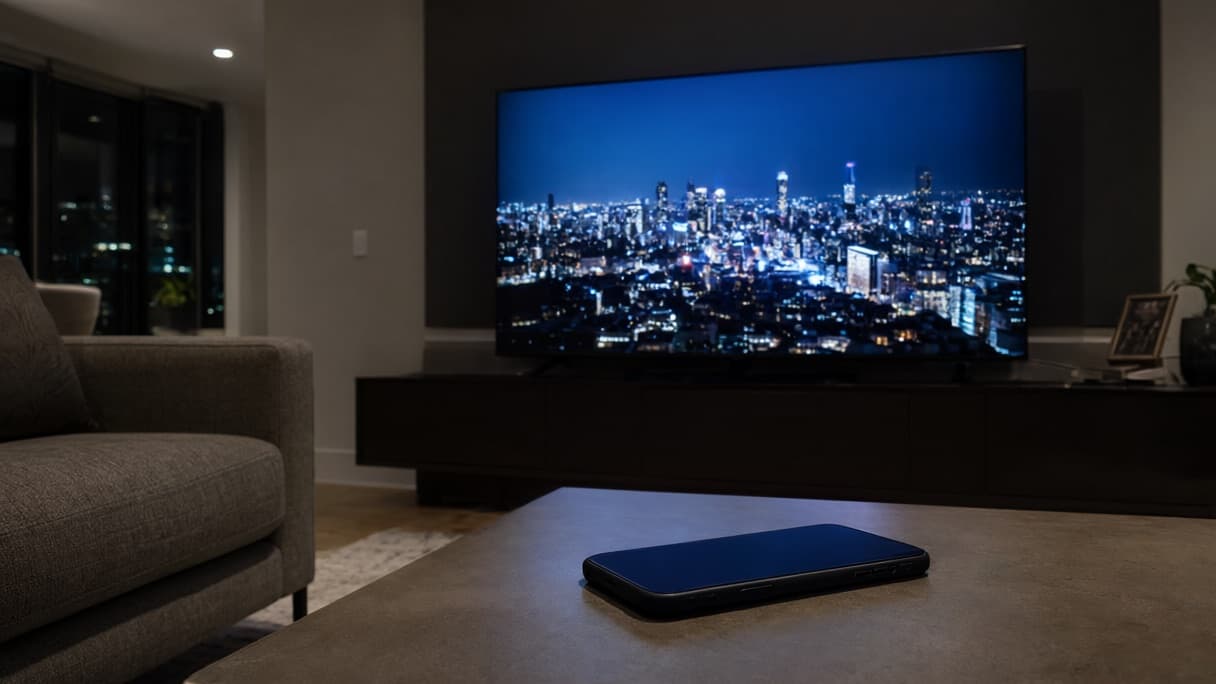
*In my view, this is a calculated strike against YouTube's dominance of the TV screen. By transforming the smartphone into a remote and introducing a 'Friends' tab to show connections what others are watching, Instagram is trying to make long-form consumption a social act rather than a solitary one. If they can successfully link a viral Reel to a 90-minute horizontal episode within the same ecosystem, they remove the 'migration tax' creators currently pay when trying to move an audience from a social app to a streaming platform.*
***
To facilitate this, Instagram is introducing a mechanism to link short clips directly back to full-length videos. This creates a seamless loop: a user discovers a snippet through the algorithm and can immediately transition to the full content without leaving the app. Wired notes that this is particularly relevant for the current trend of podcast clipping—where creators record long-form conversations specifically to carve out viral moments for social media.
Furthermore, Instagram is expanding creator tools to turn Reels into episodic content through a feature called "Series." According to Lyons, the objective is to track viewer behavior—such as a user enjoying a third episode—to ensure the fourth episode is served to them immediately upon release. This shift toward episodic, serialized content is being tested for TV viewing as well, signaling a move away from the ephemeral nature of social feeds toward the structured retention of streaming services.
Lyons acknowledges the design challenge inherent in this pivot, noting to Wired that while short-form content thrives in vertical formats, long-form content is best suited for horizontal viewing. The strategic solution is a bifurcated user experience: mobile serves as the discovery engine for short-form clips, while the TV becomes the destination for the long-form, horizontal experience.
By centralizing this journey, Instagram is positioning itself as the sole proprietor of the viewer's attention, from the initial three-second hook to the 90-minute deep dive.