
The UNM Outage is a Warning: Healthcare's Digital Veneer is Cracking

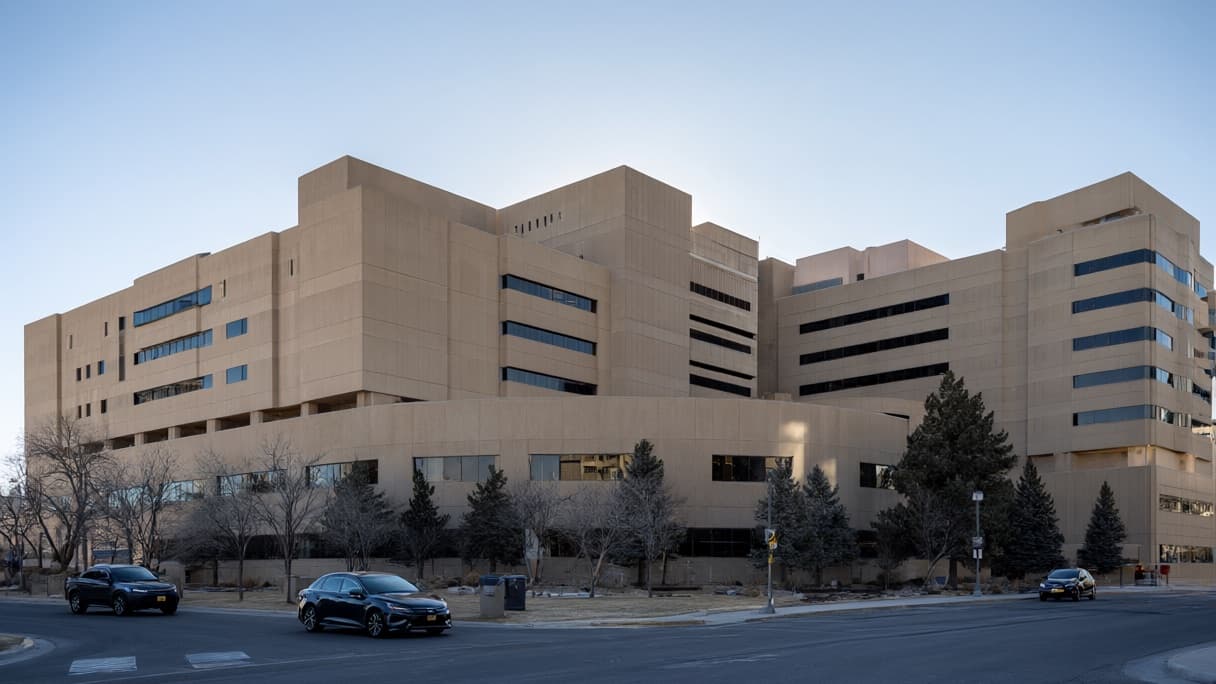
AI-generated image · US National Wire
Opinion: The recent cyberattack on the University of New Mexico Health Sciences Center exposes the dangerous fragility of critical infrastructure despite years of modernization promises.
For years, the health tech industry has promised a 'digital transformation' that would make healthcare more efficient and resilient. But as the recent chaos at the University of New Mexico (UNM) demonstrates—as The Register first reported—we haven't built resilience; we've simply digitized our vulnerabilities.
According to reporting from *The Register*, a 'cybersecurity event' struck the UNM Health Sciences Center on Monday, Oct. 26, 2026. The fallout was immediate and systemic. The university was forced to shut down systems, cancel clinics, and divert ambulances to other facilities in Santa Fe and Albuquerque. Classes across the pharmacy, nursing, and medicine faculties were canceled for two consecutive days.
This is the reality of our current infrastructure: a single security breach can effectively paralyze a regional healthcare hub. While UNM leadership activated an Emergency Operations Center and engaged state and federal law enforcement, the initial impact was a total operational collapse. The fact that ambulances—the literal lifeline of emergency medicine—had to be diverted is a textbook example of how fragile these systems remain.
Adding to the volatility is the opportunistic nature of the attackers. *The Register* reports that a group calling itself BYOD claimed responsibility for the attack. While the university has not confirmed the nature of the breach, BYOD alleges a massive compromise, claiming they hit two Oracle databases, both Active Directory forests, and 36,000 machines. The group further claims to have accessed internal emails and the personal data of every employee and student.
Whether BYOD's claims are entirely accurate is debatable—*The Register* rightly notes that a cybercriminal's word is rarely trustworthy—but the mere fact that such a claim can be leveraged against a university health system highlights a systemic weakness. We see a pattern of volatility here; BYOD previously claimed a breach of Trump Mobile, a claim that *The Register* notes appeared to hold up, following a separate breach claim by a group called EndZone.
When critical care depends on networks that can be neutralized in an afternoon, the 'transformation' has failed. We are seeing a dangerous gap between the complexity of the software being deployed in hospitals and the actual robustness of the security guarding it.
UNM has since resumed hospital appointments and clinics, though nonessential staff were asked to stay home as recovery continues in phases. But the damage is done. This wasn't just a technical glitch; it was a failure of critical infrastructure. Until we stop treating cybersecurity as a peripheral IT concern and start treating it as a fundamental requirement for patient safety, we will continue to see these catastrophic failures.