
The Texas Gamble: Why Houston is the Only Logical Move for the NHL

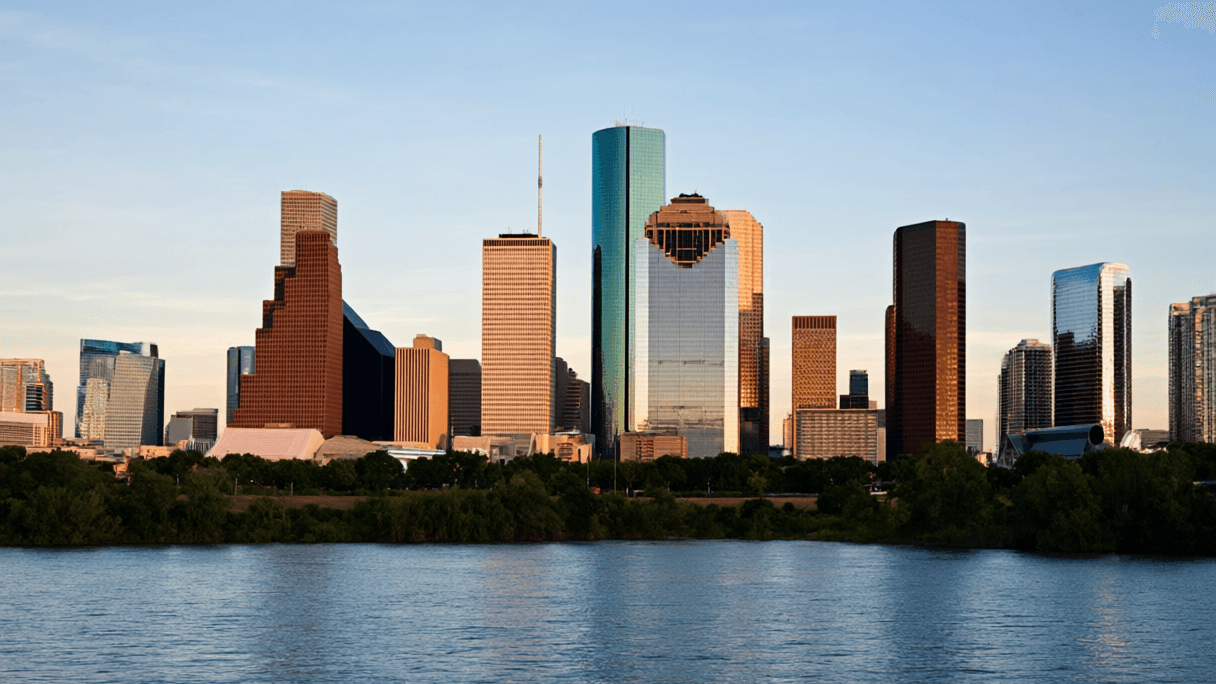
AI-generated image · US National Wire
Opinion: With the league scouting arena sites, the NHL is playing a high-stakes game of chicken with the Texas market—but skipping Houston for Austin would be a strategic blunder.
The NHL is currently staring down a crossroads in the Lone Star State, and if the league wants to actually scale its footprint in the Central Division, there is only one viable path forward. As Sports Illustrated first reported, the league has spent months weighing the merits of two different Texas cities, but recent signals coming out of the Board of Governors (BOG) meetings suggest the NHL is finally leaning toward the only choice that makes sense: Houston.
Let's be clear: this is a matter of scale. According to reporting from Sports Illustrated, Houston is ranked as the No. 6 media market across the U.S. In contrast, Austin clocks in at No. 32 on the 2025-26 TVB/Nielsen table. To consider Austin as a peer to Houston in terms of market reach is a fantasy. As Houston Mayor John Whitmire told Sports Illustrated, "Austin is a great city, but it's not Houston."
The league is playing a dangerous game of chicken by keeping both cities in the conversation, but the momentum has shifted decisively. Following the Sept. 22 BOG meeting, Deputy Commissioner Bill Daly and Commissioner Gary Bettman revealed that efforts to scout arena locations are already underway in Houston. Daly specifically noted that the prospective ownership group has already focused on a number of sites.
That ownership group—the Friedkin family, led by CEO of The Friedkin Group Dan Friedkin (via Pursuit Sports)—is bringing a level of financial commitment that is hard to ignore. Sports Illustrated reports the Friedkins have agreed to an approximate $3.5 billion investment, covering both the expansion fee and the construction of a new state-of-the-art arena.
From a logistical standpoint, Houston is the path of least resistance. Commissioner Bettman disclosed in June that any Texas expansion would require a new arena. Because Houston lacks traditional land-use zoning—making it the largest U.S. city without a formal zoning code—the construction of a new arena and practice facility would likely be expedited.
There has been internal friction regarding this move. While BOG Chairman Jeremy M. Jacobs (who recently retired after 19 years) and Governor Geoff Hoffman were reportedly big advocates for Houston, Governor Ryan Smith of the Utah Mammoth reportedly preferred Austin. However, the numbers don't lie, and neither does the local political support. Mayor Whitmire has officially backed the move, asserting that the NHL would "never regret" granting a franchise to Houston.
Adding a 33rd team to the Central Division—which already includes the Dallas Stars, Colorado Avalanche, Minnesota Wild, Utah Mammoth, St. Louis Blues, Nashville Predators, Winnipeg Jets, and Chicago Blackhawks—will create scheduling headaches. As the league moves toward an 84-game regular season for 2026-27, adding a ninth team to the Central will force a substantial rework of the schedule. But these are short-term growing pains for a long-term market win.
Deputy Commissioner Bill Daly has indicated on The Sick Podcast that the expectation is to have a team in play by the 2029-30 season. With the evaluation period ending in December—when Dan Friedkin is expected to present his official plan to the BOG—the league has a choice: play it safe with a smaller market or go big in the sixth-largest media market in the country. If the NHL wants to truly conquer Texas, they can't afford to ignore Houston.