
The Sync Gap: Why Aligned Audio is a Missed Revenue Stream

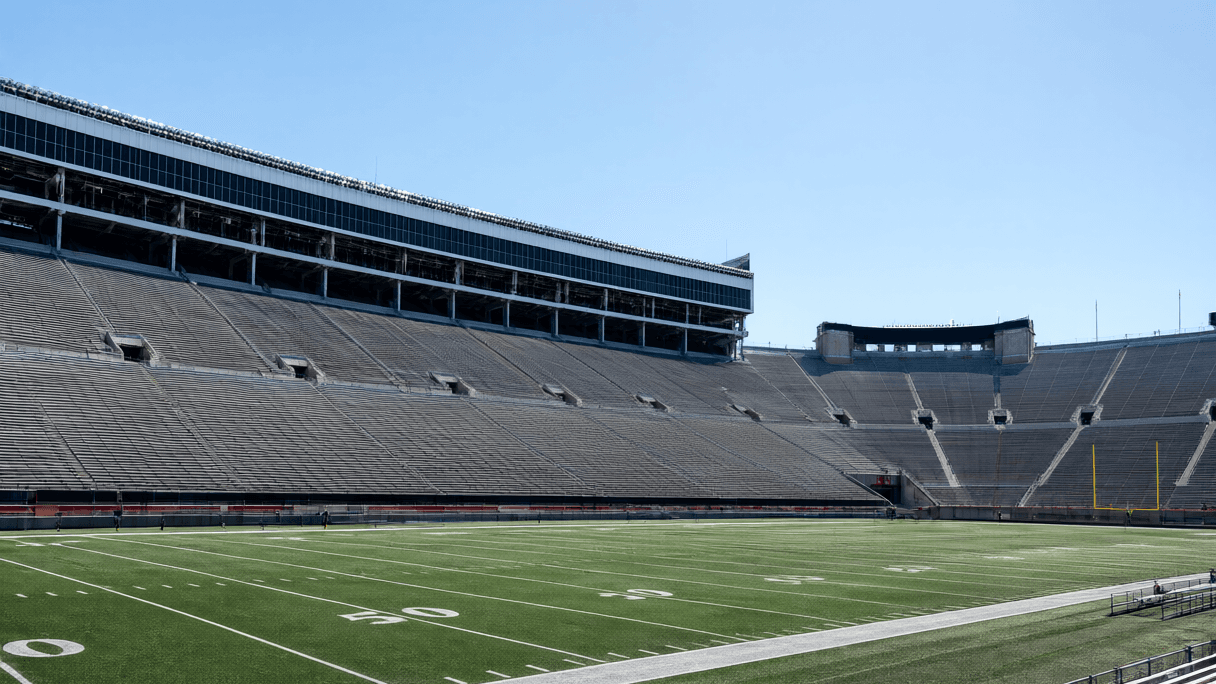
AI-generated image · US National Wire
The demand for synchronized radio feeds during televised broadcasts suggests a premium bundling opportunity for rights holders.
The recent broadcasting challenges involving Fox Sports' Gus Johnson and Joel Klatt at Ohio Stadium have highlighted a persistent friction point for sports consumers: the lack of synchronization between radio broadcasts and televised games. As Yahoo Sports first reported, this technical gap has sparked calls for a dedicated service capable of aligning these two audio-visual streams.
From a media rights perspective, the desire for synchronized audio is more than a user experience preference; it represents an untapped monetization vertical. Currently, rights holders treat radio assets and television feeds as separate silos. However, the demand cited by Yahoo Sports suggests that a segment of the audience is willing to seek out alternative audio experiences in real-time, provided they are perfectly timed with the on-screen action.
By integrating localized radio feeds into a premium digital subscription tier, broadcasters could create a high-value 'multicast' product. Instead of treating radio as a legacy broadcast medium, rights holders could bundle these assets into a synchronized digital interface, charging a premium for the ability to toggle between national TV commentary and local radio personalities without the lag that currently plagues the experience.
***
**OPINION:** The 'Gus disaster' described by Yahoo Sports is a symptom of a larger failure to monetize the secondary audio market. If rights holders can solve the synchronization problem, they can transition radio from a free-to-air utility into a premium add-on, increasing the average revenue per user (ARPU) for digital sports packages.