
The Sovereign AI Illusion: Why Domestic Compute Isn't Enough

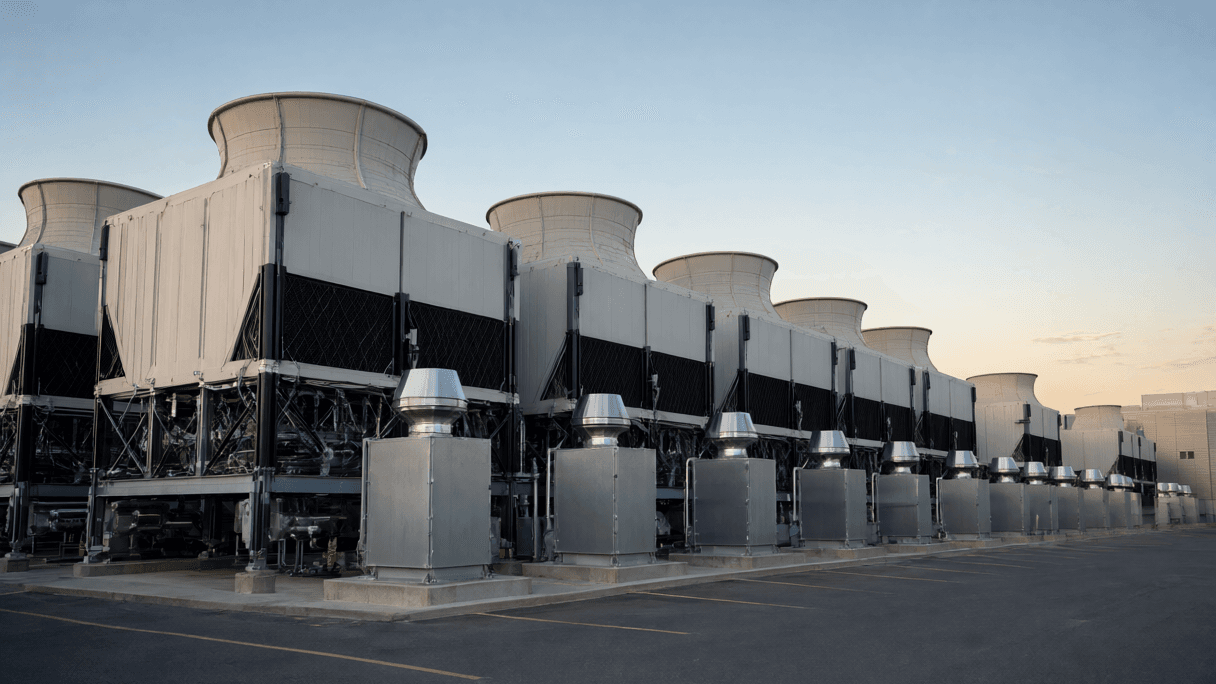
AI-generated image · US National Wire
Mike Bracken warns that pouring money into homegrown infrastructure is a vanity project if institutions remain locked into proprietary dependencies.
In the current rush to secure 'sovereign AI,' governments are focusing heavily on the physical: domestic compute capacity, homegrown models, and national infrastructure. As The Register first reported, the goal is to reduce reliance on overseas providers, but Mike Bracken points out that this approach misses the fundamental nature of sovereignty.
Reporting from The Register notes that Bracken—the founder of GOV.UK, former UK Government Chief Data Officer, and co-founder of the consultancy Public Digital—views this 'gold rush' as a potential trap. According to Bracken, the risk isn't a sudden loss of control, but a gradual erosion. He argues that institutions lose sovereignty 'one reasonable decision at a time,' piling on technology dependencies that eventually make it nearly impossible to pivot.
**Opinion: The Lock-in Trap** From my perspective, the current definition of sovereign AI is dangerously narrow. If a government simply swaps a foreign proprietary black box for a domestic one, they haven't actually achieved sovereignty; they've just changed the address of their dependency. True sovereignty isn't about who owns the server; it's about the ability to walk away from a supplier without collapsing the entire system. Without open-standard infrastructure, 'sovereign AI' is just a rebranding of vendor lock-in.
Bracken emphasizes that the critical question is whether an organization retains the power to change its supplier, technology, or strategy. This is especially precarious with AI, as services are increasingly built around platforms controlled by a small group of tech companies. Once these models are deeply embedded into workflows and infrastructure, switching becomes prohibitively difficult.
This issue extends beyond the halls of Whitehall. The Register reports that businesses, charities, and universities are facing the same dilemma as they migrate operations to outsourced AI services and platforms. In his book, *Digital Sovereignty: The Power to Decide*, Bracken argues that the real measure of sovereignty is the ability to make decisions when circumstances change.
While the UK government continues to invest in the processing power required to run AI models, Bracken warns that placing infrastructure within national borders does not equate to meaningful control. If the underlying systems are proprietary and rigid, the technology doesn't expand an institution's freedom to act—it quietly narrows it.