
The Robotics Vacuum: Why the FCC Ban Will Fuel a Domestic M&A Frenzy

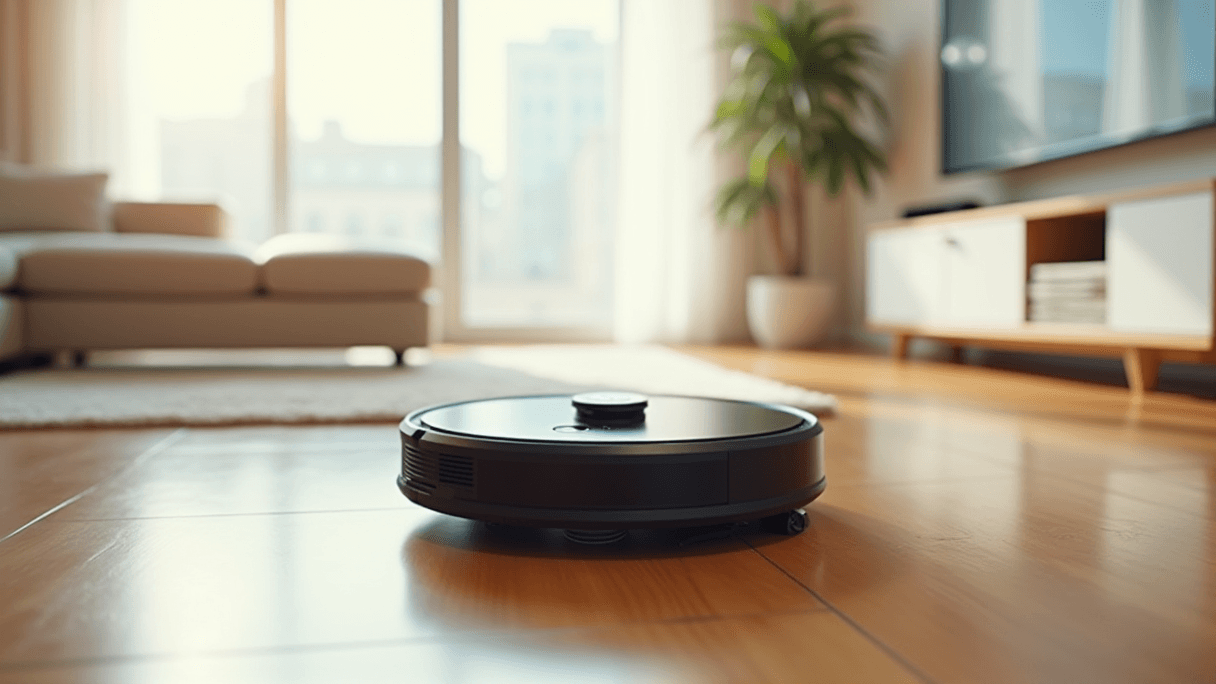
AI-generated image · US National Wire
Opinion: By blocking Chinese advanced robotics and power inverters, the US government is creating a market void that domestic firms will likely fill through aggressive consolidation.
The Federal Communications Commission's recent decision to ban the import of "advanced robotic devices" and power inverters manufactured in foreign countries, as The Verge first reported, is being framed as a matter of national security. However, through a deals lens, this is less about security and more about the creation of a massive strategic vacuum in the US robotics market.
As I see it, this policy is a catalyst for a wave of opportunistic M&A and domestic consolidation. By effectively locking out Chinese competitors—who, as The Verge reports, are ramping up humanoid robot production—the US government has signaled a protected environment for domestic players to scale rapidly.
According to The Verge, the FCC's definition of an "advanced robotic device" is broad, encompassing any machine over 4.4 pounds capable of navigation, obstacle avoidance, and locomotion, equipped with environmental sensors and network connectivity. This includes not just humanoid and quadruped models, but potentially even robot vacuums. The Verge notes that the FCC specifically cited security concerns regarding DJI's Romo robovac in its National Security Determination.
When you remove established global players from the equation, you create a scramble for market share. We are already seeing the shift in priorities among the biggest players. The Verge reports that Tesla has discontinued its Model X and Model S vehicles to prioritize the production of its Optimus humanoid robot. This is a clear signal that the industry's heavyweights are pivoting toward the exact hardware the FCC is now insulating from foreign competition.
Furthermore, the ban extends to power inverters, a sector where China currently leads. The Verge identifies Sungrow and the already-blacklisted Huawei as primary producers in this space. The resulting shortage of these critical components for renewable energy systems will likely trigger a rush of acquisitions as US firms attempt to acquire the intellectual property or manufacturing capacity necessary to fill the gap.
Crucially, the FCC is requiring waiver applicants to provide detailed plans to move manufacturing into the United States, according to The Verge. This mandate transforms the US market into a high-stakes environment where the ability to scale domestic production is the primary competitive advantage.
In my view, we should expect a period of intense consolidation. Smaller US robotics firms with promising tech but limited manufacturing capacity will become prime targets for larger entities looking to capture the displaced market share. The "unacceptable risks" cited by the FCC are the policy driver, but the economic result will be a gold rush of domestic M&A as companies race to occupy the space vacated by Chinese firms like Unitree.
While the FCC claims the ban isn't targeted at one specific country, Reuters reporting cited by The Verge suggests that many non-Chinese suppliers may be exempt. This selective pressure further incentivizes domestic firms to consolidate and scale, knowing their primary global competitors are sidelined. The robotics landscape is being forcibly reset; the winners will be those who move fastest to acquire and integrate the capacity to meet this newly protected demand.