
The Robotics 'Lego Era': Why Interoperability is the Missing Link for Enterprise ROI

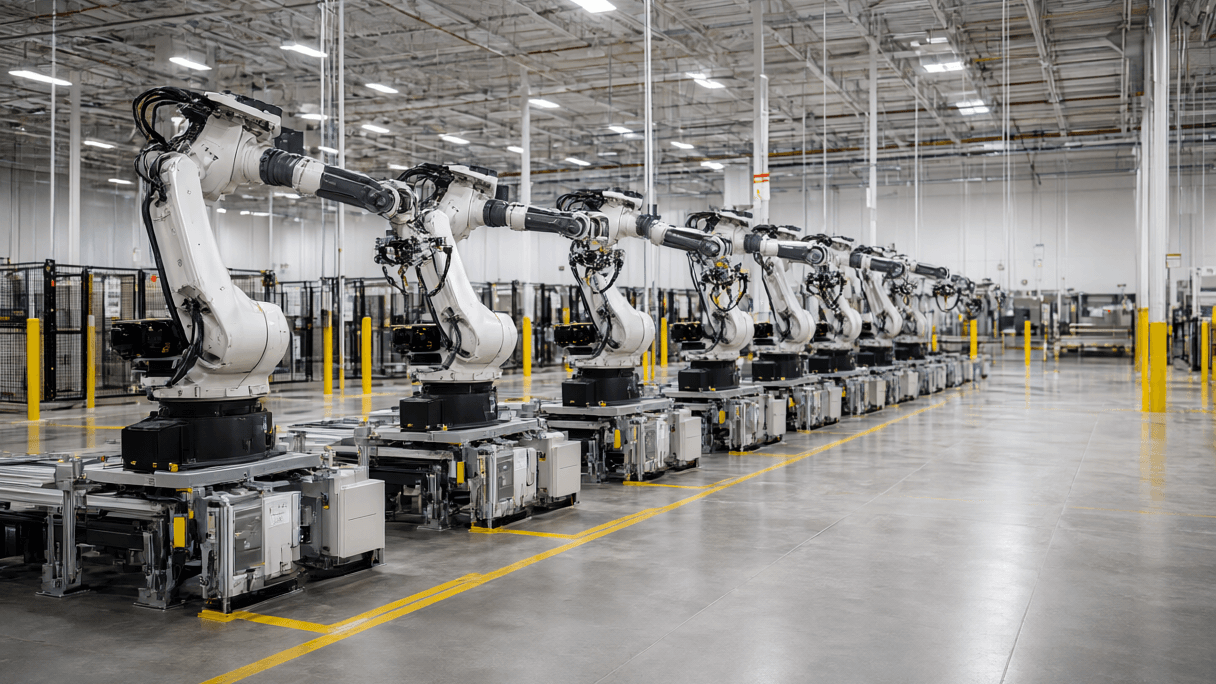
AI-generated image · US National Wire
Until the industry moves past rebuilding basic building blocks, the promise of a 'ChatGPT moment' for physical AI remains a speculative bet rather than a scalable operational reality.
For enterprise leaders eyeing the promise of physical AI, the allure of a 'ChatGPT moment'—a single, transformative leap in capability—is strong. Some industry leaders, such as General Intuition CEO Pim de Witte, have suggested that a general foundation model could eventually render much of today's specialized robotics work redundant, as TechCrunch first reported.
However, from an operational and capital efficiency lens, this vision ignores a fundamental structural deficit. Amulya Vishwanath, the founder and managing partner of Techable VC and a former executive who led product marketing for NVIDIA’s robotics platforms for seven years, describes the current state of the industry as the “Lego era.”
In my view, the “Lego era” is a critical warning for B2B buyers. When Vishwanath tells TechCrunch that the industry is still rebuilding basic building blocks—including robotic hands, actuators, software, and safety standards—she is describing a fragmented ecosystem. For a CTO or COO, fragmentation is the enemy of ROI.
Mass deployment of automation requires standardized middleware and interoperable hardware. If the 'blocks' of robotics are still being redesigned, enterprises are not buying scalable solutions; they are investing in expensive, bespoke prototypes. The risk here is high: deploying specialized systems today may result in significant technical debt if a general foundation model does eventually disrupt the field, as de Witte suggests.
Until the industry moves beyond this foundational rebuilding phase, the capital expenditure required for robotics remains too speculative for most risk-averse enterprise budgets. The path to true scalability isn't just about smarter AI models; it is about the standardization of the physical and software components that allow those models to operate reliably across different environments.
Vishwanath’s perspective as a venture capitalist investing in robotics, materials science, and life sciences underscores that while the long-term potential is vast, the immediate reality is one of assembly. We are currently in the phase of figuring out how the pieces fit together, not the phase of deploying a finished product at scale.