
The Return of the Bundle: Streaming's Pivot to Cable Logic

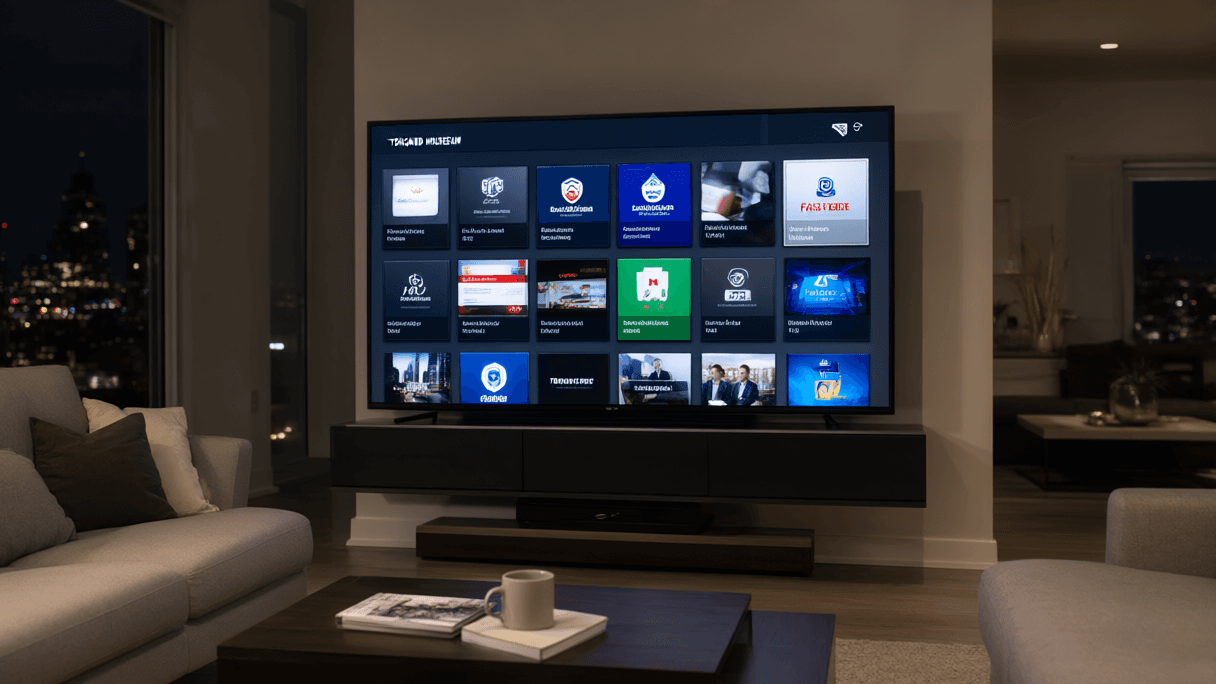
AI-generated image · US National Wire
Platforms are leveraging FAST services and subscription bundles to combat market maturation and consumer fatigue.
Streaming platforms are increasingly recreating the traditional cable model to stabilize growth and revenue. According to reporting from The Verge, the maturation of the streaming market has made it significantly harder for companies to acquire and retain new subscribers.
To address these financial pressures, platforms have implemented frequent price increases. To attract price-sensitive users, many have introduced ad-supported tiers or launched free ad-supported television (FAST) services. The Verge notes that services such as Tubi, Roku, and Pluto TV intentionally mimic old cable interfaces, utilizing long lists of channels rather than the algorithm-driven, icon-dense carousels that have become a source of annoyance for viewers.
Beyond free services, the industry is shifting toward aggregated subscription bundles. The Verge reports that nearly every major streaming company has offered deals providing access to competitors' services, mirroring the tiered packages once sold by telecoms. This trend is further supported by companies like T-Mobile and Verizon.
While early disruptors like Netflix—which pivoted to streaming around 2006—originally grew by offering an alternative to expensive cable plans, the current landscape suggests a return to those roots. The move toward bundling allows consumers to reduce entertainment spending while helping platforms mitigate the churn associated with managing multiple individual subscriptions.