
The Recovery Deficit: The Physiological Cost of a 24-Team Playoff

AI-generated image · US National Wire
As the CFP negotiates a massive bracket expansion, a shift toward campus-based early rounds threatens to erode critical athlete recovery windows.
In the boardroom, the push for a 24-team College Football Playoff (CFP) is a matter of revenue and logistics. In the training room, it is a matter of physiological sustainability.
As CBS Sports first reported, the CFP is currently in the final week of negotiations with ESPN to potentially expand the playoff field from 12 to 24 teams. While the focus of the CFP management committee—which includes Notre Dame athletic director Pete Bevacqua and 10 FBS commissioners—has been on the financial windfall and scheduling, the proposed structure introduces a grueling physical toll on the athletes.
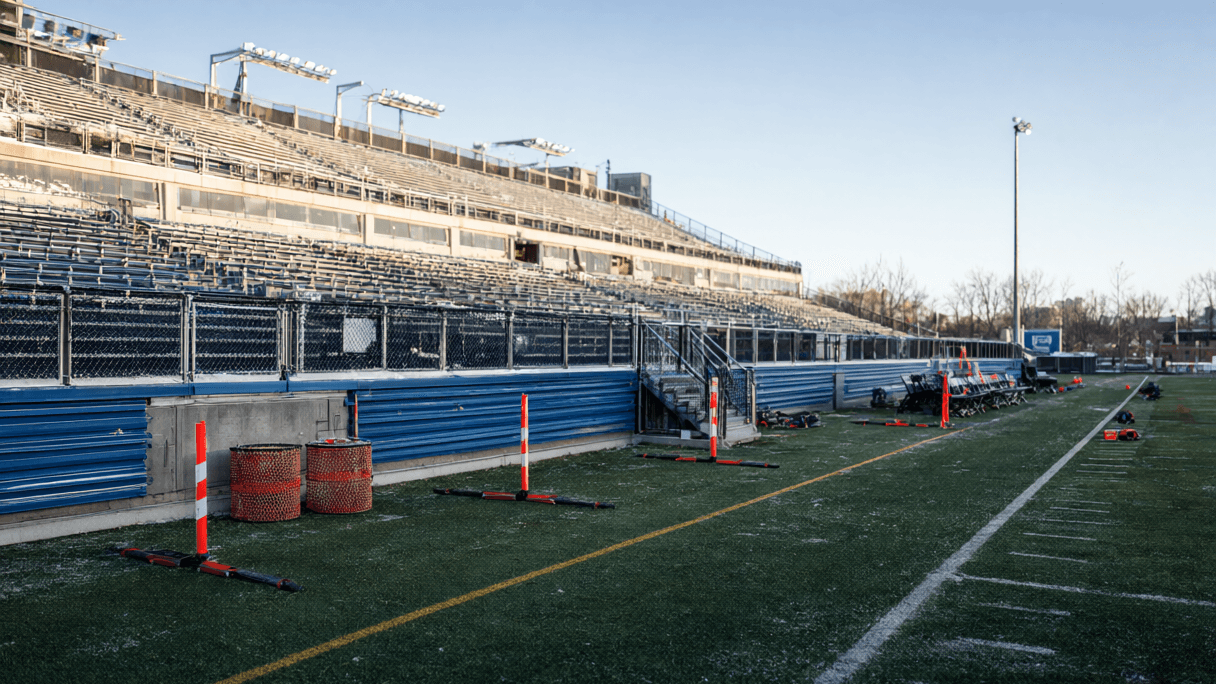
Under the emerging favorite model detailed by CBS Sports, the playoff would begin in the second week of December, two weeks after the regular season. The proposed format would see the first two rounds played on campuses, featuring eight games in the first round and eight in the second. For the athletes who do not receive one of the eight byes, this creates a condensed, high-intensity postseason window that pushes the limits of human recovery.
From a sports medicine perspective, the 'campus-based' nature of these early rounds is a critical variable. Moving games from neutral sites to campus environments often complicates the consistency of recovery protocols and medical support. When you combine this with a bracket that could potentially start as early as next season—a possibility CFP executive director Rich Clark mentioned to CBS Sports—the window for athletes to heal from regular-season attrition is virtually eliminated.
Furthermore, the logistical gymnastics required to fit this expansion into the calendar are significant. CBS Sports reports that the 24-team model would require the sunsetting of conference championship games. While this removes one game from the schedule, it replaces a single high-stakes game with a multi-round tournament structure. The trade-off is a shift from a sprint to a marathon of attrition.
There are also external pressures affecting the schedule. The CFP is currently navigating how to integrate the Army-Navy game, traditionally held on the second Saturday of December. While Clark noted to CBS Sports that there have been preliminary discussions about moving that game to the first Saturday of December, no official decision has been made. Any scheduling conflict that forces games into tighter windows only further compresses the recovery time available to players.
Ultimately, the drive toward 24 teams is fueled by economics. CBS Sports reports that conference leaders are seeking an additional revenue stream exceeding $200 million to offset the loss of championship games, with the SEC specifically looking to recoup approximately $100 million lost from deleting its conference championship game.
However, the cost of this revenue is paid in athlete durability. As the Big Ten and SEC move toward an agreement—with Big Ten commissioner Tony Petitti and SEC commissioner Greg Sankey coordinating on eligibility standards—the physiological reality remains: more games in a condensed window equals a higher risk of injury and a lower ceiling for peak performance.