
The Physical Wall: New York's Data Center Ban Exposes the AI Scaling Myth

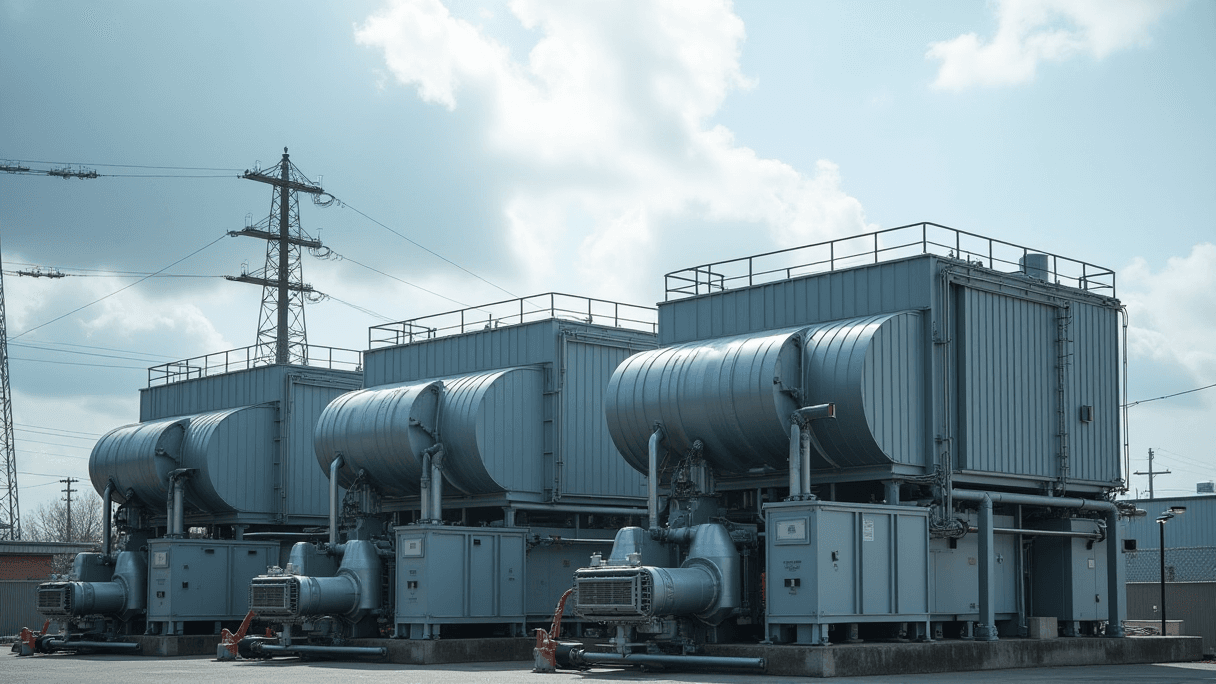
AI-generated image · US National Wire
Governor Kathy Hochul just slammed the brakes on hyperscale development, proving that 'infinite scale' is a fantasy when it hits the reality of power grids and zoning permits.
### The End of the Infinite Scale Fantasy
For years, the narrative surrounding artificial intelligence has been one of frictionless expansion. The promise was simple: feed the models more data, add more compute, and the intelligence scales linearly. But as any battle-scarred observer of the tech cycle knows, the cloud isn't actually a cloud—it's a collection of massive, power-hungry warehouses made of steel and silicon.
That fantasy of infinite scale just hit a very physical wall in New York.
In a move that signals a growing reckoning between AI ambitions and earthly constraints, Governor Kathy Hochul has signed an executive order enacting the first statewide moratorium on data center construction in the United States. As reported by Engadget and The Verge, the order bars the state from approving new environmental permits for large-scale data centers consuming 50 megawatts or more for up to one year.
**Opinion:** This isn't just a regulatory hiccup; it's a systemic warning. The industry has spent the last few years acting as if energy and land are infinite resources. New York is simply the first state to call the bluff, recognizing that the 'gold rush' of AI infrastructure is currently on a collision course with the basic needs of the citizenry.
### The 50-Megawatt Line in the Sand
Governor Hochul, who has previously described AI as an economic booster and a potential research tool, is now positioning herself as the vanguard of a new regulatory era. According to Engadget, Hochul stated at a press conference that New York intends to lead the nation in creating the strongest standards for data center development to ensure that the success of these companies translates into success for New Yorkers.
The specifics of the executive order are designed to target the 'hyperscale' players while leaving smaller operations intact. The Verge reports that the 50-megawatt threshold was chosen specifically to avoid disrupting smaller data centers used by essential institutions, such as hospitals.
However, the legislative branch had an even more aggressive target in mind. The New York state legislature recently passed the Responsible Data Center Development Act, which would have set a lower threshold of 20 megawatts for the moratorium. While Hochul has not yet signed that bill, the executive order allows her to pause development while she reviews the legislation. The bill, as reported by Engadget, would not only implement the year-long ban but would also mandate specific energy efficiency goals and require data centers to provide tangible benefits to their host communities.
### Power, Water, and the Public Purse
Why the sudden pivot from a pro-business moderate? The answer lies in the tangible costs of the AI build-out. Governor Hochul explicitly cited the threat that data center development poses to utility bills and the depletion of natural resources.
According to The Verge, the Department of Public Service (DPS) is now tasked with developing standards to assess the environmental impacts of these facilities, specifically focusing on air quality and water usage. Furthermore, Hochul is directing the DPS to explore mechanisms that would force data centers to invest directly in the state's energy infrastructure.
There is also a financial reckoning occurring. The Verge reports that Hochul plans to push the legislature during next year's session to roll back sales tax exemptions for large data centers. The message is clear: the era of the 'free ride'—where tech giants leverage government subsidies to build infrastructure that strains public resources—is coming to an end.
### A National Trend of Resistance
New York may be the first state to enact a statewide moratorium, but it is far from alone in its skepticism. The Verge and Engadget both note that communities across the country are grappling with the infrastructure demands of accelerating AI.
In Maine, the state legislature passed a moratorium that was ultimately vetoed in April by Democratic Governor Janet Mills. However, the momentum is shifting. Legislation to restrict data centers is currently advancing in several other states, including:
* Washington * Wisconsin * Illinois * Pennsylvania * New Hampshire * Connecticut * South Carolina
Even at the municipal level, the resistance is hardening, with cities like Seattle already enacting local bans.
### The Bottom Line
For the Web3 and AI crowds, the 'move fast and break things' ethos has always worked best when the 'things' being broken were digital. But you cannot 'disrupt' a power grid without causing blackouts, and you cannot 'scale' a data center without water and land.
Governor Hochul's executive order is a reminder that the physical world has a veto. As the state's development arm works to create a framework for local communities to negotiate benefits, the industry is discovering that the cost of doing business is no longer just about the price of H100 chips—it's about the social and environmental license to operate.
If the AI gold rush is to survive, it will have to stop pretending that the laws of physics and zoning don't apply to the cloud.