
The Physical Toll of Compute: New Regulations Target Data Center Resources

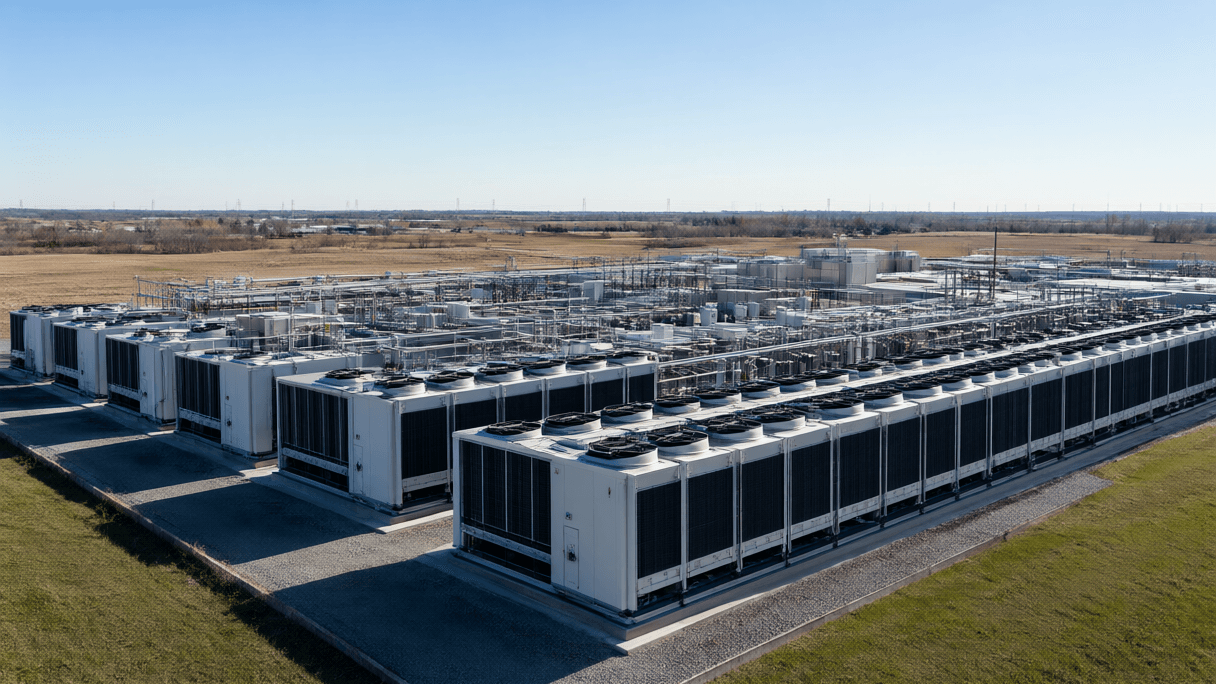
AI-generated image · US National Wire
California and the EU are implementing rules to curb the environmental impact of AI infrastructure as energy and water demands surge.
The expansion of artificial intelligence is colliding with the physical limits of power grids and natural resources, prompting a wave of regulatory crackdowns in the U.S. and Europe.
In California, Governor Gavin Newsom signed seven bills aimed at preventing AI data centers from shifting utility costs to residents. According to reporting from The Verge, these laws require the California Public Utilities Commission to create a new rate classification for data centers. The legislation forces these facilities to pay for upgrades to local water systems and power grids. Additionally, proposed data centers must disclose drought planning, energy efficiency, and estimated water use to local governments to qualify for streamlined approval. Governor Newsom stated that these measures ensure those profiting from data centers do not do so at the expense of Californians facing grid constraints and pollution.
Across the Atlantic, the European Union is moving toward a sustainability labeling system for data centers with capacities exceeding 500 kW. As reported by Engadget, the European Commission aims to triple the bloc's data center capacity over the next seven years to increase digital sovereignty and reduce reliance on U.S. tech firms. However, the Commission acknowledges this growth strains natural resources.
Data from the International Energy Agency cited by the Commission shows that EU data centers consumed 68 TWh of electricity in 2024. Driven by the race for AI compute power, that figure is projected to reach 114 TWh by 2030, representing more than 3% of the bloc's total electricity use. While the proposed rating system will not limit total power consumption, Engadget notes that operators must disclose how their water use relates to local water stress and whether they repurpose waste heat for the local energy ecosystem.