
The PHP2Shell Crisis: A Warning on the Fragility of Enterprise Technical Debt

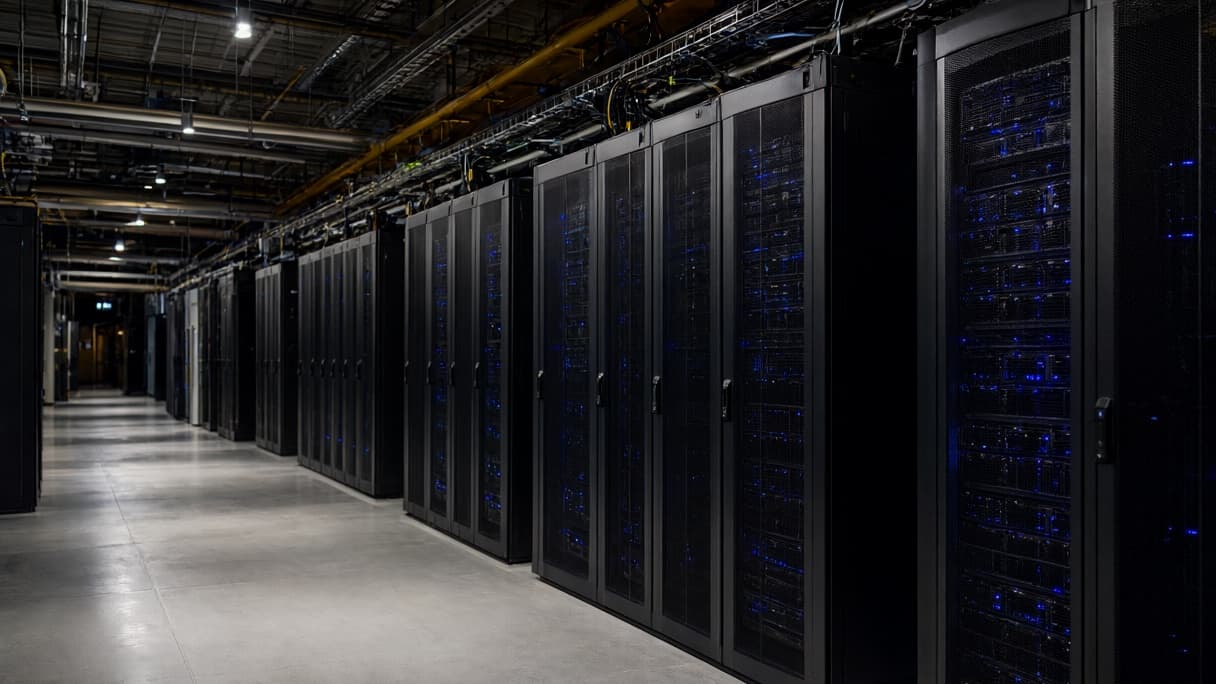
AI-generated image · US National Wire
Two critical vulnerabilities in a decades-old programming language nearly paralyzed the internet, exposing the operational risks of relying on ubiquitous, open-source legacy systems.
For the modern enterprise CTO, the recent 'PHPocalypse' is more than a security patch cycle; it is a stark illustration of the systemic risk embedded in legacy technical debt. When two dormant vulnerabilities in PHP—a programming language that, as TechCrunch first reported, powers approximately 70% of the web-facing internet—were suddenly weaponized, the result was a global scramble that forced critical infrastructure offline.
According to TechCrunch, the vulnerabilities, designated as CVE-2026-109618 and CVE-2026-109619 and dubbed 'PHP2Shell,' allowed for unauthenticated access and remote code execution. In operational terms, this meant attackers could breach internet-facing servers or internal company networks, such as intranets, without requiring a password or any other credentials. The severity of these bugs is rooted in their ability to grant a hacker full control over an unpatched system, enabling the installation of malware for data theft or the establishment of long-term persistence within a network.
From a B2B operations perspective, the fallout was immediate and disruptive. TechCrunch reports that a wide array of industries—including banks, hospitals, retailers, gaming sites, online stores, and government agencies—shuttered their websites and pulled services offline to apply patches. One specific example of this operational downtime was the Smartschool educational platform, which was reported offline in Edegem on Wednesday, October 21, 2026.
**The Legacy Trap**
The crisis underscores a dangerous paradox in enterprise software: the technologies that act as the 'glue' for the internet are often the most fragile. PHP's ubiquity is driven by its longevity and the fact that it is open-source and free. This has led to its integration into massive platforms such as MediaWiki (which powers Wikipedia), as well as Drupal, Joomla, and WordPress.
However, as TechCrunch notes, these tools are frequently developed by open-source maintainers who are unpaid and cannot afford third-party security reviews, yet they are relied upon by corporations that often fail to contribute financially to the projects. This creates a single-point-of-failure risk where the stability of global commerce and governance rests on underfunded, aging codebases.
**The AI Accelerator**
Perhaps most concerning for CTOs is the role of artificial intelligence in uncovering these vulnerabilities. TechCrunch reports that security researchers at Calif discovered the bugs during a security audit as part of the 'Hack the Planet' initiative, a collaboration between cloud security firm Wiz and AI model maker OpenAI. While Calif stated that AI was not capable of unearthing all bugs via simple prompts and that the researchers relied heavily on their own knowledge of PHP's codebase, they did confirm that AI was used to assist in exploiting the bugs.
This suggests a shifting ROI for attackers. As AI tools evolve, the cost and time required to discover and exploit legacy vulnerabilities will likely drop, accelerating the rate at which 'dormant' bugs—like these, which were first discovered in 2024 but not considered exploitable until recently—become active threats.
**Operational Takeaways**
While the PHP Foundation managed to avoid mass exploitation through a coordinated disclosure process—providing early patches to major web hosts and internet companies under a strict embargo—the event serves as a wake-up call. Many systems remain unpatched and vulnerable to data theft.
For leadership, the lesson is clear: auditing technical debt is no longer just about performance optimization or developer experience; it is a matter of operational uptime. Relying on ubiquitous legacy software without a clear migration path or a robust patching strategy is an accepted risk that may soon become untenable as AI-driven exploitation becomes the norm.