
The Monitoring Gap: Why the EPA's Retreat on Factory Farms Renders the Clean Air Act Toothless

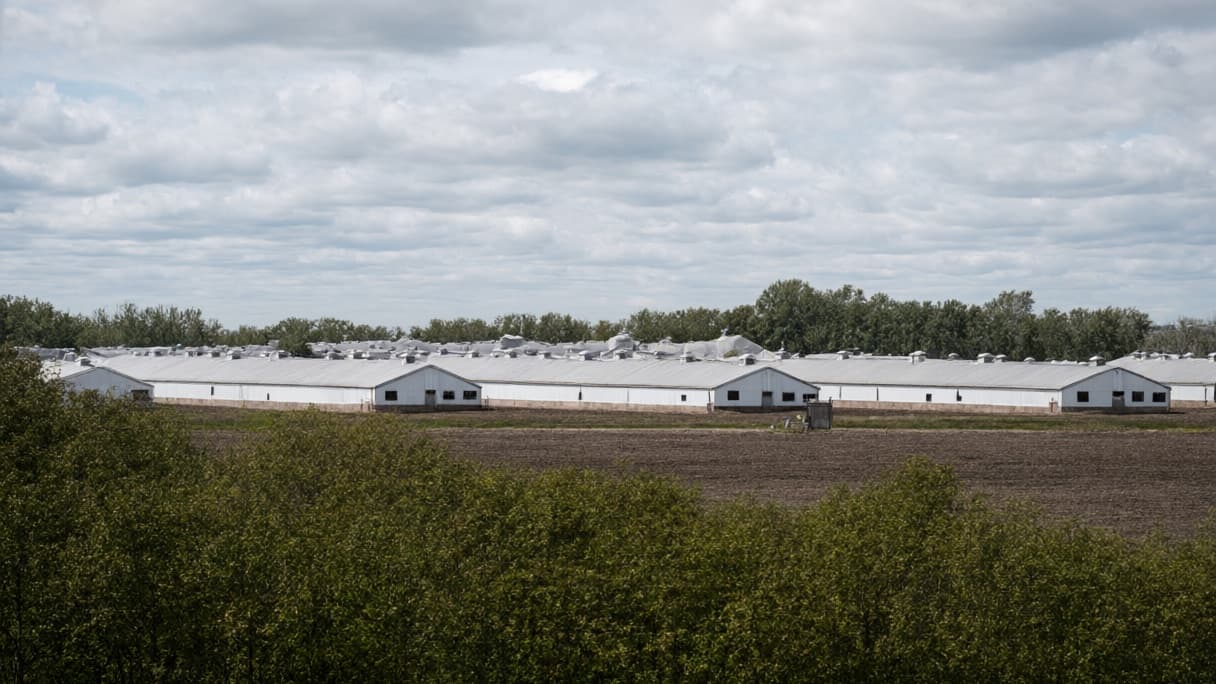
AI-generated image · US National Wire
Opinion: By abandoning the effort to create emissions monitoring tools for CAFOs, the EPA has proven that environmental laws are meaningless without a concrete deployment strategy for measurement.
In the world of clean tech and climate policy, there is a fundamental truth: you cannot regulate what you do not measure. For two decades, the Environmental Protection Agency (EPA) has operated under a delusion that the Clean Air Act could somehow apply to concentrated animal feeding operations (CAFOs) without a standardized, scientifically sound method for monitoring the toxins they spew into the atmosphere. Last week, the agency finally admitted defeat, and in doing so, it revealed that without a deployment strategy for monitoring, our environmental laws are little more than pieces of paper.
As first reported by Ars Technica, the EPA has officially ended a 20-plus-year effort to develop methods for monitoring air pollution from factory farms. This isn't just a bureaucratic pivot; it is a total surrender. For years, the agency has engaged in a stop-and-start dance with the livestock industry, granting thousands of CAFOs a "safe harbor" from legal action through the Air Consent Agreement. In exchange for this amnesty, the industry participated in the National Air Emissions Monitoring Study, intended to create the tools and models necessary for farms to determine if they exceeded pollutant thresholds.
But here is the pragmatic reality: the tools never arrived. Since the agreement began in 2005, the EPA failed to produce any emissions estimating methodologies. The agency's own Office of Inspector General issued a report in 2017 faulting the EPA for slow-walking the process. Now, in an announcement dated October 30, the agency has thrown in the towel. Abigale Tardif, the acting assistant administrator for the agency’s Office of Air and Radiation, claimed that the data from the original study is now too old and limited to support reliable methods, stating that the agency would rather be plain with farmers than issue numbers they cannot stand behind.
This is a catastrophic failure of deployment. The EPA didn't just fail to find the data; it spent twenty years providing a legal shield for polluters while failing to build the very infrastructure required to hold them accountable. According to Ars Technica, livestock facilities emit a toxic cocktail of volatile organic compounds, sulfur dioxide, nitrogen oxides, ammonia, and fine particulate matter. The human cost of this regulatory vacuum is staggering: research indicates that emissions from these operations cause nearly 12,700 deaths in the United States annually.
From a deployment perspective, the EPA's argument that "every farm is different"—a sentiment echoed by Rob Brenneman, president of the National Pork Producers Council—is a red herring. The goal of a regulatory framework is not to find a perfect, one-size-fits-all model, but to establish a baseline of accountability. As Tarah Heinzen, legal director for Food & Water Watch, pointed out to Ars Technica, the lack of a national EPA methodology does not mean that viable studies don't exist. She specifically cited California as a state that has already developed and implemented models for livestock emissions to enforce its own air regulations.
If California can do it, the federal government can do it. The fact that the EPA chooses not to is a political decision, not a scientific one. The timing of the announcement—coming just days before the midterm elections—suggests this was a calculated gift to a historically important constituency for the Republican Party and Donald Trump.
We are seeing a pattern of systemic dismantling. While the EPA was failing to produce monitoring tools, the Trump administration and Congress were simultaneously gutting reporting requirements under the Emergency Planning and Community Right-to-Know Act (EPCRA) and the Comprehensive Environmental Response, Compensation and Liability Act (CERCLA), also known as the Superfund Act. As Heinzen noted, the agency has been dismantling its own regulatory tools while claiming to proceed with a plan.
Essentially, the EPA has now signaled it has no real interest in using the Clean Air Act to hold factory farms accountable. While the legal obligation for facilities to obtain permits if they exceed emissions thresholds technically remains, the lack of an official monitoring methodology means that, in practice, no one is going to estimate anything. The law exists on the books, but the mechanism to trigger that law has been intentionally left broken.
This is the danger of "funding-round" environmentalism—where we celebrate the creation of studies and agreements without ever demanding the deployment of the resulting tools. The Air Consent Agreement was a masterclass in regulatory capture: the industry got twenty years of amnesty, and the public got a study that led nowhere.
If the EPA's logic holds, any industry that can argue "measurement is difficult" can effectively opt out of the Clean Air Act. This sets a dangerous precedent for the entire clean tech sector. If we cannot establish a concrete, enforceable monitoring strategy for one of the largest sources of methane and air pollution in the country, we cannot claim to have a functioning environmental policy.
The EPA's retreat is a reminder that legislation without a technical deployment strategy is a fantasy. The Clean Air Act is only as strong as the sensors, models, and reporting requirements that back it up. Without those, the law is just a piece of paper, and the air remains toxic.