
The Invisible Ledger: Federal License Plate Surveillance Operates in a Privacy Vacuum

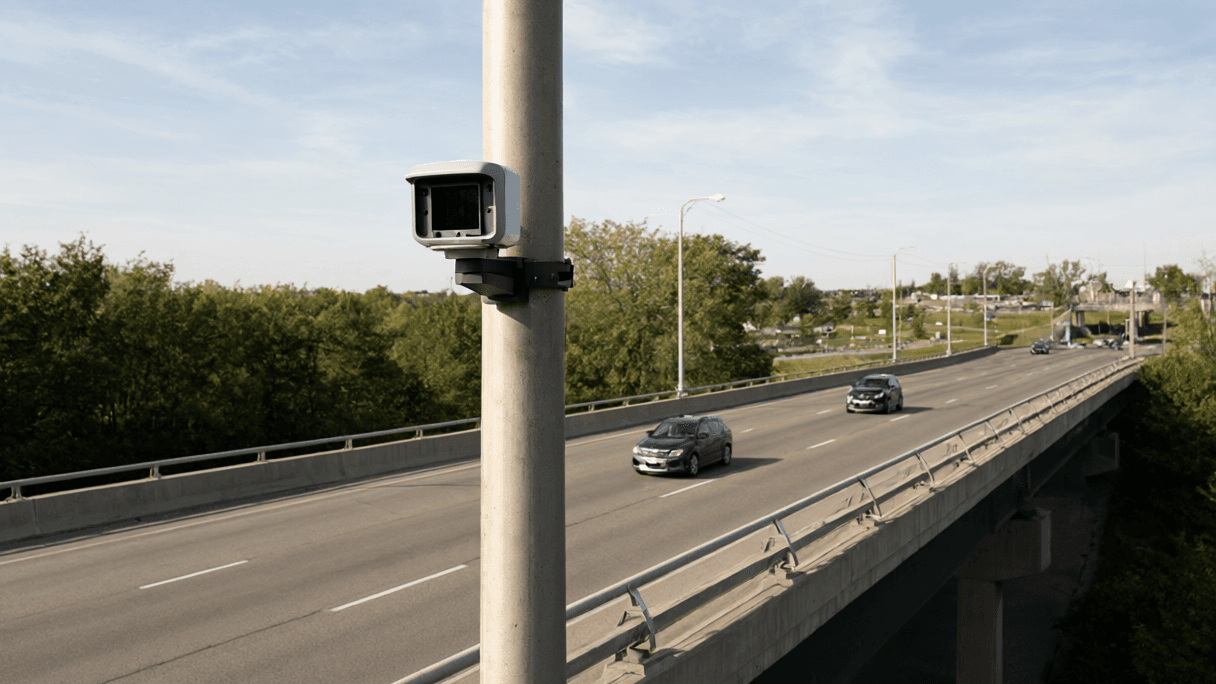
AI-generated image · US National Wire
A secretive database mirroring city-level camera data reveals a systemic failure of oversight within the ONDCP.
When we think of government surveillance, we often imagine targeted warrants or high-profile wiretaps. But the reality is far more banal and far more invasive: the federal government is treating our daily movements as a public ledger.
As 404 Media first reported, the High Intensity Drug Trafficking Area (HIDTA) program has constructed a complex apparatus to aggregate location data on Americans. This system effectively mirrors data from city-level license plate reader programs onto federal databases. To achieve this, the government has entered into a series of agreements with various cities and towns to obtain data from private vendors, including Motorola, Axon, and Flock.
From a defender's mindset, the architecture here is a nightmare. We aren't just talking about a few cameras on a highway; we are talking about a centralized federal mirror of urban movement. This program falls under the jurisdiction of the White House’s Office of National Drug Control Policy (ONDCP)—an entity 404 Media notes previously operated a secretive cell phone surveillance project known as Hemisphere. The pattern is clear: the ONDCP specializes in the quiet acquisition of mass data.
***OPINION***: The most alarming aspect of this program isn't just the surveillance itself, but the total absence of transparency regarding its impact on civil liberties. The fact that this infrastructure was deployed without a public-facing privacy framework is a systemic failure of oversight. We are essentially trusting the government to grade its own homework while it tracks our every turn.
This lack of accountability is now the center of a confrontation between the ONDCP and the U.S. Senate. As reported by 404 Media, Sen. Ron Wyden has demanded that Sara Carter, the director of the ONDCP, release a commissioned report regarding the privacy practices of these surveillance programs.
Wyden's letter points to a key finding: in 2024, the nonprofit contractor MITRE finished a privacy review of HIDTA’s surveillance operations, which encompassed both the cell phone data collection project and the license plate reader database. Despite the completion of this review, the ONDCP has refused to provide the report to Wyden’s office and has kept it hidden from the public.
Wyden is now calling for the immediate release of the MITRE study and a separate analysis focusing on automated license plate reader systems and practices. Until that happens, the HIDTA program remains a black box, operating with a level of secrecy that should terrify anyone who values their privacy.