
The High-Margin Pivot: Why Microsoft's Surface Laptop Ultra is a Professional Play

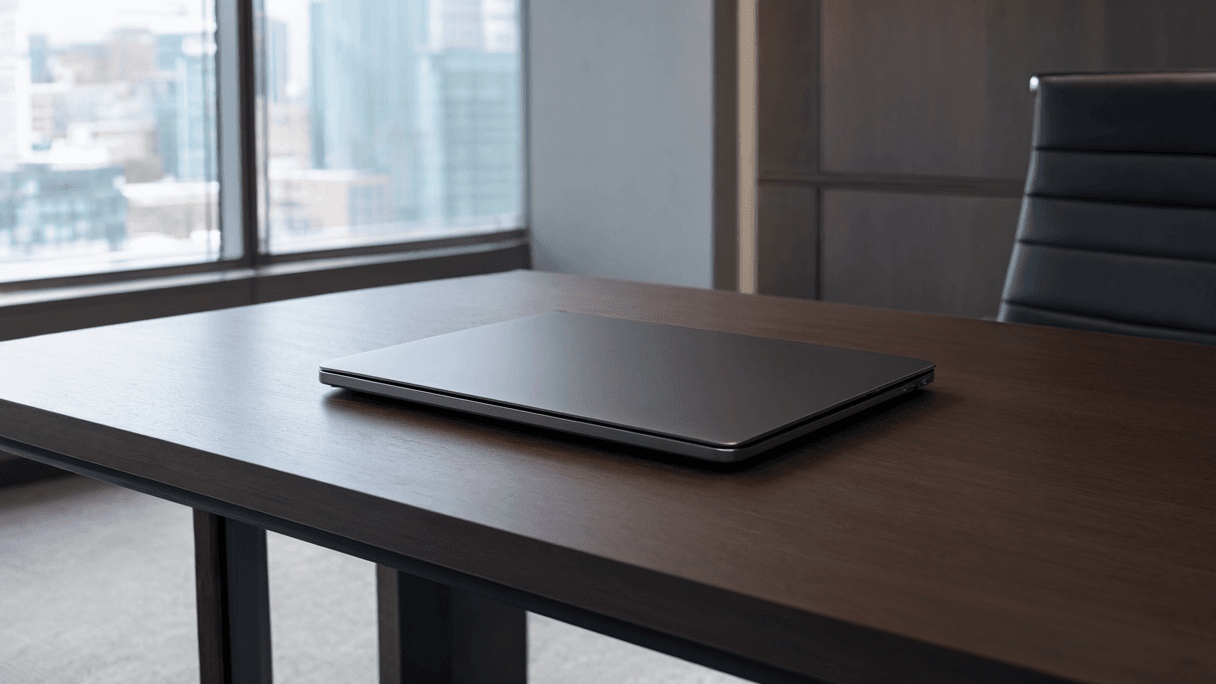
AI-generated image · US National Wire
Opinion: By pricing the Surface Laptop Ultra at a steep $2,599, Microsoft is signaling a strategic shift away from the general consumer toward high-margin, 'builder-class' professional segments.
Microsoft's latest hardware reveal is less about expanding its user base and more about refining its profit margins. With the announcement of the Surface Laptop Ultra, the company is not merely releasing a more powerful laptop; it is executing a calculated pivot toward a specialized, high-spending professional class.
According to reporting from The Verge, the Surface Laptop Ultra will launch on October 16th with a starting price of $2,599. The entry-level model features 24GB of RAM, 512GB of storage, and an 18-core CPU. While the hardware is impressive, the price point is the real story. By setting the entry barrier at over $2,500—and offering a top-tier model that reaches $5,899.99—Microsoft is explicitly moving away from the competitive, low-margin consumer laptop market.
In my view, this pricing strategy reveals a clear intent: Microsoft is no longer interested in fighting for the average consumer who browses the web or edits casual videos. Instead, the company is targeting a niche of power users who are less price-sensitive and more focused on raw compute capability. Engadget reports that Microsoft has described the device as a "builder class PC," specifically positioning it for AI researchers and developers rather than the typical PC user.
This shift is further evidenced by the hardware partnerships and specifications. The Verge notes that the device utilizes Nvidia's new RTX Spark chip, an Arm-based processor capable of supporting up to 128GB of unified memory. Both Microsoft and Nvidia are positioning these RTX Spark laptops at the "very premium end" of the market, focusing on local AI tasks, gaming, and creative software. When a company targets "local AI tasks" and "AI researchers," it is targeting the most lucrative growth sector in modern computing.
From a deals and M&A perspective, this is a classic move to insulate margins. The consumer hardware space is a race to the bottom, but the "builder class" is a different animal. By integrating high-end components—such as the 15-inch Mini-LED PixelSense Ultra touchscreen with 2,000 nits of peak brightness and a haptic touchpad that Engadget reports is 30 percent larger than typical 15-inch Surface notebooks—Microsoft is creating a product that justifies its premium. The inclusion of a "Magnetic Connect" port, which Engadget describes as a hybrid of magnetic charging and a USB-C jack, further signals that this is a tool for professionals who value specific utility over general affordability.
Microsoft is also positioning the Ultra as a direct competitor to the MacBook Pro, utilizing a sleek aluminum chassis to match the aesthetic of Apple's high-end offerings. However, the real competition isn't just about the chassis; it's about the capability. With the priciest model offering 128GB of RAM, a 20-core CPU, and 1TB of storage, Microsoft is betting that the professional market will pay a significant premium for a Windows-based alternative to Apple's ecosystem.
Critics might argue that limiting the Surface line to such a high entry price alienates the core Windows user. But from a business lens, that is precisely the point. The Surface Laptop Ultra is not designed for the masses. It is a high-margin vehicle designed to capture the spend of the AI revolution's architects. By focusing on the "builder," Microsoft is trading volume for value, a necessary evolution for a hardware line that must justify its existence within a software-dominant company.
Ultimately, the Surface Laptop Ultra is a statement of intent. Microsoft is signaling that it is comfortable exiting the mid-range fray to dominate the high-end professional segment. If the goal is to maximize revenue per unit sold, the $2,599 starting price is not an obstacle—it is the strategy.