
The Hardware Gap: Why the Xbox Series S is a PC Market Impossible

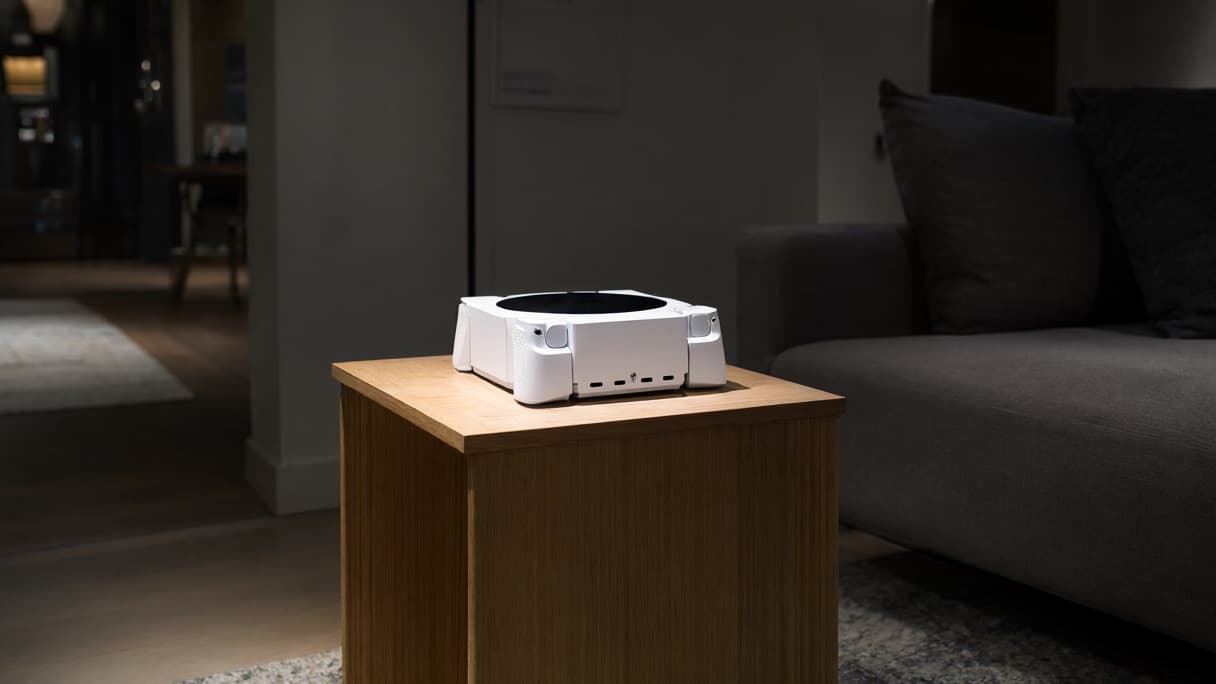
AI-generated image · US National Wire
Microsoft's budget console reveals a stark reality: proprietary optimization is the only way to keep entry-level gaming affordable as PC component costs soar.
The Xbox Series S is marketed by Microsoft as a value proposition for gamers, capable of running titles at 1440p and up to 120 FPS. However, as Engadget first reported, looking at the current state of the PC market reveals that the console represents more than just a budget option; it is a testament to the efficiency of proprietary hardware ecosystems over the fragmented, expensive nature of custom builds.
According to reporting from Engadget, attempting to replicate the Series S experience with a modern PC is a costly endeavor. While the Xbox Series S base model now retails for $500 following recent price increases, Engadget found that a theoretical PC build designed to outperform the console on paper would cost approximately $740 before taxes. This figure is more than double the console's original launch price.
This price disparity is driven by a volatile hardware market. Engadget notes that demand for AI has pushed consumer hardware prices higher, making even older GPUs valuable. While a PC offers versatility beyond gaming and media consumption, it lacks the specialized optimization that allows the Series S to punch above its weight class. The console utilizes custom hardware—including an AMD Zen 2-based CPU with 8 physical cores (clocked at 3.6GHz) and an RDNA2 GPU with 12 compute units—that developers actively optimize for. A PC, by contrast, is less accommodating to older or budget-constrained parts.
To build a comparable machine, Engadget suggests a combination of parts that highlights the cost of flexibility. A budget-friendly build would require an AMD Ryzen 5 5600 (roughly $160) or a Ryzen 5 5600X3D (around $175), paired with an ASRock B550M Phantom Gaming 4 motherboard ($80-$90) and a Lenovo 2x4GB DDR4 RAM kit ($40).
The most significant cost bottleneck is the GPU. Engadget ruled out the NVIDIA GeForce GTX 1060 as too old for modern titles and suggested the GeForce RTX 3050 ($250) might lack sufficient VRAM. Instead, the recommended path is the ASRock Challenger Radeon RX 7600 8GB at $330, though other options like the Intel Arc B570 ($290) or the RTX 5050 ($300) exist. When adding a Thermalright Peerless Assassin 120 SE cooler ($35), a 512GB SSD ($100), a Thermaltake Toughpower GX2 power supply, and a Zalman Cubix-G tower ($35-$45), the financial gap becomes undeniable.
Ultimately, the Series S exists in a space that the open PC market can no longer fill. The console's ability to deliver a cohesive entry-level experience at a lower price point is only possible because Microsoft controls the ecosystem. For the consumer, the choice is between a highly optimized, limited-function device and a versatile machine that, as Engadget puts it, will "crush your wallet."