
The Grid Reckoning: Physical Constraints Collide With AI Ambitions

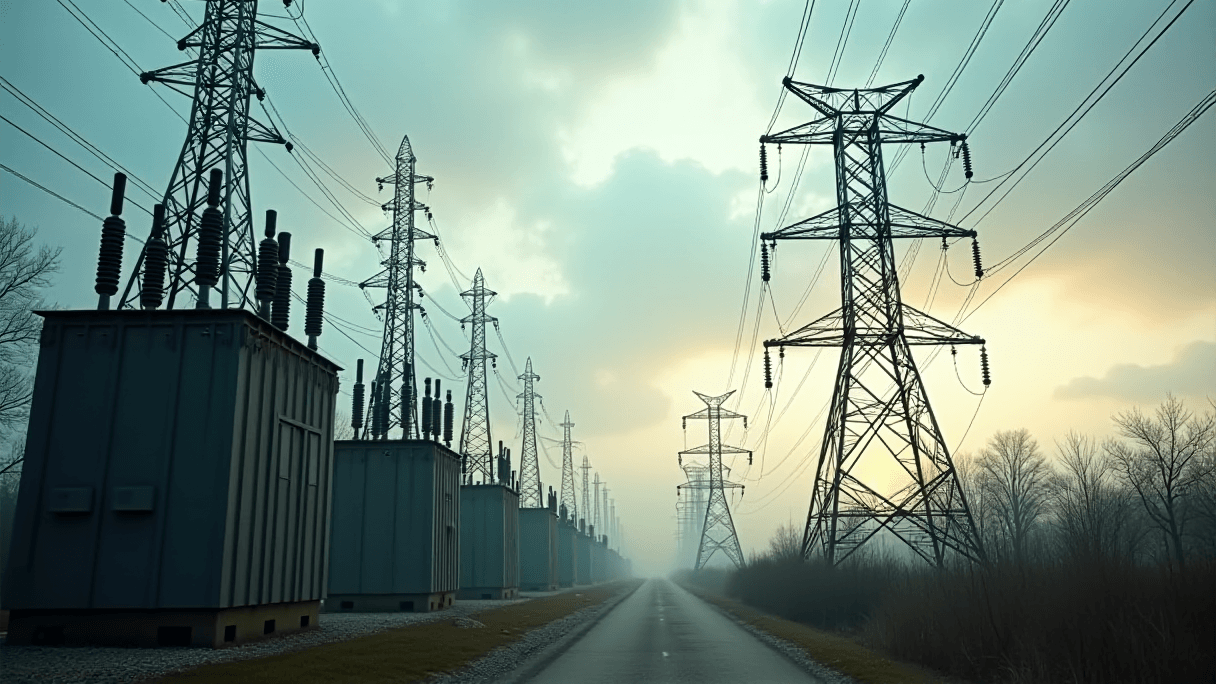
AI-generated image · US National Wire
As hyperscalers race to build, the material reality of power, water, and land is sparking a rare cross-political coalition against data center expansion.
For years, the expansion of data centers happened in the background of American life, tucked away in hubs like Silicon Valley and the DC area. But as Wired first reported, the arrival of the AI race has shifted these structures from invisible infrastructure to flashpoints of national conflict. The narrative pushed by tech leaders—that a massive buildout of 'hyperscalers' is essential for AI progress—is now colliding with the physical limits of the American landscape.
**The Material Cost of Growth**
According to Wired, the push for rapid AI development has led companies to seek the cheapest available land, water, and power, often ignoring the local externalities. The reporting highlights several specific friction points:
* **Energy and Utilities:** As new data center loads enter the system, utilities are forecasting sky-high demand, leading consumers to scrutinize their own electric bills. * **Environmental Impact:** In Memphis, Tennessee, Elon Musk reportedly transported unpermitted gas turbines to an xAI campus located in a majority-Black neighborhood already dealing with significant pollution and contamination. * **Resource Consumption:** Wired notes a previously published Washington Post article (though later disputed) that estimated a single ChatGPT search consumed the equivalent of a bottle of water.
**A Bipartisan Backlash**
While the tech industry has framed AI growth as an economic necessity, Wired observes a growing 'near-religious fury' among the public. This resistance is notably uniting opposite ends of the political spectrum, ranging from 'white Christian nationalism' accounts on X to progressive organizers.
This sentiment is reflected in broader data and legislative action. Wired cites a Gallup poll indicating that 70 percent of Americans either somewhat or strongly oppose the construction of data centers in their local areas. This opposition has manifested in several ways:
* **Legislative Blocks:** Moratoriums on data center construction have been introduced in at least 12 states, including Georgia. New York has already passed such a moratorium, and various cities and counties—including those in deep-red areas—have implemented their own bans. * **Violence and Unrest:** The tension has escalated beyond policy debates. Wired reports attacks on OpenAI CEO Sam Altman and Indianapolis council member Ron Gibson, who was pro-data-center.
**The Narrative Gap**
From a deployment perspective, the conflict stems from a disconnect between corporate rhetoric and local reality. While tech CEOs discuss AI's potential to replace human creativity and jobs, the physical infrastructure required to power those ambitions is being dropped into communities that feel the immediate brunt of the resource drain.
As Wired's Molly Taft notes, the current era of data center construction is no longer a quiet utility expansion; it is a visible, contested struggle over who bears the cost of the AI revolution.