
The Grid is the True AI Bottleneck, and Big Tech Just Admitted It

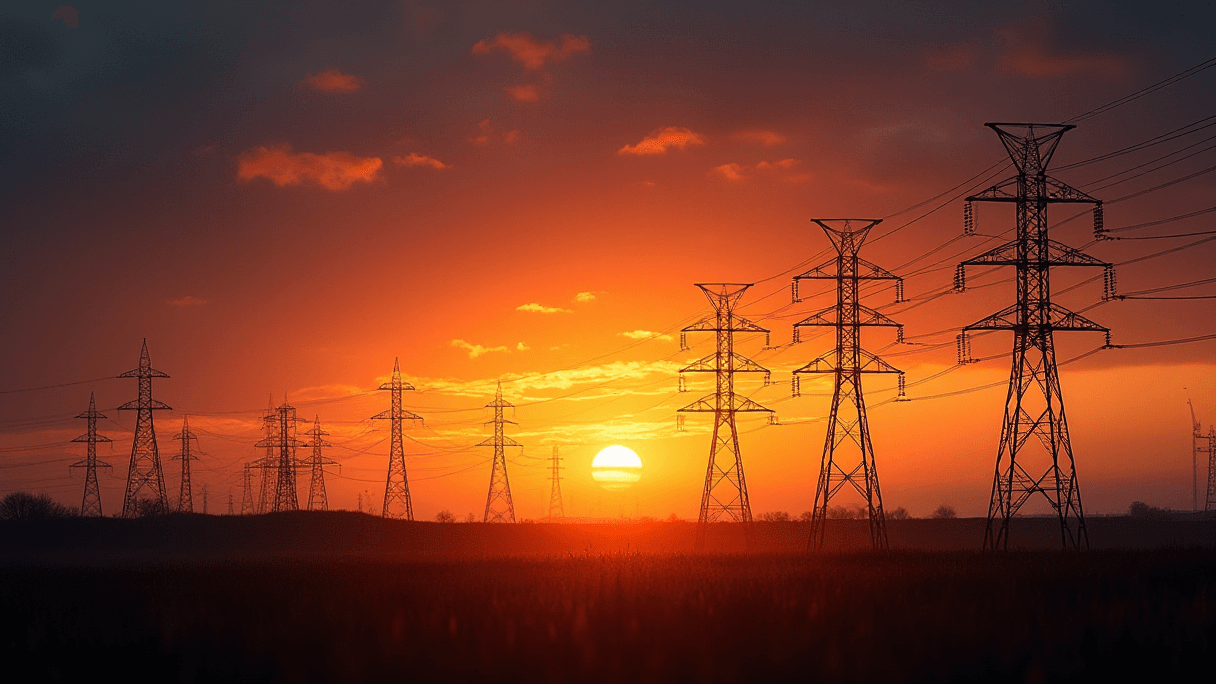
AI-generated image · US National Wire
Opinion: The launch of the AI Energy Management Alliance is a pragmatic admission that the race for intelligence is now a race for electricity—and the only way forward is to rewrite the rules of the grid.
For years, the narrative surrounding the artificial intelligence boom has focused on the intangible: the elegance of the code, the scale of the datasets, and the raw processing power of the chips. But as I've argued throughout my time covering clean tech, the most sophisticated algorithm is useless if it doesn't have a plug in the wall.
We are now seeing a formal admission of this reality. As first reported by Engadget, Google, NVIDIA, and Emerald AI have formed a new coalition known as the AI Energy Management Alliance (AEMA). In reality, this is a pragmatic acknowledgment that the physical grid is the primary bottleneck for AI, and Big Tech cannot scale its ambitions without fundamentally changing how it interacts with the power system.
According to Engadget, the AEMA's goal is to promote AI data centers that are more flexible, ensuring they aren't disruptive to electricity grids and don't necessitate massive upgrades funded by taxpayers. In exchange for this flexibility, the coalition is asking utility operators for one thing: faster grid connections.
This is a high-stakes trade. As NVIDIA noted in a blog post cited by Engadget, the power infrastructure in the United States was designed for a "flat, static electricity demand." It was never built for the volatile, massive loads required by modern computing centers. Varun Sivaram, the CEO of Emerald AI, explained in a Fortune article that new U.S. data centers can currently face wait times of a decade or more for a grid connection. This happens because utilities must ensure capacity for all users during peak demand—such as those "sweltering afternoons" when air conditioning is at its maximum.
However, Sivaram points out a glaring inefficiency: the grid is only utilized at 50 percent on average. The math suggests that if AI data centers could remain flexible during the grid's most strained hours, the U.S. could unlock 100GW of capacity on the existing grid for these facilities.
The AEMA is proposing a shift where data centers become a "controllable resource rather than an inflexible load." To achieve this, the group is pushing for standardized technical requirements and operational data sharing. The toolkit includes on-site generation, batteries, and software capable of shifting or pausing less urgent computing workloads. In return, grid operators would accelerate connections and potentially share costs.
But we must be clear about what this coalition is and is not. While it frames itself as a solution for grid stability, it is also, as Engadget reports, a lobbying arm. Sivaram has explicitly stated that AEMA will press its case in Washington and state capitals, asking governors and regulators to offer faster and larger connections to data centers that commit to this flexibility.
Crucially, this is a strategy of optimization, not environmental salvation. As Engadget notes, the AEMA does not address the massive pollution resulting from these centers, nor the noise and community disturbances. It is a plan to reduce the "hassle" for regional grids to ensure the machines keep running, even as public backlash grows to a point where politicians are concerned about their electability.
In my view, the AEMA is a necessary evolution. By admitting that they cannot simply build their way out of the energy crisis with more hardware, NVIDIA and Google are finally acknowledging the physical constraints of the world. It is a pragmatic move, but one that prioritizes speed of deployment over a holistic solution to the climate impact of the AI revolution.