
The Great Inversion: MLS Bets on a 'Sprint Season' to Reset the Global Clock

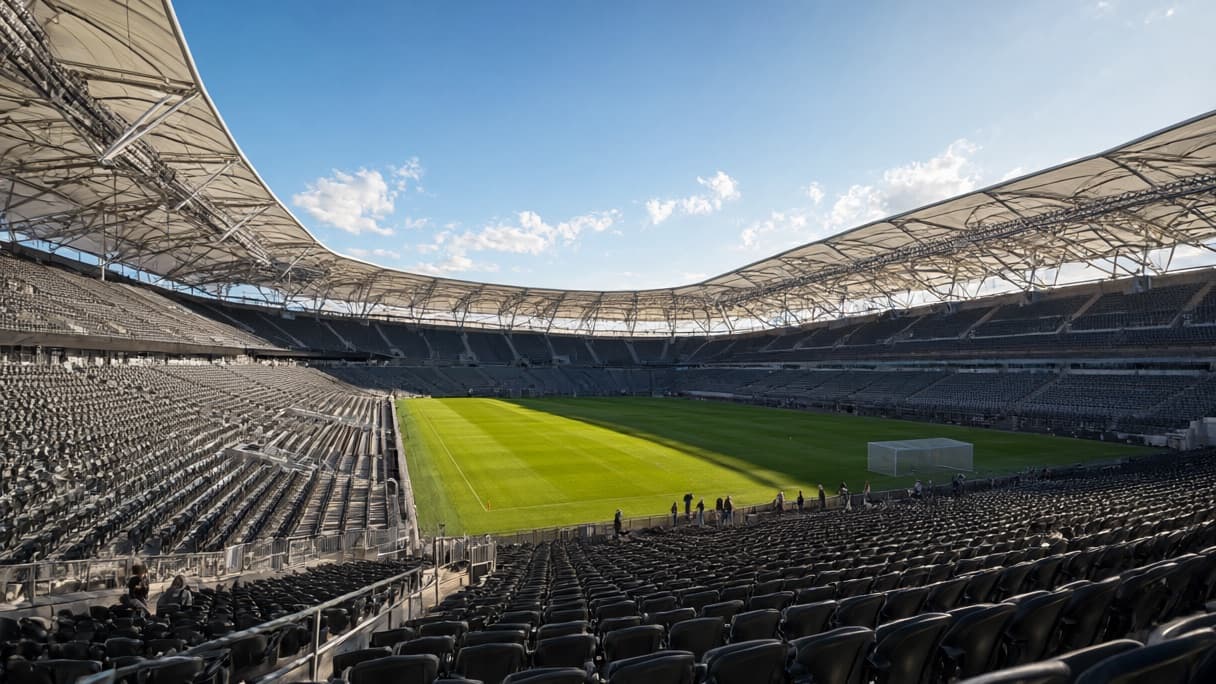
AI-generated image · US National Wire
By trading tradition for a high-stakes, 14-game dash, Major League Soccer is positioning itself for a permanent calendar shift that aligns the U.S. with the world's elite leagues.
OPINION: For years, Major League Soccer has operated on a calendar that felt like an outlier, a domestic bubble that often clashed with the rhythms of the global transfer market and the elite leagues of Europe and South America. But the league is finally treating its schedule like a product that needs optimization. By introducing a 'sprint season,' MLS is effectively forcing itself to grow up, trading the comfort of tradition for a high-stakes sprint that will determine if the league can successfully pivot its entire identity to match the global game.
As The Guardian first reported, the 2027 season will serve as a one-off 'sprint season' designed to invert the North American calendar. This strategic shift will align MLS with the majority of the world's top leagues starting with the 2027-28 season. This isn't just about dates on a calendar; it is a move that The Guardian notes will better position the league within the global transfer market.
***
**The Sprint Logistics**
As detailed by The Guardian, the 2027 sprint season is a condensed, half-season experiment. The action kicks off on February 19, with Inter Miami hosting FC Cincinnati at Nu Stadium for the opening match. The schedule is lean and focused: teams will only face opponents within their own conference, resulting in a 14-game slate split evenly between home and away matches.
To fit this volume of play into a tight window, the league will utilize 17 matchweeks, which includes some Wednesday fixtures and occasional matchdays off. The sprint concludes with the traditional Decision Day on May 8, where each conference will play their full slate of games concurrently in consecutive time slots.
Following the regular season, the top eight teams from each conference will enter a single-elimination postseason. The culmination of this experiment, the MLS Cup, is scheduled to take place during Memorial Day weekend, specifically between May 28 and May 31.
**Testing the Cold-Weather Limits**
One of the most intriguing aspects of the sprint season is how the league handles its northernmost markets. The Guardian reports that the schedule allows MLS to test the viability of late-winter matches in cold-climate locales by utilizing earlier kickoff times.
For instance, Minnesota United will start their season a week later than the rest of the league, hosting Seattle on February 28 with a 2 p.m. local kickoff. CF Montréal's schedule reflects similar challenges, as they are slated to play only one of their first six matches at home. Other notable early-season clashes include a February 28 Canadian Classique between Toronto FC and CF Montréal.
**Marquee Matchups and Roster Notes**
Despite the condensed nature of the season, the league is leaning into its biggest rivalries. The Guardian highlights several key dates: the Cascadia Derby between the Portland Timbers and the Seattle Sounders on April 4, and the 'Hell is Real' Derby between the Columbus Crew and FC Cincinnati on April 24.
On the personnel front, The Guardian notes that Thomas Müller has announced he will remain with the Vancouver Whitecaps for the duration of the sprint, despite a lack of clarity regarding the long-term future of the club.
**A League in Transition**
This calendar shift arrives during a period of significant institutional change. The Guardian reports that Larry Berg is preparing to take over as commissioner, succeeding Don Garber after Garber's decades-long leadership of the league.
From a broadcast perspective, the accessibility of the product remains centralized. Every match of the sprint season, from the February 19 opener to the championship final, will be streamed on Apple TV, with the league confirming there will be no local blackouts.