
The Friction of Novelty: Why AI Agents are Failing the Food Delivery Test

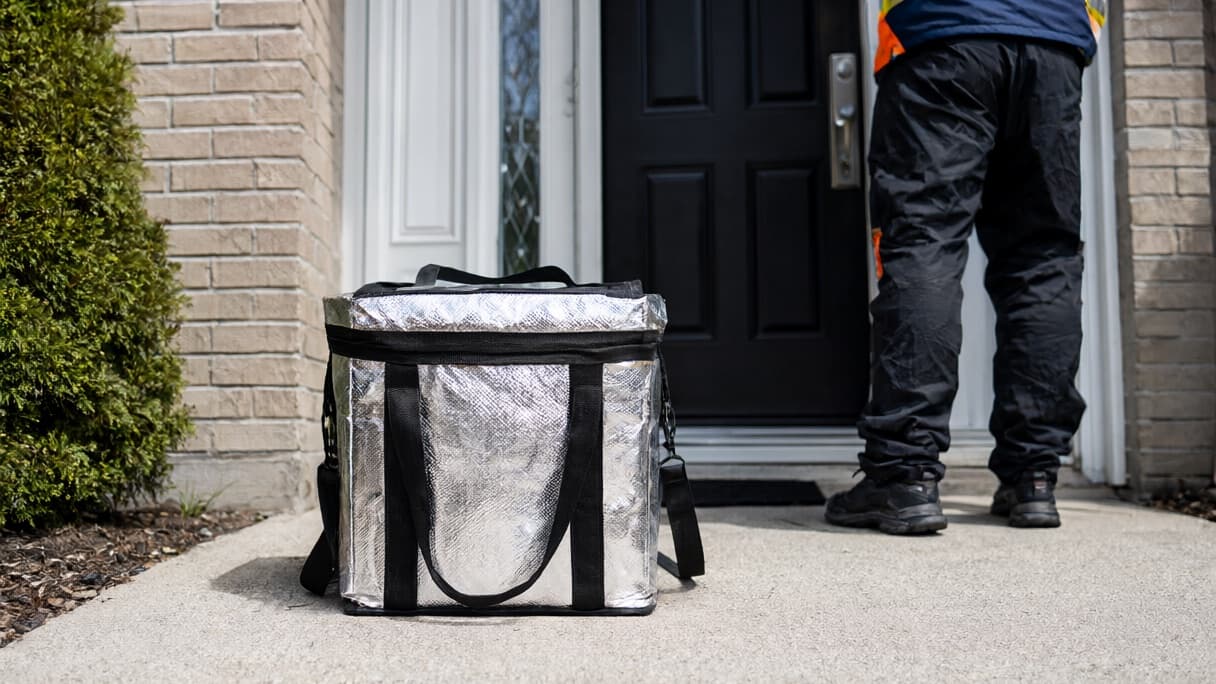
AI-generated image · US National Wire
DoorDash's latest earnings reveal a stark reality: when it comes to high-intent commerce, consumers prefer the precision of an app over the novelty of an AI agent.
Q: What is the current state of third-party AI agent adoption for DoorDash orders?
A: According to reporting from Ars Technica and TechCrunch, adoption is nearly nonexistent. During a third-quarter earnings call, DoorDash co-founder and CEO Tony Xu stated that third-party AI agents have generated only "several hundred orders" in total since they began operating. To put this in perspective, Ars Technica notes that DoorDash handled nearly 1 billion orders in the third quarter of 2026 alone, while TechCrunch highlights that the company's 2025 report showed an average of 3 million deliveries daily.
Q: Which specific AI agents are attempting to facilitate these orders?
A: TechCrunch identifies several third-party agents attempting to enter the space, including Muse, Instinct, and Fo.
Q: Why is there such a disconnect between the AI hype and actual consumer behavior in food delivery?
A: In my view, this is a classic case of reliability trumping novelty. Food delivery is a high-intent, precision-based transaction. As Tony Xu noted via Ars Technica, tasks as simple as ordering food tend to be handled directly through the DoorDash app. While AI agents might be useful for "long consideration purchases" or proactive background work, they currently lack the utility to displace a streamlined interface for a quick meal. Xu summarized his stance on the technology by stating that while one shouldn't "fight gravity," one also shouldn't be "delusional."
Q: Has DoorDash made it easier for these agents to operate?
A: Yes. Ars Technica reports that less than a month prior to the earnings call, DoorDash rolled out a Model Context Protocol (MCP) connector. This open-standard tool allows third-party AI tools to order through the platform more easily, though it is currently limited to a small group of "early beta partners" and is primarily used for corporate lunch orders.
Q: Is the failure limited to third-party agents, or is internal AI also struggling?
A: Internal tools appear to be finding more traction. DoorDash launched several internal agents, including a CLI agent in July, a text-to-order agent in September, and a chatbot called "Ask DoorDash" in June (TechCrunch). Ars Technica reports that DoorDash claims "Ask DoorDash" baskets are built five times faster than traditional ones. Furthermore, these orders average nearly 60% more unique items and nearly 50% higher basket value, with almost half of the orders going to local spots the consumer had not previously tried.
Q: How does the broader e-commerce landscape view these AI agents?
A: The industry is split. TechCrunch reports that Amazon has been blocking personal agents, whereas Walmart has actively welcomed them in an effort to gain a competitive edge.