
The Fragility of Scale: UNM Outage Exposes Health Tech's Single Point of Failure

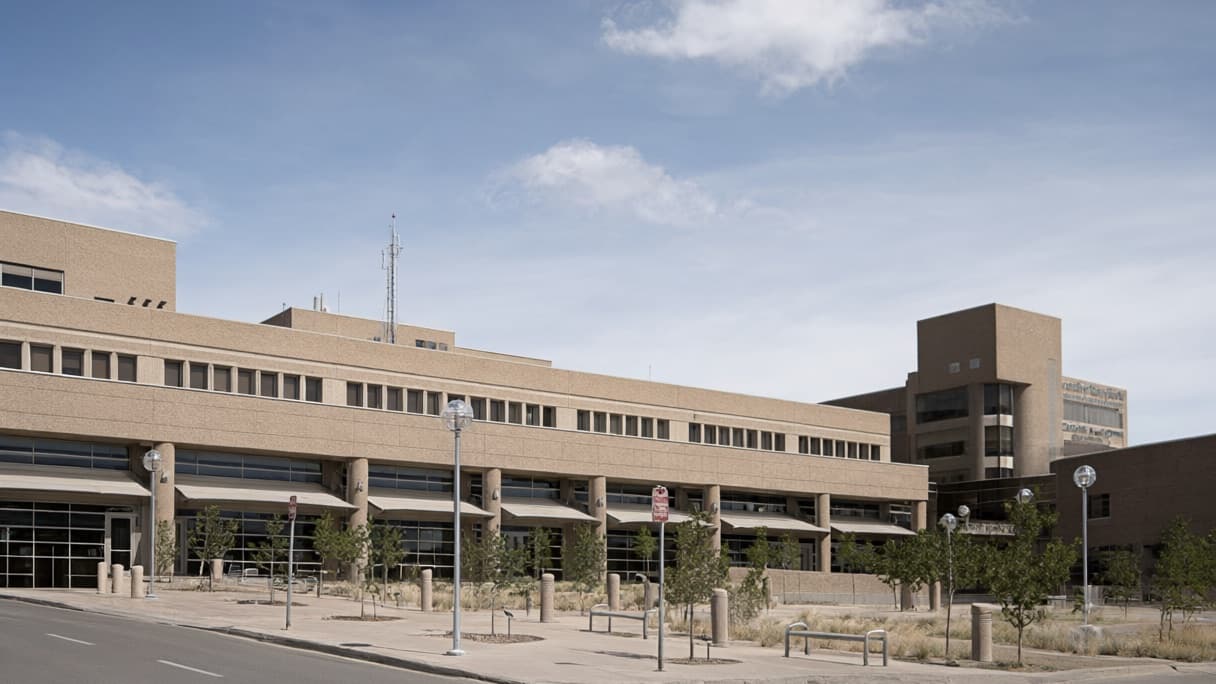
AI-generated image · US National Wire
A cybersecurity event at the University of New Mexico's Health Sciences Center underscores how digital dependencies can instantly paralyze critical patient care.
The recent collapse of systems at the University of New Mexico (UNM) Health Sciences Center serves as a sobering case study in the volatility of modern health infrastructure. When a "cybersecurity event" struck the center on Monday, Oct. 26, 2026, the result was not merely a digital glitch, but a systemic failure that forced the immediate diversion of ambulances to other facilities in Santa Fe and Albuquerque.
As first reported by The Register, the university's response was swift and drastic. At 14:30 local time on the day of the attack, UNM canceled all remaining clinics and classes, dismissing all personnel except for clinical and critical staff. The disruption extended into the academic realm, with classes across the pharmacy, nursing, and medicine faculties canceled for two consecutive days.
While UNM Health hospitals eventually resumed accepting patients, the recovery process has remained phased. The university stated that its information technology security teams acted to contain the event and protect the network, while leadership activated an Emergency Operations Center to coordinate guidance for frontline providers, students, and employees. The university also notified federal and state law enforcement and brought in external partners for the investigation.
***
**Opinion: The Vaporware of 'Resilience'**
In the biotech and health tech sectors, we often hear promises of "resilient" and "scalable" systems. However, the UNM event reveals the reality: these systems often create a single point of failure. When the digital layer fails, the physical layer—the actual delivery of medicine—stops. The fact that ambulance diversions were necessary highlights that our reliance on integrated health tech has outpaced our ability to secure the underlying infrastructure.
***
Adding to the chaos is the opportunistic nature of the threat landscape. The Register reports that a group calling itself BYOD claimed responsibility for the attack on Monday afternoon. The group alleged a massive breach involving two Oracle databases, both Active Directory forests, and 36,000 machines. BYOD further claimed to have compromised internal emails and the personal data of every employee and student at the institution.
While The Register notes that the claims of cybercriminals are often unreliable, the group's track record includes a purported breach of Trump Mobile, the smartphone business of the U.S. president, where data for 3,615 customers was allegedly leaked. Another group, EndZone, had claimed a similar breach of Trump Mobile a week prior, leading some experts to suggest the two groups are the same entity.
UNM has not commented on the specific nature of the attack or the validity of BYOD's claims, with a spokesperson directing inquiries back to the university's public statement. Regardless of who is responsible, the event proves that in the current health tech ecosystem, a digital breach is a patient safety crisis.