
The Evenepoel Standard: Redefining the Time Trial Blueprint

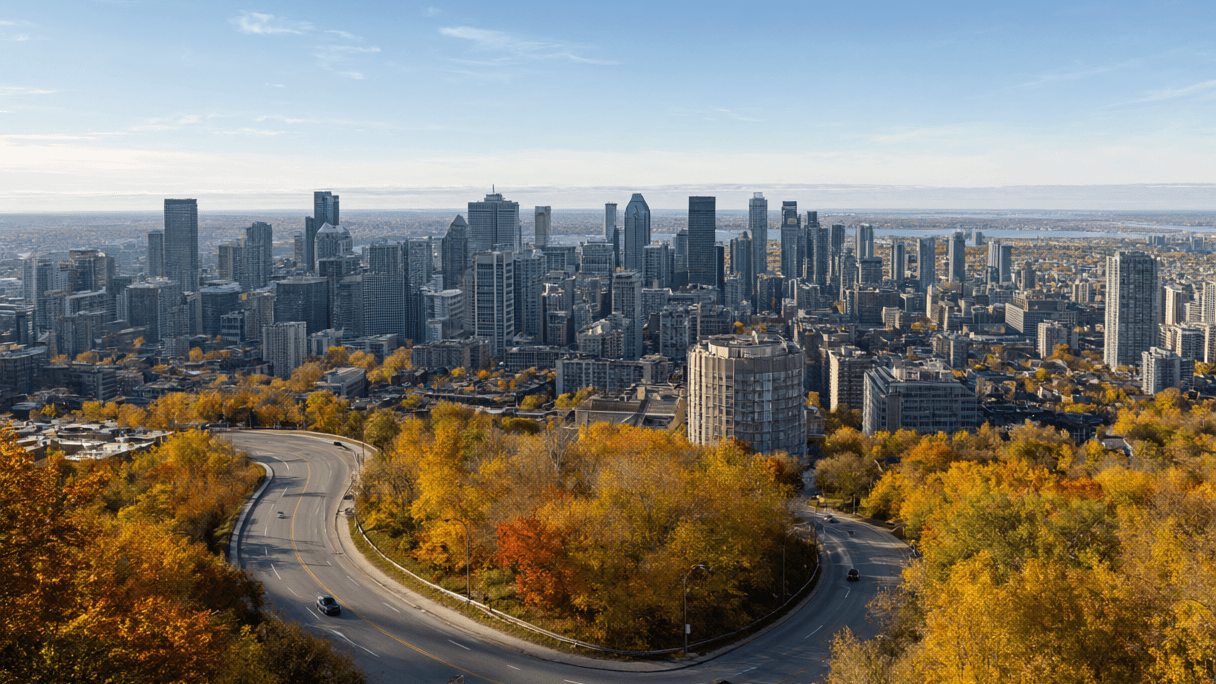
AI-generated image · US National Wire
With a historic fourth consecutive world title, Remco Evenepoel is shifting the physiological expectations for the next generation of racers.
In the world of elite cycling, the time trial is often described as a race of margins. However, Remco Evenepoel is no longer operating on the margins; he is operating in a different stratosphere.
By securing his fourth successive men’s world time-trial victory in Montreal on Sunday, as The Guardian first reported, the 26-year-old Belgian has done more than just add to his trophy cabinet. Evenepoel has now equaled the record for total titles held by Swiss rider Fabian Cancellara and Germany’s Tony Martin. More impressively, he is the first man to win the discipline four times in a row.
**Opinion: The New Physiological Blueprint**
From my perspective as a tracker of these four-year Olympic cycles, Evenepoel isn't just winning races; he is rewriting the physiological blueprint for the modern time trialist. The hallmark of his dominance is not just raw power, but a terrifying ability to sustain and increase his pace while rivals fade.
In Montreal, the 39.2km (24.4 mile) route served as a laboratory for this efficiency. According to The Guardian, Evenepoel established a lead of more than 30 seconds by the second intermediate time check. While other riders struggled with pacing, Evenepoel never stopped increasing his lead from start to finish. He ultimately beat second-place finisher Filippo Ganna of Italy by nearly a minute.
Contrast this with the performance of the field. Jakob Soderqvist, the previous under-23 champion, matched Evenepoel at the first two time checks but collapsed over the final 10km to finish fifth. Even Ganna, a perennial powerhouse, started slowly and sat in 10th place at the first check. Even the teenager Paul Seixas, who took third, only found his rhythm in the final 10km. Evenepoel's ability to maintain a relentless, escalating tempo suggests a level of aerobic conditioning and pacing precision that will become the mandatory benchmark for any future Olympic hopefuls.
This victory caps a career-best season for the 2024 Olympic champion. Beyond the clock, Evenepoel has dominated the road, winning the Grand Prix deQuébec, Clásica San Sebastián, and the Amstel Gold Race, while finishing second to Tadej Pogacar at the Tour de France.
Perhaps most daunting for his competitors is the consistency. The Guardian reports that Evenepoel has not lost a single time trial since the 2025 Tour de France. In a sport where mechanical failures or off-days are common, Evenepoel has turned the most volatile discipline in cycling into a predictable exercise in Belgian dominance.