
The Disney Fire Sale: How Mickey Just Bought the Future of AI on a Bankruptcy Discount

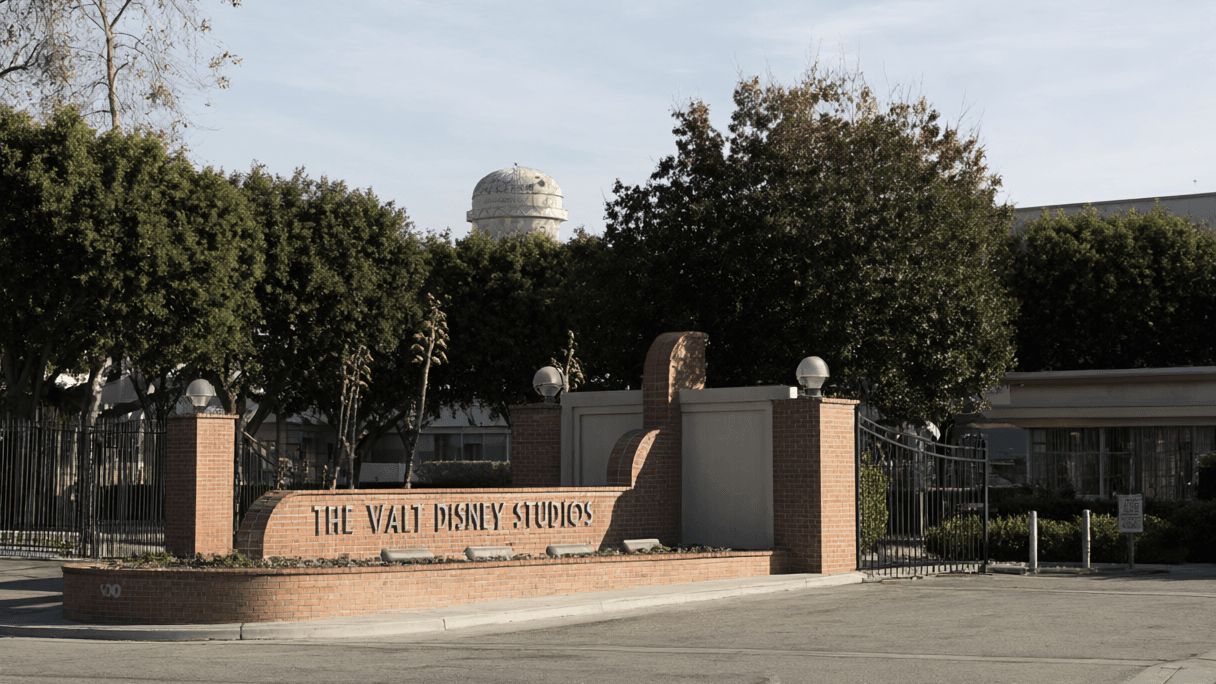
AI-generated image · US National Wire
Opinion: By absorbing Character.AI's talent and assets through a stalking horse bid, Disney is bypassing a failed valuation to secure generative AI capabilities at a fraction of the cost.
In the world of platform monetization, there is no greater victory than acquiring a competitor's intellectual capital after the market has already broken their spirit. Disney is currently executing a masterclass in this strategy.
To the casual observer, the news that Disney is hiring the majority of the workforce from the bankrupt chatbot startup Character.AI—as first reported by TechCrunch—looks like a benevolent rescue mission. In reality, it is a calculated talent acquisition fire sale. Disney isn't just hiring engineers; they are integrating generative AI capabilities without having to pay a premium for a company whose valuation has effectively collapsed.
According to reporting from TechCrunch, Disney has agreed to acquire certain assets from Character.AI for a mere $20 million. To put that in perspective, Disney is also agreeing to make employment offers to at least 60 Character.AI employees—which TechCrunch notes represents the majority of the startup's workforce. The estimated annual compensation for these hires is roughly $60 million.
When you look at the math, the strategy becomes clear. Disney is spending more on the annual payroll of these employees than they are paying for the company's actual assets. By stepping in after Character.AI filed for bankruptcy, Disney has avoided the 'AI bubble' premiums that would have plagued a deal just a few years ago. They are getting the brains and the tech on a liquidation schedule.
This isn't a random hiring spree; it's a structural integration. The most telling detail is the appointment of Karandeep Anand, the former CEO of Character.AI, as Disney's first-ever Chief Technology Officer, as reported by TechCrunch. By placing the former head of a generative AI startup in the C-suite, Disney is signaling that these capabilities are no longer a side project—they are the core of the company's technical roadmap.
However, the deal is not without its risks, and Disney is pricing those risks into the bargain. TechCrunch reports that a legal filing revealed Character.AI has been hindered by high operational costs, as well as regulatory engagement and potential litigation-related liabilities. Most notably, the startup was sued by the mother of a 14-year-old boy who claimed her son became obsessed with a chatbot before committing suicide, and the company is facing government investigations regarding child safety.
By structuring this as a stalking horse bid—meaning another company could still emerge with a higher offer—Disney is playing a game of chicken with the bankruptcy court. They have set the floor, but they have also ensured they are the first in line to scoop up the remains of a company that had a "large and engaged user base" but couldn't figure out how to scale safely or profitably.
From a monetization perspective, this is a brilliant pivot. Disney possesses the world's most valuable IP library. Character.AI possessed the technology to make that IP interactive and conversational. By absorbing the talent and the assets during a bankruptcy proceeding, Disney is essentially buying the engine to power a new era of interactive entertainment without paying the 'innovation tax' that usually accompanies AI startups.
Disney is not saving Character.AI; they are harvesting it. They have identified the exact point of maximum leverage: the moment when the talent is desperate for stability and the assets are stripped of their speculative value. For the "vast majority" of Character.AI employees who have already accepted Disney's offers, as noted in the legal filing cited by TechCrunch, the move provides a lifeline. For Disney, it provides a shortcut to AI dominance in the entertainment sector at a discount that would make any venture capitalist blush.