
The Desperation of the Draw: Detroit's Final Stand and the 2027 Draft Lottery

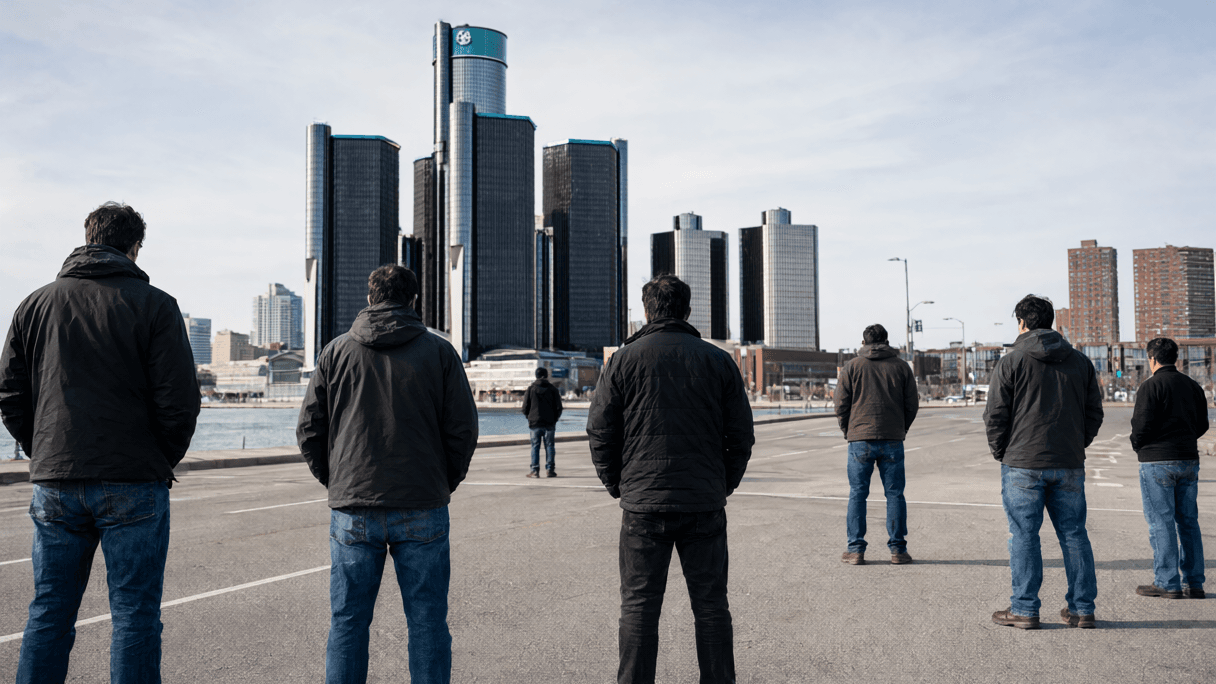
AI-generated image · US National Wire
As the Detroit Tigers close out a disappointing 2026 campaign, the fight for draft positioning mirrors the high-stakes chaos of an NHL trade deadline.
OPINION: As a guy who lives for the NHL trade deadline, I find the sheer chaos of draft lottery manipulation to be the only thing in professional sports that mirrors the desperation of a GM trying to flip a roster. There is a specific kind of tension when a front office is weighing the value of a win against the long-term utility of a high pick, and that is exactly the tightrope the Detroit Tigers are walking right now.
As Sports Illustrated first reported, the Detroit Tigers entered the final four games of their 2026 season without any hope of reaching the postseason, yet the results of those games carry measurable consequences for the 2027 MLB draft. After a 3-1 loss to the Washington Nationals on Tuesday, Detroit fell to a 74-84 record. With one remaining game against Washington and three scheduled against the Pittsburgh Pirates, the Tigers are fighting for a lottery position that could determine their access to a top-six selection.
While the stakes aren't as loud as a playoff race, the implications are tangible. Sports Illustrated notes that Tankathon listed Detroit in the No. 11 lottery position following Tuesday's games. While these figures are unofficial and subject to change until all eligible clubs finish their schedules, Tankathon's projections gave the Tigers a combined 15.8% chance of securing one of the first six picks. Specifically, the projections listed a 1.6% probability for the No. 1 overall pick and a 4.2% probability for the sixth spot.
Under the MLB draft lottery system, as explained in an official draft-lottery overview cited by Sports Illustrated, the first six picks are decided via a weighted drawing. For the clubs that do not make the playoffs and miss the top six, the order is generally determined by regular-season records, though this is subject to revenue-sharing status and rules regarding consecutive lottery selections.
Detroit's final record is projected to land anywhere between 74-88 and 78-84. While that range seems narrow, Sports Illustrated reports that several non-playoff teams are close enough in the standings that a single victory or loss could shift the order. Moving down from the No. 11 spot would decrease the Tigers' odds of landing in the top six, while staying put or climbing higher would increase the value of their first-round asset. Beyond just the quality of the prospect, a higher selection provides the Tigers with a larger signing-bonus allotment, offering more flexibility during the draft process.
Despite these lottery implications, Sports Illustrated reports that the Tigers have no reason to stop competing. Manager A.J. Hinch is not managing games based on hypothetical odds, and the lottery system itself is designed to reduce the incentive for a deliberate late-season collapse by preventing the worst record from automatically taking the first pick. Furthermore, the organization is using these final games to evaluate young talent, including John Peck, Kevin McGonigle, and Jace Jung, while veterans continue to chase contractual and professional incentives.
In the end, the final week of the season is more consequential than the standings suggest. For the Tigers, it is a balancing act: pursuing wins for the sake of development and professionalism, while knowing that every single result could shift their destiny in the 2027 draft.