
The Cost of Cheapness: Green Bay's Running Back Hesitation is a Recipe for December Disaster

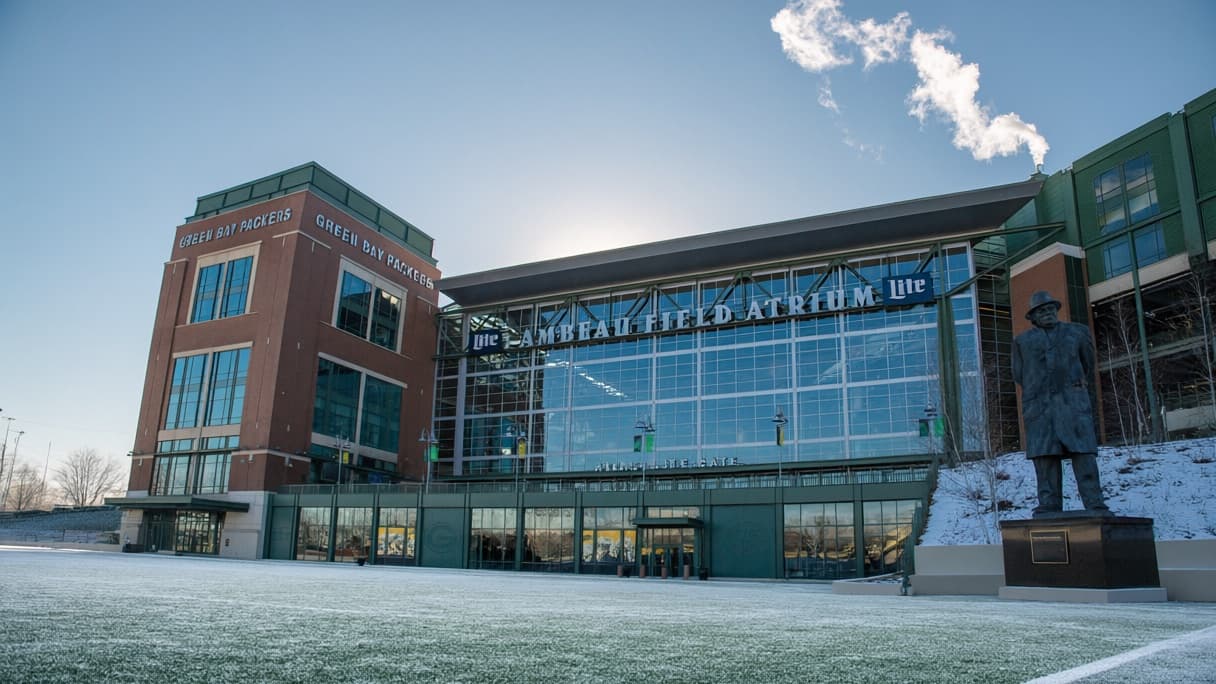
AI-generated image · US National Wire
OPINION: By balking at the asking price for a starting running back, the Packers are gambling with their postseason hopes.
Let's be clear: this is my opinion, and I'm shouting it from the rooftops before the frost sets in at Lambeau.
As first reported by Yahoo Sports via NFL Rumors, the Green Bay Packers' current state of the backfield is not a strategic masterclass in salary cap management; it is a dereliction of duty. According to that reporting, the Packers actively pursued a trade for a starting running back but ultimately balked when the other club demanded a high asking price.
In the NFL, there is a profound difference between being fiscally responsible and being cheap. To refuse to pay the premium for a bell-cow back in a league where attrition is the only certainty is not a 'smart business move'—it is a surrender.
As NFL Rumors reports, the Packers had the opportunity to secure a starting-caliber talent to anchor their ground game. Instead, they stared at the price tag and blinked. In doing so, they have left their offense exposed. We have seen this movie before: an offense that looks competent in October but finds itself dead in the water come December because they lack the physical presence required to grind out clock and protect a lead in the freezing cold of Wisconsin.
If you cannot afford to pay the market rate for a starting back when the opportunity arises, you are essentially admitting that you are comfortable with mediocrity. The decision to walk away from these trade negotiations, as detailed by NFL Rumors, suggests a front office more concerned with the ledger than the scoreboard.
Football is a game of leverage. A dominant running back provides that leverage, forcing defenses to stack the box and opening up the entire passing game. By refusing to pay the premium, Green Bay has signaled to the rest of the league that they are unwilling to do whatever it takes to secure a championship-caliber roster.
When the playoffs arrive and the Packers are staring down a third-and-short in a game that boils down to toughness and yardage, they won't be thinking about the draft capital or the cash they saved. They will be thinking about the starting back they almost had. This isn't just a missed opportunity; it's a failure of leadership. Green Bay is playing a dangerous game of chicken with their own success, and the cost of this hesitation will be paid in losses.