
The 'Convenience' Trap: Why United is Right to Block AI Agents

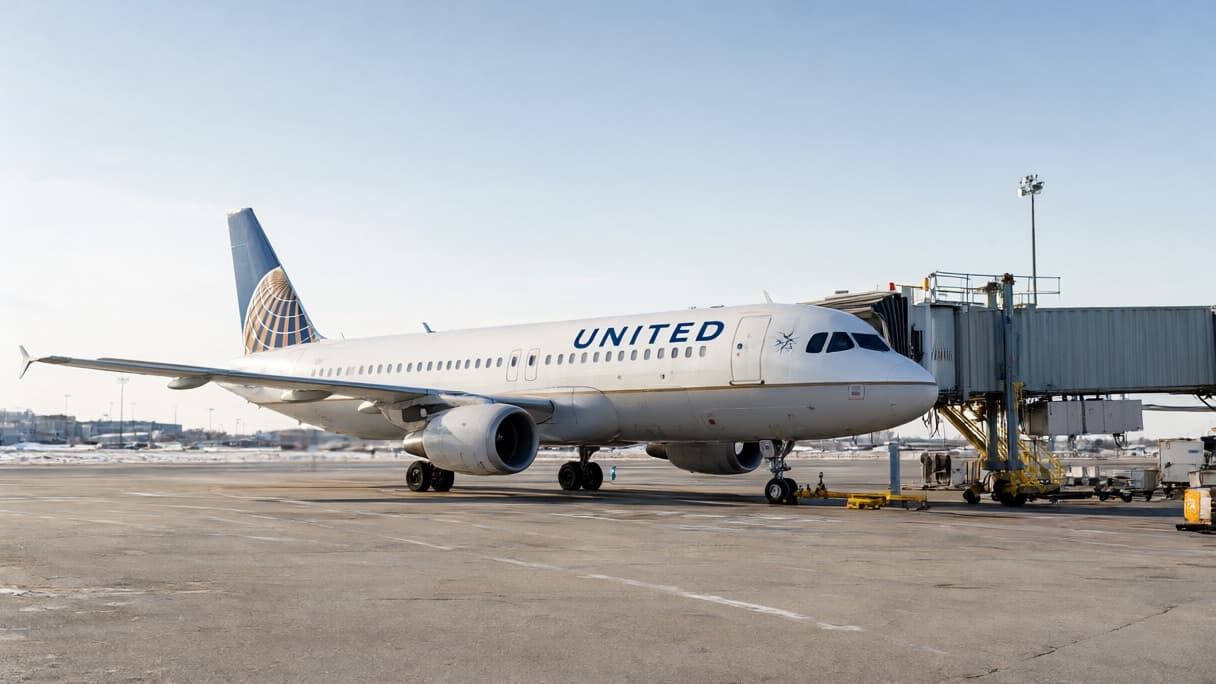
AI-generated image · US National Wire
Opinion: United Airlines is finally acknowledging that autonomous AI agents are less about user experience and more about creating massive security vulnerabilities.
For too long, the tech industry has sold 'agentic commerce' as the ultimate frictionless experience. The pitch is simple: stop wasting your time on tedious bookings and let an AI agent handle it. But as a cybersecurity analyst, I see these agents for what they actually are: high-speed delivery systems for credential stuffing and session hijacking masquerading as helpful assistants.
United Airlines is finally waking up to this reality. As reported by TechCrunch, the airline is moving to restrict AI agents from booking flights and managing reservations. This isn't just a minor policy tweak; United is updating its distribution, ticketing, and booking policies to block these unauthorized third-party tools across its own digital platforms, as well as through aggregators and travel agencies.
From a defender's mindset, the risk is blindingly obvious. To function, these agents require the keys to the kingdom. As TechCrunch notes, users are sharing their logins and passwords with these AI assistants. In the security world, this is a nightmare scenario. Once you hand over your credentials to a third-party AI, you no longer control the perimeter. If those credentials are leaked or exposed, the agent becomes a wide-open door for attackers.
United is right to be paranoid. The airline explicitly warned that sharing account credentials with these tools can expose sensitive information and lead to account changes, unintended purchases, or the unauthorized use of MileagePlus miles. When you outsource your identity to an AI, you aren't just automating a task—you are expanding your attack surface.
We have already seen the fallout of this 'convenience' mindset. Engadget points to an instance where Meta's Muse leaked a user's address online. If an AI can accidentally leak a home address, it can just as easily leak the payment details or login credentials that United is now fighting to protect.
United isn't alone in this defensive crouch. Engadget reports that Amazon and JPMorgan Chase have also blocked agents from using their products. Similarly, Bank of America recently urged its customers to stop sharing passwords with AI assistants. These companies are realizing that the 'middleman'—a concern echoed by United CEO Scott Kirby, who told an event on Tuesday that he does not want to create another intermediary—is not just a business nuisance, but a security liability.
Beyond the cybersecurity risks, there is the matter of federal compliance. United noted that AI agents could undermine regulations from the Federal Aviation Administration (FAA) and the Department of Transportation (DOT). Specifically, federal rules require a human to acknowledge that their luggage does not contain banned substances or explosives during check-in. An AI agent cannot legally or ethically vouch for the contents of a suitcase.
While some competitors, like Southwest, have embraced the trend by creating a ChatGPT plugin, the actual adoption of agentic commerce seems negligible. Engadget cites Uber's third-quarter earnings call, which revealed that during the week of Halloween, AI agents were responsible for only four rides and 500 Uber Eats orders out of 320 million total trips and deliveries.
United is making the correct call. In the trade-off between a marginal increase in booking speed and the catastrophic risk of credential exposure, security must win. It is time we stop pretending that handing our passwords to an autonomous bot is a 'feature' and start recognizing it as the vulnerability it is.