
The Cold Storage Myth: When Your Hardware Wallet is a Trojan Horse

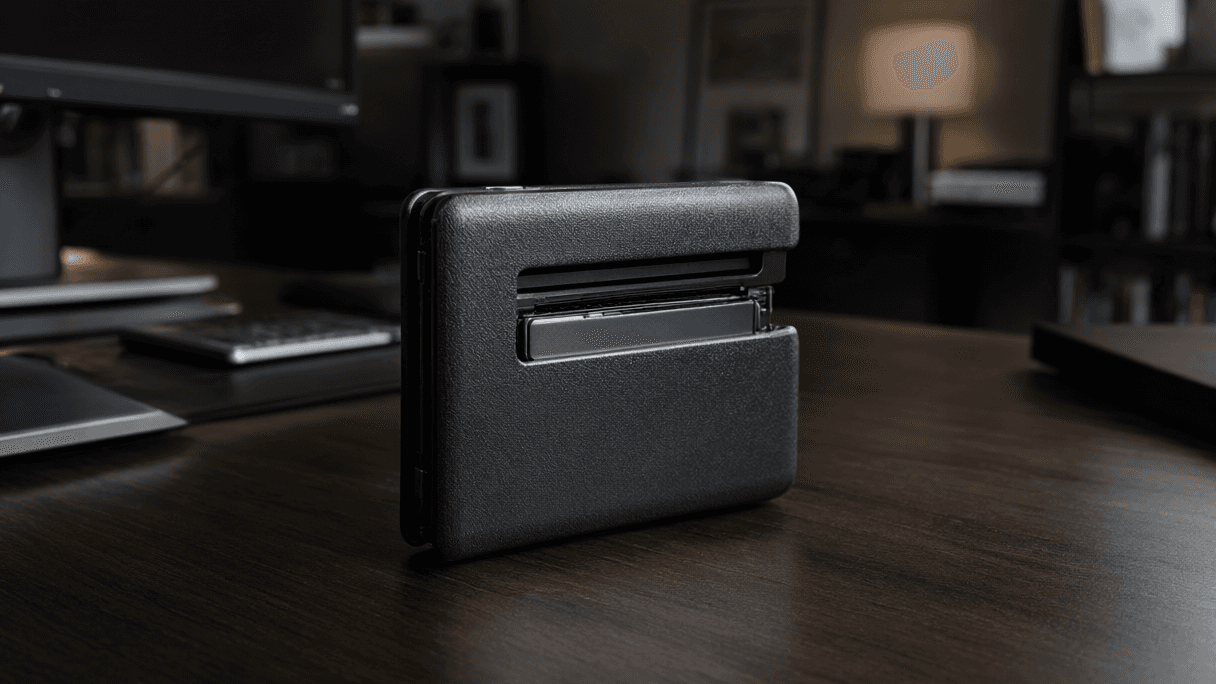
AI-generated image · US National Wire
An $86 million supply chain attack targeting Ledger devices via a reseller proves that 'offline' is only as secure as the person who shipped the box.
*(Opinion)* Let's stop pretending that 'cold storage' is a magic shield. The industry sells the idea that moving your assets to a hardware wallet removes you from the line of fire, but that logic only holds if you can actually trust the physical object in your hand. When the supply chain becomes a black box, your security is an illusion.
Reporting from The Verge reveals a brutal reminder of this reality. As The Verge first reported, a suspected supply chain attack has seen over $86 million in cryptocurrency stolen from hundreds of wallets. The target? Users of Ledger hardware wallets, specifically those who purchased through a reseller known as CryptoBillis.
According to The Verge, the breach isn't a failure of Ledger's internal systems or a software exploit. Instead, it is a physical compromise. Ledger has confirmed that at least one affected device contained an "unauthorized hardware implant." Evidence shared on Threads and X shows a miniature circuit board positioned beneath the device's screen.
The mechanism is elegantly devastating. The implant is designed to intercept data displayed on the screen—most critically, the seed passphrase generated during the initial setup. The hardware then utilizes an embedded SIM card to transmit that sensitive data directly back to the attackers, who can then drain the accounts.
While The Verge notes there is no evidence that wallets bought directly from Ledger were affected, the fallout is concentrated among users in Southeast Asia and those who bought from CryptoBillis. Ledger has since requested that CryptoBillis halt all wallet sales while an investigation continues.
For the average user, this is a nightmare scenario. You follow the protocol, you buy the 'secure' hardware, and you believe your funds are offline. But if the device is tampered with before it even reaches your desk, the 'cold' storage is actually a direct pipeline to a thief. Ledger has issued guidance on how to check for tampering, but the damage for hundreds of users is already done.
This isn't a failure of cryptography; it's a failure of trust in the physical world. If you can't verify the integrity of the hardware, the seed phrase is just a password you're handing to a stranger.