
The Cold Chain Blind Spot: Why Your Freezer's IoT is a Margin Killer

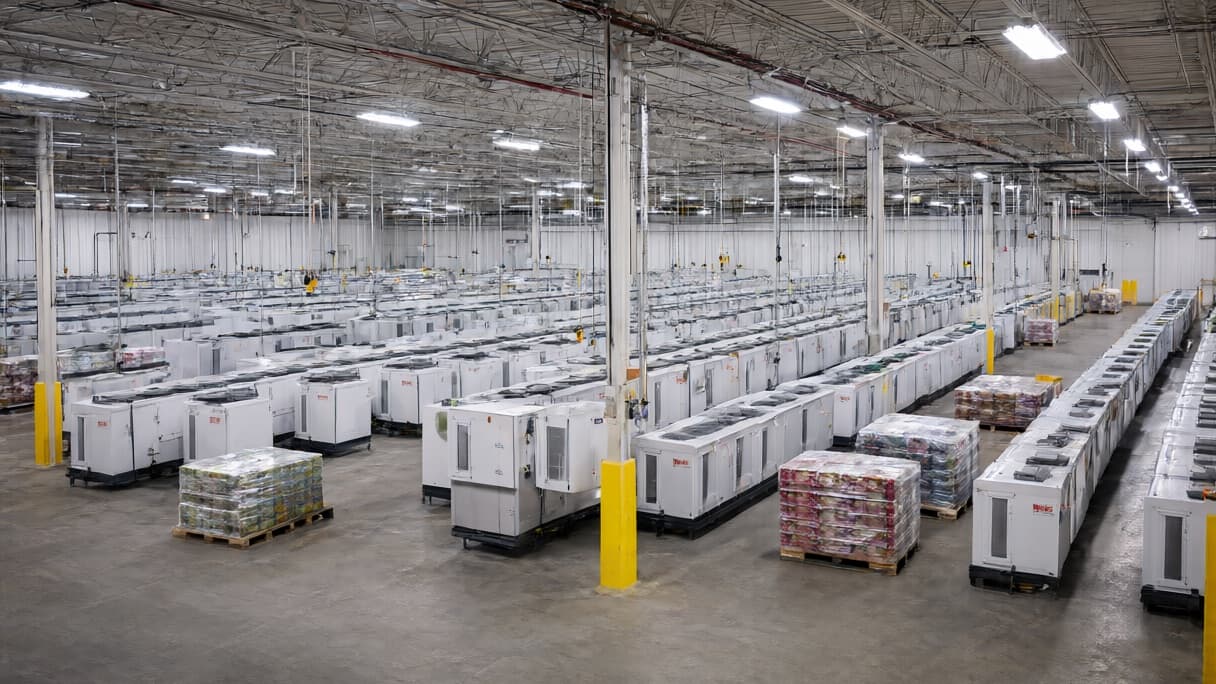
AI-generated image · US National Wire
Opinion: Retailers treat refrigeration as a 'set and forget' utility, but recent global hacks prove that neglected infrastructure is now a direct threat to inventory and safety.
For too long, the retail industry has viewed cold-chain infrastructure as a static utility—something you install, calibrate, and then ignore until a compressor fails. We treat the internet-connected sensors and remote-control systems in our freezers as invisible conveniences. But the recent wave of cyberattacks targeting industrial refrigeration proves that this 'set and forget' mentality is no longer just a maintenance risk; it is a direct threat to inventory margins and operational viability.
As a commerce operator, I see the writing on the wall. When your cooling systems are connected to the web, they aren't just appliances; they are endpoints. And as the U.S. government recently warned, as TechCrunch first reported, those endpoints are being actively exploited.
According to reporting from TechCrunch, the FBI, the Cybersecurity and Infrastructure Security Agency (CISA), and several other federal departments issued a joint statement warning of an "ongoing cyber threat" aimed at internet-connected refrigeration and cold chain monitoring systems. This isn't a theoretical vulnerability. TechCrunch reports that several waves of attacks have already hit the United Kingdom and Europe, affecting at least a dozen countries. The result? Hackers cranked up the temperatures on chilling units and freezers, leading to the destruction of produce and the spoiling of defrosted food.
From a margin perspective, this is a nightmare. In retail, inventory is the primary asset. When a hacker can remotely trigger a defrost cycle or raise the temperature of a warehouse, they aren't just stealing data—they are deleting your physical stock. CISA’s acting cybersecurity chief Chris Butera stated that every organization relying on these systems should assume they are a target. This is a wake-up call for any operator who thinks their refrigeration is too boring to be hacked.
What makes this particularly alarming is the role of vendor neglect. TechCrunch notes that some of the affected systems included remote-controlled units from the Danish company Danfoss, which had ceased providing security updates to customers' freezers. This is the quintessential 'set and forget' trap. Retailers buy the hardware, trust the vendor for the lifecycle, and then find themselves running critical infrastructure on unsupported, vulnerable software. When the vendor stops patching, the retailer is the one left holding the spoiled inventory.
The scale of these attacks suggests a level of sophistication that extends far beyond grocery stores. TechCrunch reports that the U.S. Department of Defense is investigating hacks targeting military freezers (originally reported by Signal and Silence), and a blood bank in France saw its refrigerated units boost temperatures, though the attack was stopped before blood stores were compromised. While the U.S. government has not officially attributed the hacks to a specific entity, TechCrunch reports that security researchers and U.S. officials believe Iran is the most probable actor.
Beyond the immediate loss of inventory, the physical risks are staggering. The joint government statement warned that successful exploits could lead to fire hazards and a reduction in the overall service life of the refrigeration systems. Furthermore, a separate fact sheet mentioned by TechCrunch warns that hackers may force units into continuous heating and defrost cycles, creating both equipment hazards and widespread inventory loss.
If you are a retail executive, you need to stop viewing your cold chain through the lens of facilities management and start viewing it through the lens of cybersecurity. The recommendations from CISA, the FBI, and the Departments of Transportation, Health and Human Services, and Agriculture are clear: remove remote control systems from the internet, strengthen passwords, apply all available patches, and—most importantly—retire equipment that is no longer supported by the vendor.
We cannot afford to treat the cold chain as a passive utility. In an era where a remote actor can wipe out a season's worth of produce or compromise critical medical supplies with a few keystrokes, infrastructure vulnerability is a business risk. It is time to audit the freezers, fire the unsupported vendors, and realize that the most dangerous gap in your e-commerce stack might be the one keeping your food cold.