
The Chaos Theory: Why Crossover Boxing is the New Olympic Spectacle

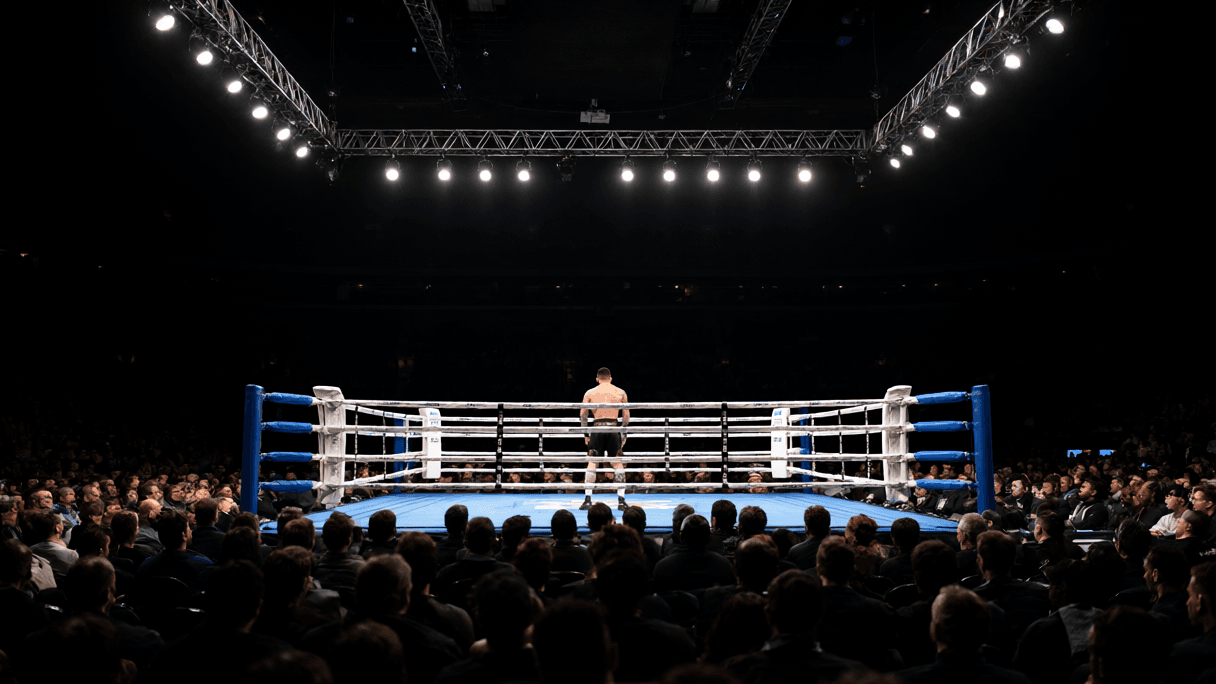
AI-generated image · US National Wire
Opinion: Purists may hate the circus, but the Misfits model is the only thing capturing the non-endemic audience the way the Olympics do.
As a columnist who spends most of her life tracking the four-year rhythm of the Olympic Games, I have become accustomed to the 'spectacle' model of sports—the kind of event that draws in millions of people who are captivated by the sheer noise and chaos of the moment.
Currently, as Yahoo Sports first reported, the crossover boxing circus is successfully mirroring this Olympic-style capture of non-endemic audiences. While purists scoff at the notion of personalities stepping into the ring without a lifetime of training, the model works because it prioritizes the event over the sport.
Take, for example, the upcoming Misfits Boxing card. The event features a clash between Joey Essex and Dapper Laughs, alongside the professional boxing debut of Plinio Cruz, known as the longtime coach of Alex Pereira.
To a boxing traditionalist, a card featuring reality stars and coaches is a punch to the gut. But to the casual viewer, it is a spectacle. This is exactly how the Olympics operate; they take niche disciplines and wrap them in a layer of celebrity and high-stakes drama to make them palatable to a global audience.
By focusing on personalities—like Essex and Laughs—Misfits Boxing isn't selling a technical masterclass; they are selling a narrative. When Plinio Cruz enters the ring for his debut, the draw is his association with a figure like Alex Pereira.
The crossover model understands that the modern audience doesn't want a textbook; they want a show. In the economy of attention, chaos is the only currency that scales as fast as the Olympic Games.