
The Bird Feeder Paywall: Hardware-as-a-Service Hits the Backyard

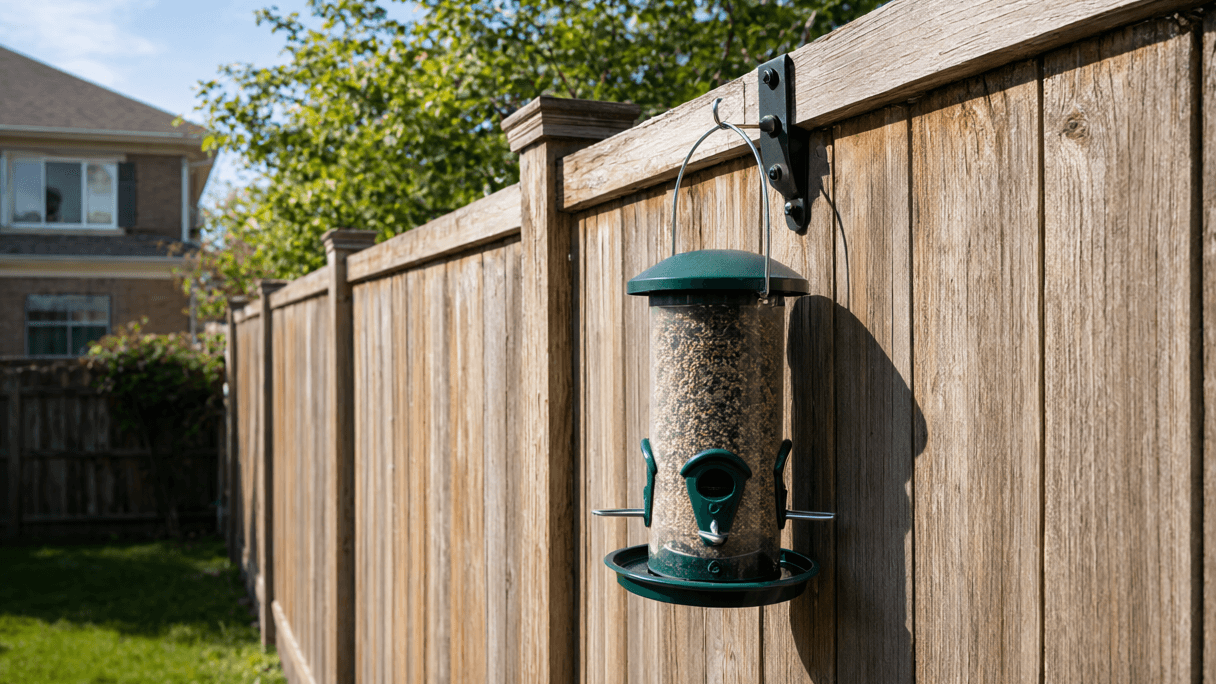
AI-generated image · US National Wire
Kiwibit's latest smart feeder offers top-tier optics, but locks the actual utility behind a recurring subscription fee.
I have seen this movie before. The playbook is always the same: sell a piece of high-end hardware at a premium, then tell the customer that the features making the device useful are actually a monthly service. It is the 'hardware-as-a-service' grift, and it has officially reached the bird feeder.
As Wired first reported, the latest offender is the Kiwibit Bird Feeder 2 Pro. On paper, the engineering is impressive. According to Wired gear reviewer Kat Merck, the device features phase detection autofocus (PDAF) in 4K HDR, making it one of the most capable hardware offerings in the smart feeder market. It is a significant leap from Kiwibit's previous models, the Beako and the Feeder 2, specifically regarding image quality and the integration of a standard 5-watt solar panel.
But here is the rub: the hardware is only half the story. While the Feeder 2 Pro carries an MSRP of $290, the experience is heavily gated. To get any real value out of the device, users are pushed toward 'Kiwibit Plus' (also called 'Premium Family' or 'Family Premium'), a subscription costing $90 a year.
Without that annual fee, the user is left with a 'bare-bones' feed of video captures. There is no AI identification to sort the footage, meaning the user has to manually scrub through every single clip to find something interesting. Wired notes that this is particularly tedious when the same bird visits 15 times a day, especially since the camera placement often results in thumbnails that only show the top of a bird's head.
In a market where other brands like Birdbuddy and Birdfy exist, Kiwibit is attempting to monetize the very act of observing nature. For $90 a year, you get AI ID, 60-day cloud recording, and various gallery views. The irony, as reported by Wired, is that the AI ID is frequently wrong. In testing in western Washington state, the app identified birds that do not exist in that region—including mangrove warblers, red fox sparrows, and Cape May warblers—and even mistook a common crow for a rare pileated woodpecker.
Even the 'premium' experience is clunky. Wired describes the app interface as 'chaotic,' with fragmented views for 'Birds,' 'Feeds,' and 'Live' captures, making it difficult for users to simply see which birds visited their yard in a single day.
At a $290 price point, most competitors include a lifetime subscription. Kiwibit, however, has decided that the hardware isn't enough; they want a recurring slice of your hobby. It is a classic VC-funded play: maximize the lifetime value of the customer by turning a physical product into a subscription service. When the AI can't even tell a crow from a woodpecker, the 'service' part of the equation feels less like a feature and more like a tax on the outdoors.