
The AI Build-Out's Brutal Reality Check

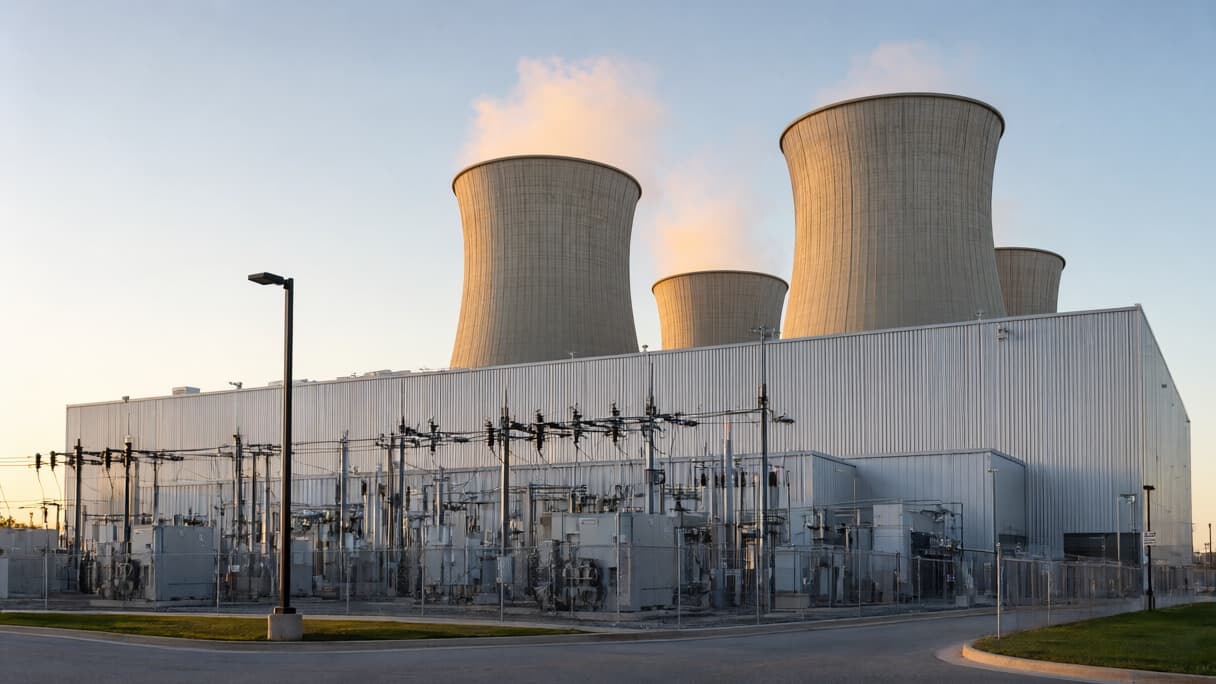
AI-generated image · US National Wire
As tech giants pour nearly a trillion dollars into hardware, the market is shifting its focus from speculative growth to the tangible costs of deployment.
For years, the narrative surrounding artificial intelligence has been one of limitless potential and skyrocketing valuations. But as we move into late 2026, the market is finally waking up to a pragmatic truth, as first reported by the BBC: the promise of AI is nothing without a scalable, sustainable strategy to power the hardware. We are moving out of the era of funding rounds and into the era of deployment, and the price tag is staggering.
According to reporting from the BBC, the industry is facing a massive capital expenditure hurdle. Five of the world's largest tech players—Meta, Alphabet, Oracle, Amazon, and Microsoft—have committed to a combined spend of $800.6bn in 2026 alone. This isn't just software development; it is a physical build-out. Amazon, for instance, has committed $220bn this year toward servers, network equipment, and AI data centers.
***Opinion:*** *In my view, the current market volatility isn't just about a 'bubble'—it's about the realization that AI requires a physical infrastructure that is exponentially more expensive and energy-intensive than the cloud services that preceded it. The 'growing pains' cited by analysts are actually the friction of trying to scale a power-hungry technology in a world of finite resources.*
The financial markets are already reacting to this friction. The BBC reports that the Nasdaq index sank over 3.5% recently, while Intel's shares plummeted as much as 30%. Intel's finance chief, David Zinsner, noted in a third-quarter earnings report that the company does not expect to bring in more cash than it spends this year, even as it ramps up investment in equipment.
Investors are no longer satisfied with promises; they want to see the payout. Kathleen Brookes, research director at XTB, told the BBC that investors have 'turned ruthless,' punishing companies that show any sign of disappointment in their third-quarter earnings. This shift is evident in the carnage seen with Alphabet, which saw its stock market value plunge by more than $500bn after revealing that its own AI summaries were eating into its core search advertising revenue.
As Chris Low of FHN Financial told Reuters, these companies are experiencing significant growing pains during an aggressive AI build-out. The risk is no longer just about whether the software works, but whether the cost of the data centers and the energy required to run them will outweigh the revenue they generate. If the industry cannot solve the scalability and cost problem of its physical infrastructure, the 'AI trade' may indeed have passed its peak.