
SpaceX Moves In-House on Turbine Casting to Bypass Supply Oligopoly

AI-generated image · US National Wire
Elon Musk is establishing a secret foundry in Texas to produce critical gas turbine components, targeting a reduction in lead times and supplier dependency.
Elon Musk has confirmed, as TechCrunch first reported, that SpaceX is constructing a secret foundry in Bastrop, Texas, to manufacture turbine blades and vanes in-house. According to reporting from The Information, the facility is located on approximately 830 acres purchased by SpaceX between March and June, a detail corroborated by job listings and findings from due diligence specialist Corey Trinetti.
Musk stated on X that in-house casting could accelerate the deployment of natural gas turbines by up to 18 months. This move addresses a critical bottleneck in AI infrastructure; while GPU shortages persist, the physical power grid has become a primary constraint. GE Vernova has reportedly sold out of production capacity through 2030 due to demand from hyperscalers such as Microsoft, OpenAI, Meta, Google, and Amazon.
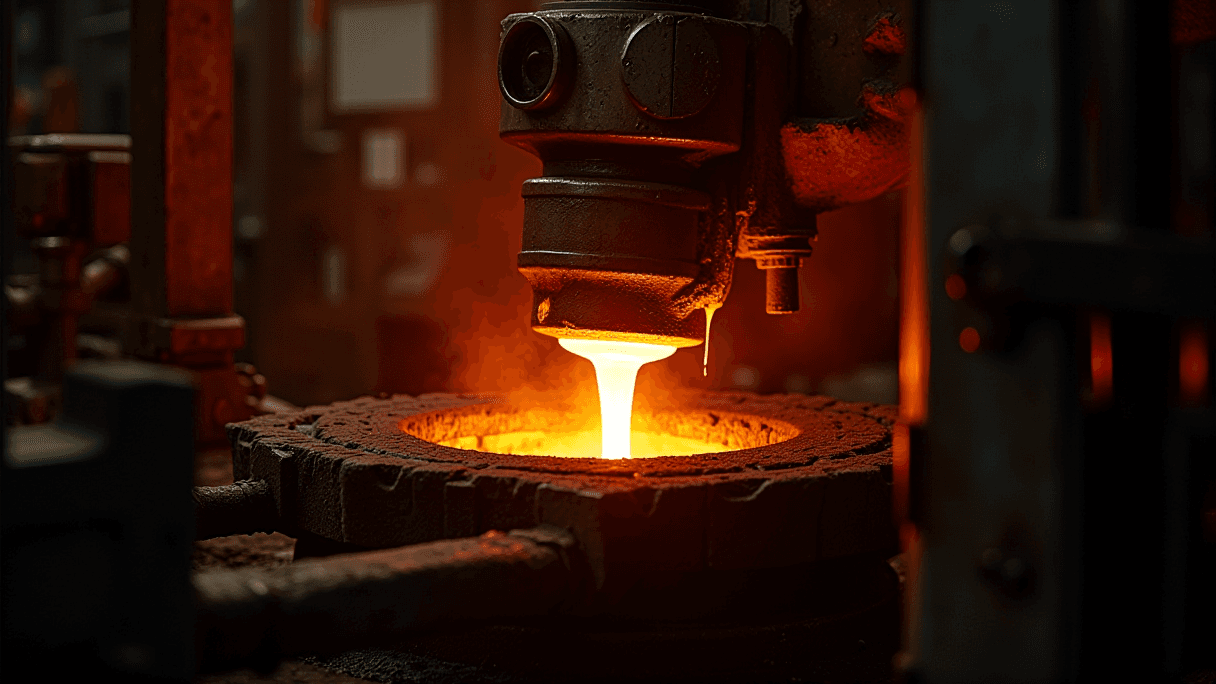
The technical difficulty of the components creates a high barrier to entry. The Information reports that turbine blades must be cast as single, unbroken crystals to withstand temperatures between 3,000 and 3,600 degrees Fahrenheit. Currently, only four companies globally possess the industrial-scale capability to produce these parts, leaving the rest of the AI industry dependent on a small oligopoly.
By vertically integrating this process, SpaceX aims to secure a manufacturing advantage that non-manufacturing competitors cannot easily replicate. However, the push for rapid gas turbine deployment has drawn scrutiny. TechCrunch reports that in Memphis, the NAACP has accused SpaceXAI of operating turbines for its Colossus data centers without required federal permits or pollution controls, citing risks of respiratory disease and cancer.