
SpaceX Hits Key Reusability Milestones in Starship Flight 13

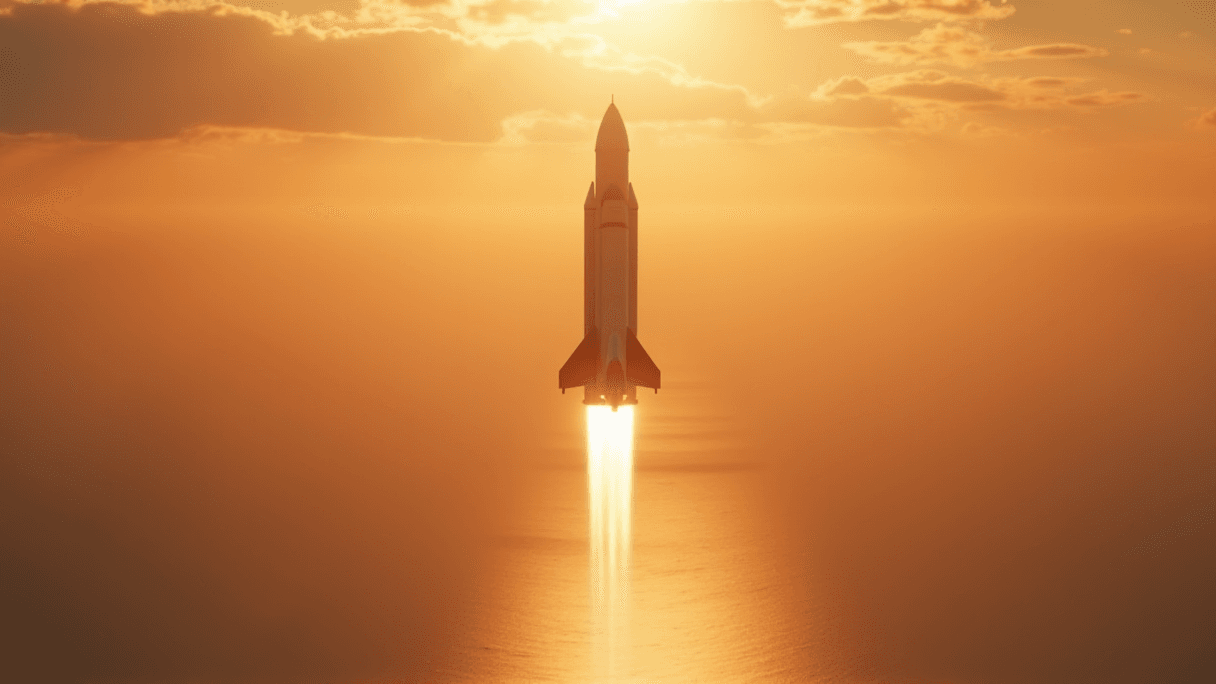
AI-generated image · US National Wire
An intact splashdown and heat shield data bring SpaceX closer to rapid-turnaround orbital infrastructure.
SpaceX's 13th Starship test flight, which launched from Starbase, Texas, on July 24, 2026, provided critical data on the vehicle's ability to withstand reentry. According to reporting from Ars Technica, the spacecraft achieved a controlled splashdown in the Indian Ocean, remaining intact and floating. This allowed SpaceX engineers to use drones to inspect more than 18,000 ceramic heat shield tiles that endured temperatures reaching 2,600° Fahrenheit.
Dan Huot, a SpaceX communications manager, described the intact landing as a "dream scenario" for gathering heat shield data, which is essential for achieving rapid turnarounds without needing to replace tiles after every flight. The mission also included the deployment of 20 Starlink V3 satellites, six of which were used to observe the heat shield, as reported by The Register.
While the Starship upper stage succeeded, the Super Heavy V3 booster experienced a "hard splashdown" in the Gulf of Mexico. The Register reports that while all 33 engines completed the high-thrust boostback burn, only a subset of engines successfully ignited for the landing burn.
Despite the booster's failure, SpaceX CEO Elon Musk indicated that the company intends to attempt a tower catch with mechanical arms for the ship on the next flight, provided mission data review reveals no problems. Musk also expressed hope that the next test will see the Super Heavy booster caught by robot arms at Starbase to further improve reusability and turnaround times.