
Senate Weighs Bipartisan Push to Accelerate Energy Permitting

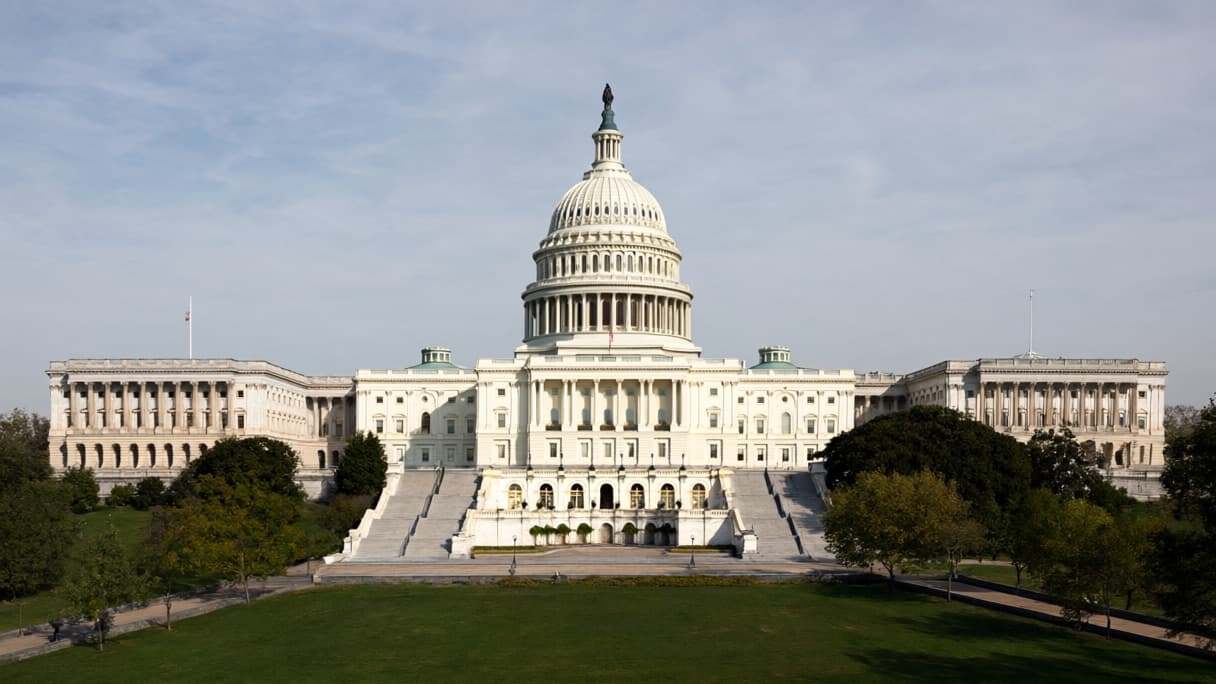
AI-generated image · US National Wire
The Bipartisan American Affordability and Jobs Act aims to slash project timelines, though critics warn it could reduce environmental oversight.
The U.S. Senate is preparing to vote on a significant permitting reform bill designed to accelerate the deployment of energy infrastructure, as first reported by The Verge. Introduced on September 30th by Senators Shelley Moore Capito (R-WV), Sheldon Whitehouse (D-RI), Mike Lee (R-UT), and Martin Heinrich (D-NM), the Bipartisan American Affordability and Jobs Act (BAAJA) seeks to reduce the time required for project approvals, which the Bipartisan Policy Center reports can now stretch into years or decades due to prolonged legal battles.
According to reporting from The Verge, the legislation aims to lower utility bills and increase the flow of clean energy onto the grid. Support for the bill has emerged from a broad coalition, including renewable energy groups and the US Oil & Gas Association. Xan Fishman, executive vice president of the Energy Program at the Bipartisan Policy Center, described the bill as a strong bipartisan compromise and noted that the White House has been deeply involved in negotiations.
However, the bill faces criticism from environmental advocates who argue it prioritizes speed over caution. Christy Goldfuss, executive director of the Natural Resources Defense Council (NRDC), told The Verge that the reforms could allow developers of gas pipelines and AI data centers to evade public scrutiny and bypass local community concerns. The legislation would limit the impact of 1970s-era environmental laws protecting endangered species and water resources, while also restricting the ability of communities to challenge projects in court.
While the Senate could vote as early as next week to pass the bill during the current lame-duck session, The Verge reports that newly empowered Democrats may seek to extend debates into next year to secure more priorities.