
Opinion: Open Source or Liability Shield? The High Stakes of Comma.ai's 'Openpilot'

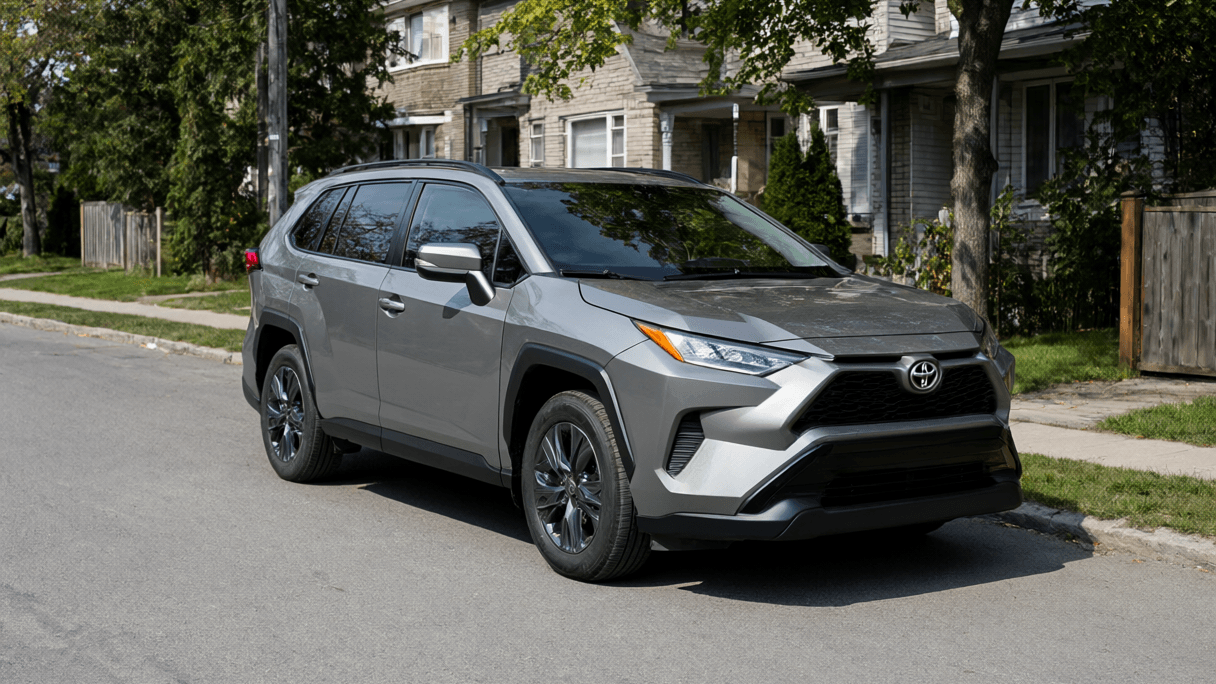
AI-generated image · US National Wire
As federal investigators probe fatal crashes involving Comma.ai's driver assistance tech, the company's open-source model raises questions about accountability in high-risk software deployment.
In the world of health tech and biotech, we often see a tension between rapid iteration and rigorous validation. A similar, more dangerous tension is currently playing out in the automotive sector with Comma.ai. The startup, founded by George Hotz, promotes an open-source ethos through its "openpilot" software, designed to automate steering, braking, and acceleration. But as the company faces a federal investigation, the question is whether this open-source approach is a genuine innovation or a convenient way to distance the company from the consequences of unvalidated software.
As TechCrunch first reported, the National Highway Traffic Safety Administration’s Office of Defects Investigation (ODI) is currently investigating five reported crashes involving Comma.ai devices. Two of these crashes resulted in three deaths, and as many as 11 people were injured across four of the incidents. The ODI reports that the crashes involved devices failing to respond to or detect vehicles that were stopped or moving slowly in the same lane.
From my perspective, the most concerning aspect of this investigation is the role of "forked" software. TechCrunch reports that the ODI noted some crashes—including at least one fatal incident—may have involved modified versions of the original openpilot software. Specifically, a February 2026 crash in Ascension Parish, Louisiana, involved a 2022 Toyota RAV4 running "FrogPilot," which is a third-party fork of openpilot. In that incident, the vehicle struck an unoccupied Gonzales Police Department unit that had its emergency lights activated. Two passengers in the rear seat of the Toyota died.
By allowing the community to fork and modify its code, Comma.ai creates a layer of separation between its official product and the software actually controlling the vehicle. While open-source development can accelerate progress, in a high-stakes environment like a highway, it can function as a liability shield. If a crash is caused by a third-party modification, the original developer can point to the "fork" as the point of failure.
However, the core limitations of the technology appear to be known. TechCrunch notes that Comma.ai’s own website warns that the performance of openpilot's Adaptive Cruise Control can be impacted by non-moving vehicles in the same lane. Furthermore, the company states that openpilot is designed to be limited in the amount of acceleration and deceleration it can produce during abrupt braking maneuvers.
Despite these warnings, the gap between "making driving chill"—the goal stated on the company's website—and the reality of fatal collisions is stark. While Comma.ai warns drivers they must be capable of immediately retaking manual control, the federal investigation suggests the system's failure to detect stationary objects is a systemic issue, mirroring struggles faced by larger players like Ford and Tesla.
As of the reporting by TechCrunch, Comma.ai has not provided comment. George Hotz, who stepped away from day-to-day operations in 2022, has also not responded to requests for comment. Whether the open-source model is a tool for transparency or a strategy for avoiding accountability remains the central question as the ODI continues its probe.