
Nostalgia Isn't a Strategy: The Vikings' Desperate Gamble on Kirk Cousins

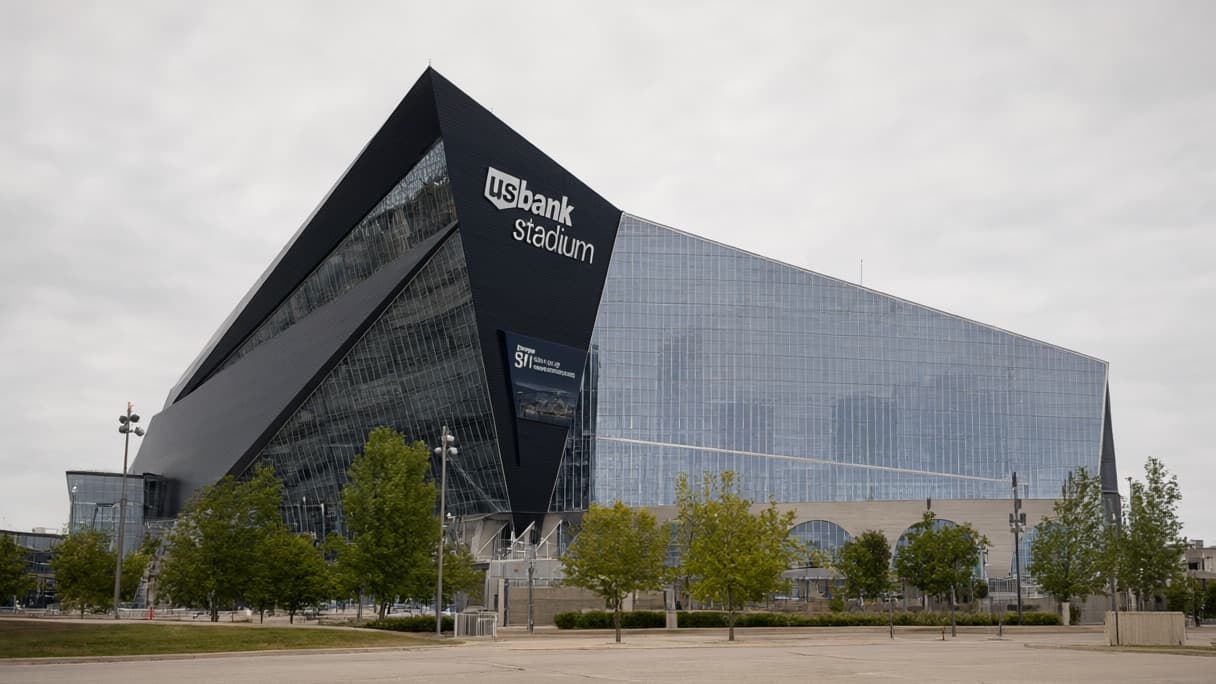
AI-generated image · US National Wire
Minnesota trades a 2027 third-round pick to reunite with a former signal-caller, but a familiar face doesn't fix a broken offensive identity.
The Minnesota Vikings are betting that a reunion can solve a crisis. On Tuesday, November 10, 2026, the Vikings acquired quarterback Kirk Cousins from the Las Vegas Raiders in exchange for a 2027 third-round NFL Draft pick, according to reporting from CBS Sports and The Guardian.
On the surface, the move looks like a rescue mission. The 6-2 Vikings have recently stumbled, losing consecutive games while fielding a defense that CBS Sports describes as arguably the best in the league. The desperation reached a breaking point Monday night during a loss to the Buffalo Bills, where Carson Wentz struggled through an 8-for-25 performance with two interceptions.
But let's be clear: this isn't a masterstroke. It is a gamble on nostalgia.
Cousins is a familiar entity in Minnesota, having spent six seasons with the team. During that initial tenure, he posted a 50-37-1 record, throwing 171 touchdowns and 55 interceptions. However, the ghosts of that era remain. Despite the regular-season success, Cousins struggled in the postseason, going 1-2 across three playoff games. Returning to the purple and gold doesn't erase that history; it merely reinstates a ceiling that the Vikings have already hit.
Furthermore, the version of Cousins returning to Minnesota is a far cry from his prime. After leaving Minnesota via free agency to join the Atlanta Falcons on a four-year, $180 million contract, Cousins saw his stock plummet. CBS Sports reports that he led the NFL in interceptions during the 2024 season and spent the start of 2025 as a backup to Michael Penix Jr. While he has performed adequately for the Raiders this season—starting nine games with a 4-5 record, 20 touchdowns, and eight interceptions—his efficiency is modest. He is completing 64.1% of his passes at 7.4 yards per attempt.
The Vikings' decision to pivot back to Cousins is a reaction to an absolute collapse at the quarterback position. This season, the team has cycled through Carson Wentz, Kyler Murray, and Max Brosmer. According to CBS Sports, that trio combined for a dismal 60.9% completion rate and a mere 6.4 yards per attempt over eight games, totaling eight touchdowns and five interceptions.
This incompetence has created a ripple effect across the roster. Justin Jefferson, widely regarded as one of the league's premier receivers, has been marginalized, recording only 31 catches for 393 yards and four touchdowns on 51 targets. Similarly, deep threat Jordan Addison has been wasted, managing just 18 catches for 277 yards and one score. Because the opposing defenses have no reason to fear the passing game, the Vikings' rushing attack has been rendered ineffective.
By trading for Cousins, Minnesota is hoping for stability, but they are ignoring the fundamental flaw: they are relying on a veteran whose trajectory has been downward for years to ignite an offense that has forgotten how to function. They have already shown a lack of commitment to the future at this position, having traded quarterback JJ McCarthy to the New York Giants on September 27 for a 2027 fifth-round pick, as reported by The Guardian.
For the Las Vegas Raiders, the trade is a clear signal that the era of Fernando Mendoza has arrived. The No. 1 overall pick in the 2026 NFL Draft, who has one career completion of 6-of-8 for 48 yards against the New England Patriots, now takes the reins. While Mendoza possesses a stronger arm and more mobility than Cousins, he enters a precarious situation with an ineffective run game, as noted by CBS Sports.
Ultimately, the Vikings are treating Kirk Cousins as a plug-and-play solution for a systemic failure. They are sacrificing a 2027 third-round pick to bring back a player they previously allowed to walk in 2023 after he tore his Achilles. In their desperation to avoid wasting an elite defense, Minnesota has chosen the comfort of the past over a sustainable future. Nostalgia might provide a temporary spark, but it rarely wins championships.