
Musk's 'Kabuki Dance': Independent Committees Form to Vet Tesla-SpaceX Merger
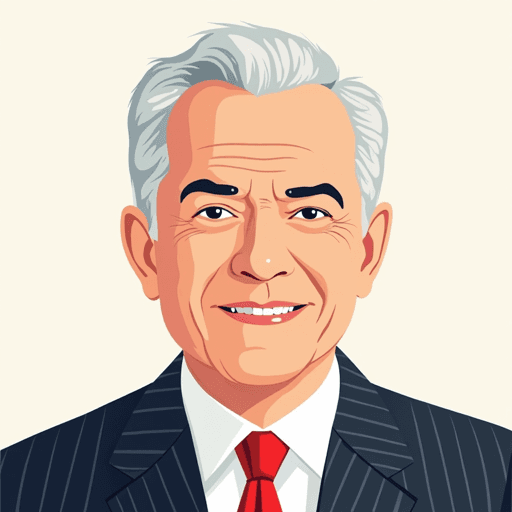
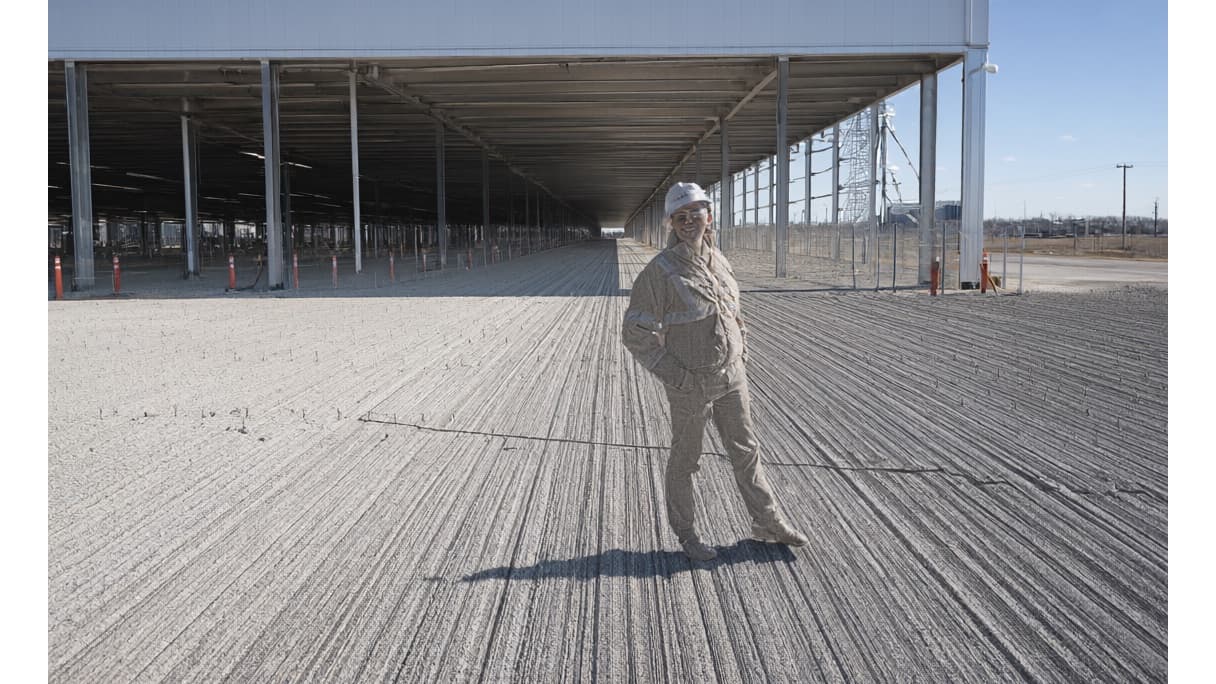
AI-generated image · US National Wire · Based on a photo by Steve Jurvetson from Menlo Park, USA (CC BY 2.0, Wikimedia Commons)
The creation of separate director committees to review a potential combination suggests a calculated effort to insulate the deal from fiduciary challenges and Musk's own conflicting interests.
Elon Musk has confirmed that the boards of Tesla and SpaceX have established special committees composed of independent directors to evaluate a potential merger between the two companies. Speaking during SpaceX’s third-quarter earnings call, Musk described the process as a "kabuki dance," noting that he is barred from these discussions because he is a "conflicted party" as the CEO and largest individual shareholder of both entities.
**The Governance Shield**
From a deals perspective, the formation of these committees appears to be a strategic move to insulate the transaction from inevitable fiduciary litigation. By removing Musk from the negotiation table, the boards are attempting to create a layer of independence to justify the deal's fairness to shareholders.
As detailed by TechCrunch, the independent members of Tesla's board comprise chair Robyn Denholm, Ira Ehrenpreis, Joe Gebbia, Jack Hartung, James Murdoch, Kathleen Wilson-Thompson, and former CTO JB Straubel. Among the independent directors at SpaceX are Roelef Boutha, Luke Nosek, Steve Jurvetson, Donald Harrison, Randy Glein, and Ehrenpreis. Notably, Antonio Garcias, who leads Valor Equity Partners, is a SpaceX board member but is not considered independent, as his firm holds a 3.4% stake in the company and has financed AI hardware through leaseback arrangements.
**The Valuation and Approval Hurdle**
While Musk views the merger as a "good idea" to accelerate cooperation on robotics, chip manufacturing via the Terafab project, and the Starmind orbital AI data center, the path to closing is fraught.
As reported by The Verge, a combination could create a mega-entity valued at over $3.6 trillion. However, the structural execution remains unclear. Analysts cited by The Verge suggest SpaceX would likely acquire Tesla or absorb it through a stock swap, given that SpaceX has maintained a higher valuation since its IPO.
Musk highlighted a significant regulatory and shareholder hurdle at Tesla: the deal would require a 50% vote of all outstanding shares, not just those present for the vote. Conversely, TechCrunch reports that Musk’s grip on SpaceX is firmer, with more than 50% voting power, making approval from that side significantly easier.
**Timeline and Strategic Rationale**
Musk maintains that the merger is not a certainty and that the special committees have yet to agree on any terms. Despite this, a client note from Barclays suggests a potential announcement could arrive before Tesla’s annual shareholder meeting on December 3, 2026.
*Opinion: The insistence on independent committees is a transparent attempt to mitigate the volatility associated with Musk's leadership. Given the history of shareholder disputes—including the Delaware judge's previous rejection of Musk's pay package due to a lack of independence—these committees are less about organic collaboration and more about building a legal fortress around the deal.*