
More Than a Novelty: The WPBL as a Blueprint for Professional Women's Sports

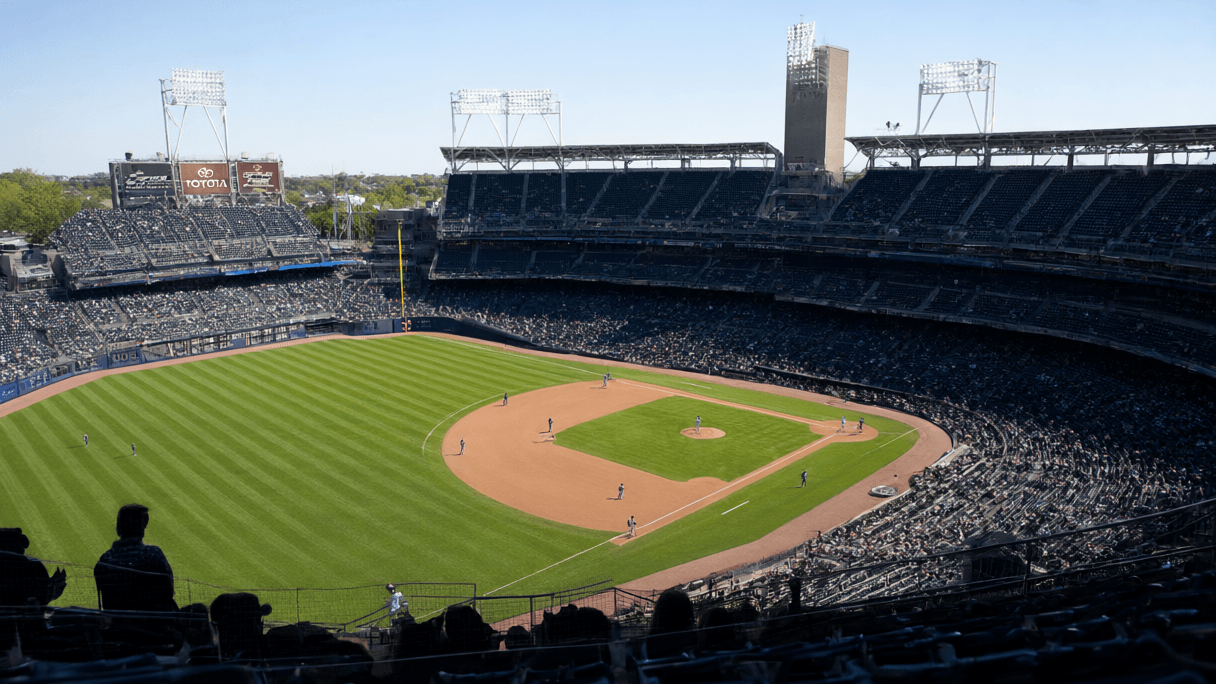
AI-generated image · US National Wire
Opinion: The Women’s Pro Baseball League's inaugural season proves that niche professional structures can support female athletes, even when the infrastructure is scrappy.
As a columnist who tracks the grueling four-year cycles of the Olympics, I have seen how female athletes are often funneled into a binary: the collegiate pipeline or the Olympic stage. But the debut of the Women’s Pro Baseball League (WPBL) suggests a third path. While some might view a short-season league as a novelty, the WPBL is actually a critical litmus test for whether niche professional structures can sustain women athletes outside traditional systems.
As first reported by The Guardian, the league operated with a distinct, grassroots scrappiness. The inaugural eight-week season, played entirely in Springfield, Illinois, featured four teams: the New York Heights, the LA Queens, the Boston Hunters, and the San Francisco Firebells. These cities were chosen for their sports fandom and market value, yet the reality on the ground was far from a polished corporate machine. It was a world where broadcast producers consulted on merchandise and catchers served as assistant coaches.
This lack of polished infrastructure is precisely why the WPBL is so significant. It demonstrates that the hunger for professional play outweighs the need for a perfect corporate setup. We saw this in the leadership of New York Heights manager Rocky Henley, who, as reported by The Guardian, sketched plays on large posters at her dining room table while her son, Jackson, watched her work. Henley’s commitment extended beyond the X's and O's; she used green and pink Post-it notes on players' lockers to provide mantras like "stamina" and "fortitude," as well as personality-driven adjectives like "comical" or "ridiculous."
Furthermore, the WPBL provided a professional home for athletes who have historically been marginalized. The Guardian highlights the experience of 18-year-old LA Queens player Addisyn Baird, whose father, Travis, was once removed as a youth coach simply for allowing her to play with boys. For Baird, who balanced her professional season with AP Psychology assignments for the Hill School in Pennsylvania, the league represents a shift from being the "only girl" to being part of a collective.
The league's ability to attract talent from 11 different countries—including players like Ticara Geldenhuis, who traveled from near Sydney, Australia—proves that the demand for a professional baseball outlet is global. Whether it was players practicing at the local YMCA or spending their off-hours singing karaoke in Springfield, the athletes were not just playing a game; they were validating a professional model.
If the WPBL can survive and grow, it proves that women's sports do not need to rely solely on the Olympic cycle or collegiate structures to be viable. The WPBL is a testament to the fact that when you provide the field—even if that field is in a small Illinois town—the talent will arrive. The question now is whether the sports world will continue to treat these niche professional structures as experiments, or if they will finally be recognized as the essential career paths they are.