
Human Emissions Reversed 2,000 Years of Glacial Growth

AI-generated image · US National Wire
New research on Canada's Barnes Ice Cap suggests carbon pollution halted a pending glaciation period in a geological blink of an eye.
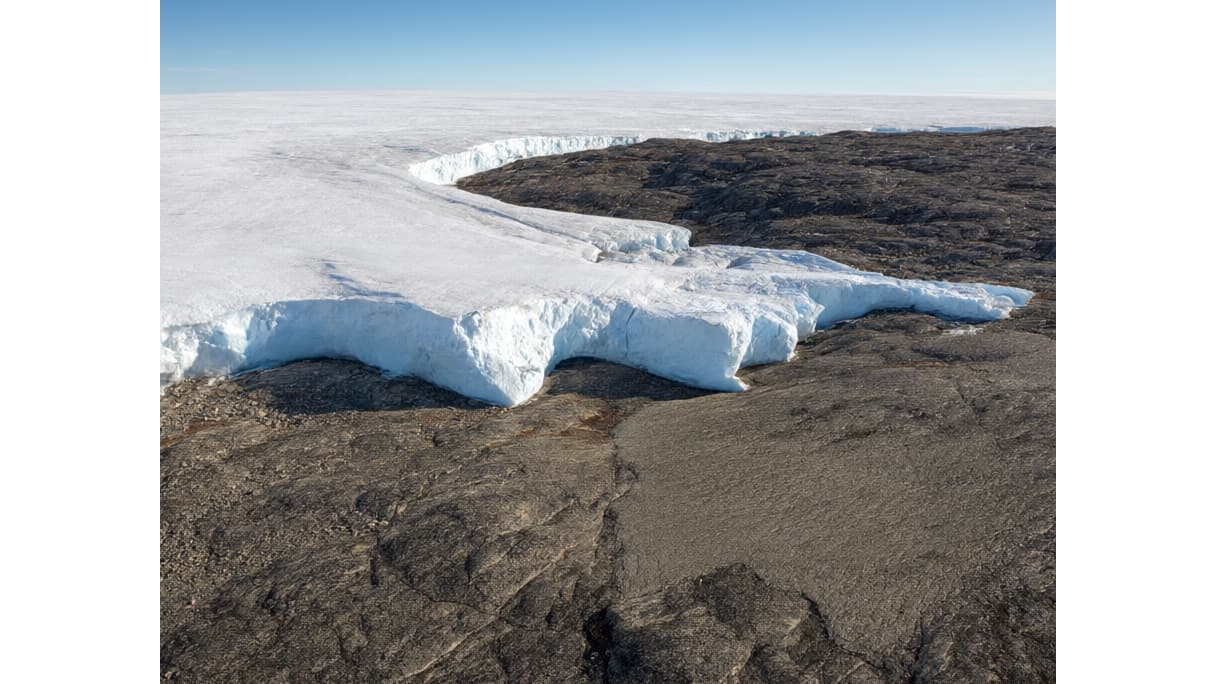
A new study published in the journal *Science* indicates that human-driven carbon pollution may have stopped the Earth from entering another ice age, as *Wired* first reported. Researchers analyzed the Barnes Ice Cap on Canada’s Baffin Island to track the growth and sudden retreat of the ice.
Using exposure dating with Beryllium-10, the team determined the ice sheet first reached its modern size approximately 3,600 years ago. By analyzing preserved mosses and lichen, lead author Nicolás Young, a paleoclimatologist at the Lamont-Doherty Earth Observatory at Columbia University, estimated that the glacier began growing again around 2,000 years ago, potentially signaling the start of a new glaciation period.
However, this natural cycle was abruptly interrupted. *Wired* reports that aerial photography shows the ice cap began shrinking in the 1960s, coinciding with a ramp-up in carbon emissions. Since the 1980s, the edges of the Barnes Ice Cap have retreated by an average of 4 meters per year.
Andrew Wickert, an associate professor of environmental science at the University of Minnesota Twin Cities, noted that the data shows enough damage was done to cause the North American ice sheet to retreat even as emissions were just beginning to ramp up. Young stated that this modern retreat has reversed 2,000 years of net expansion. Additionally, Young suggests these findings validate a hypothesis from a 1970s Brown University meeting where scientists warned President Richard Nixon that a glaciation period was imminent.