
Gut Metabolite ImP Linked to Alzheimer's Progression

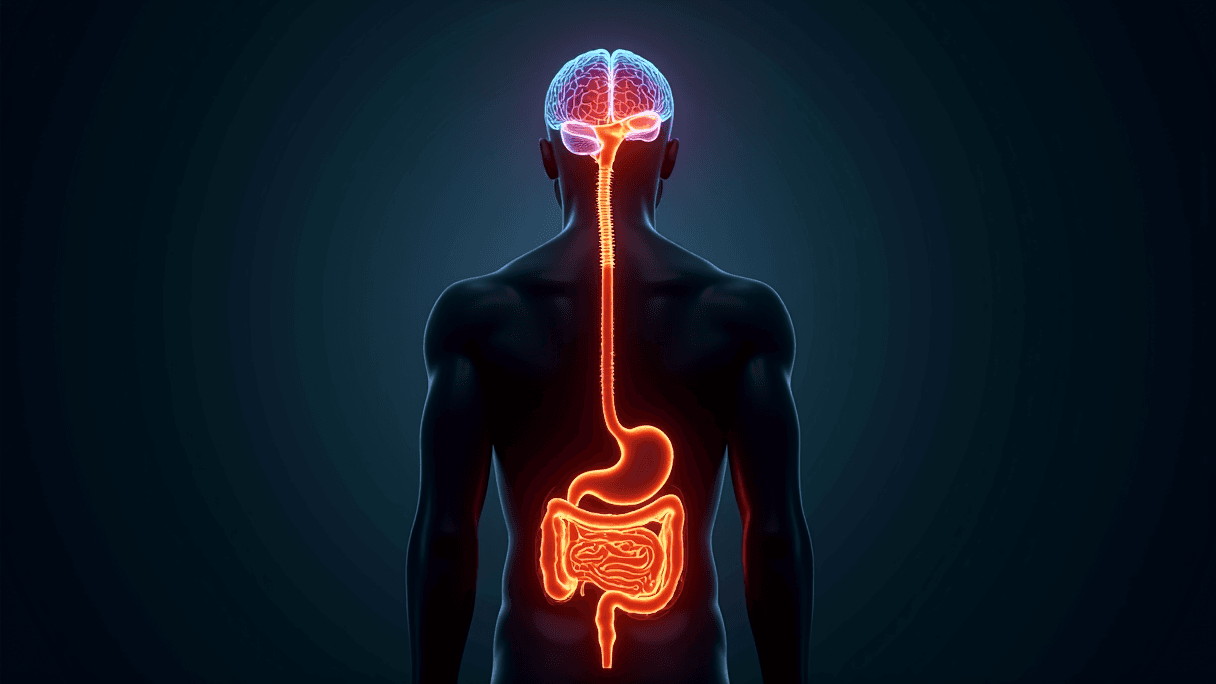
AI-generated image · US National Wire
Researchers identify a bacterial compound that weakens the blood-brain barrier and exacerbates key disease hallmarks.
A study published in *Nature Communications* has identified a specific metabolite produced by gut bacteria that may serve as a link to Alzheimer's disease, according to reporting from Wired.
Researchers focused on imidazole propionate (ImP), a compound created when certain bacteria metabolize the amino acid histidine. The study suggests that ImP enters the bloodstream and weakens the blood-brain barrier. Once inside the brain, the metabolite interacts with neurons and exacerbates two primary biological hallmarks of Alzheimer's: the accumulation of amyloid beta plaques and the phosphorylation of tau proteins.
To validate these findings, scientists analyzed the blood of 1,196 cognitively healthy adults with an average age of 61.2 years. Wired reports that individuals with higher ImP levels performed worse on cognitive tests and exhibited higher levels of NfL (a protein linked to neuronal damage) and pTau-217, a known Alzheimer's biomarker. Furthermore, those with the highest ImP levels showed faster cognitive decline over time.
Experimental data from genetically modified mice supported these results; administering ImP for several months increased amyloid beta plaques and worsened tau abnormalities and astrocyte reactions.
Federico Rey, a professor of bacteriology at the University of Wisconsin and study coauthor, noted that while ImP-producing bacteria are present in many healthy people, they do not need to be abundant to impact the host. Factors including genetics, sex, age, and diet influence the concentration of ImP in the blood. While the researchers caution against simply eliminating the bacteria, they suggest that developing an inhibitor to reduce blood concentrations of ImP could potentially reduce disease risk.