
Germany's AI Ambitions Clash With Waste Heat Realities

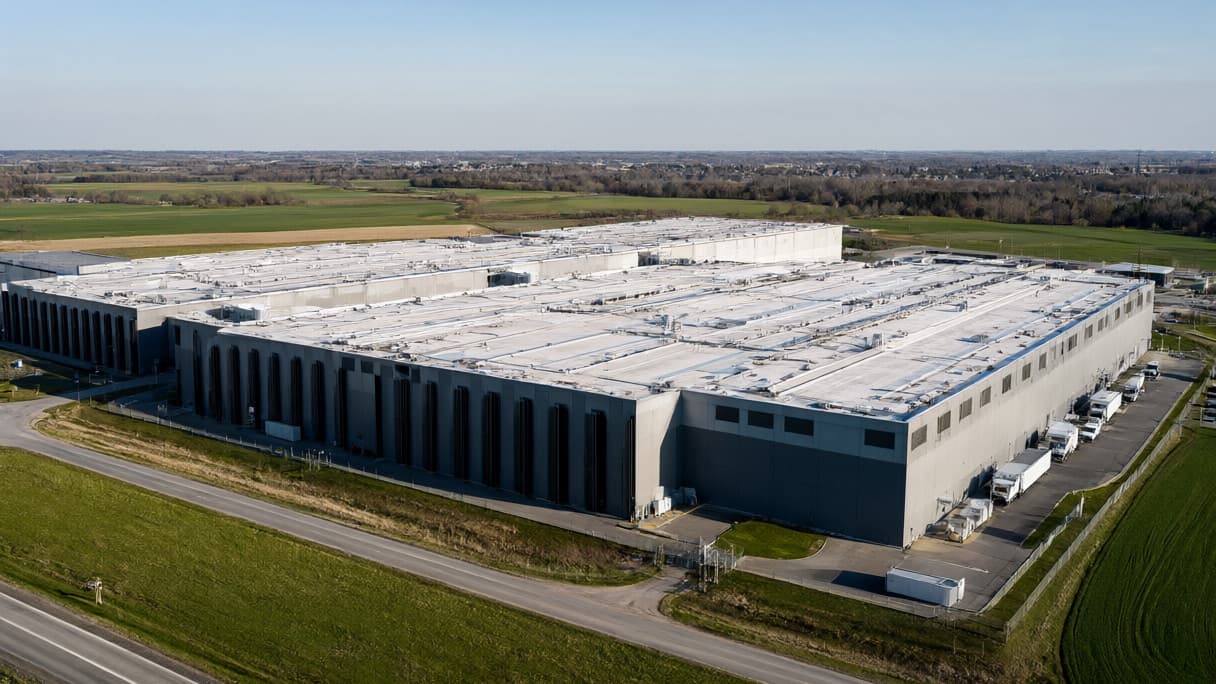
AI-generated image · US National Wire
A pivot in energy efficiency rules reveals a deeper friction: the gap between climate mandates and the urban infrastructure needed to actually deploy them.
The push to scale artificial intelligence is colliding with climate commitments in Europe, and Germany has become the primary testing ground for this friction. As Wired first reported, the German government aims to double its data center fleet and quadruple its AI compute capacity by 2030 to reduce reliance on the U.S. and stimulate its economy, but the physical reality of integrating these facilities into urban grids is proving difficult.
According to reporting from Wired, the central conflict stems from the 2023 Energy Efficiency Act. The original legislation required new data centers to recycle a portion of their waste heat, ideally channeling it into municipal heating systems. Patrick Graichen, a former senior official at Germany’s Ministry for Economic Affairs and Energy, told Wired that the concept was a "no-brainer" because data centers provide a source of clean heat.
However, the industry pushed back, claiming the mandate created an impossible burden. The German Data Center Association described an early version of the bill as a "data center prevention act." Barbara Smitten, associate director for critical systems at consulting firm Cundall, told Wired that developers felt the burden was placed entirely on them, even when no available offtake—such as greenhouse agriculture or municipal heating systems—existed.
This regulatory tension has had tangible effects on deployment. Wired reports that multiple projects have collapsed in the last 18 months, including a $3 billion facility in Hesse canceled by Stack Infrastructure. Additionally, the state-owned Komm.ONE pulled out of a project in Baden-Württemberg, pointing to the requirements of the Energy Efficiency Act as the reason.
In response, the German federal government walked back the rules in June. Under an amended bill awaiting parliamentary ratification, operators are no longer obligated to reuse waste heat; they must only scope out the possibility. Katherina Reiche, federal minister for economic affairs and energy, stated that these practical rules create conditions for economic growth and digital sovereignty. Smitten noted that this change reduces the risk of the German market appearing unattractive to developers.
Critics argue this is a surrender of climate goals. Graichen has accused the government of sacrificing targets to ride the AI wave, arguing that the availability of heat offtake should simply be a default criterion for site selection. John Booth, managing director at IT consultancy Carbon3IT, told Wired there is no technical reason why waste heat cannot be used, attributing the failure to a lack of organizational will.
Despite the regulatory easing, public resistance remains. Wired reports that in February, a small German town's city council blocked a $2.5 billion data center development due, in part, to climate concerns. Graichen warns that the shift in public attitude toward data centers seen in the U.S. is now happening in Europe.